

Tesla AI chief says physical robot safety harder than AI safety


- Tesla AI chief Ashok Elluswamy clarified viral Optimus combat moves were remote-controlled
- Elluswamy warned physical robot safety is a bigger challenge than large-model AI safety
- Musk agreed, noting initial Optimus production will be extremely slow
- About 7,000 humanoids sold globally in 2025, mostly for research not commercial work
- TSLA shares rose 1.63% to $370.20 in pre-market trading

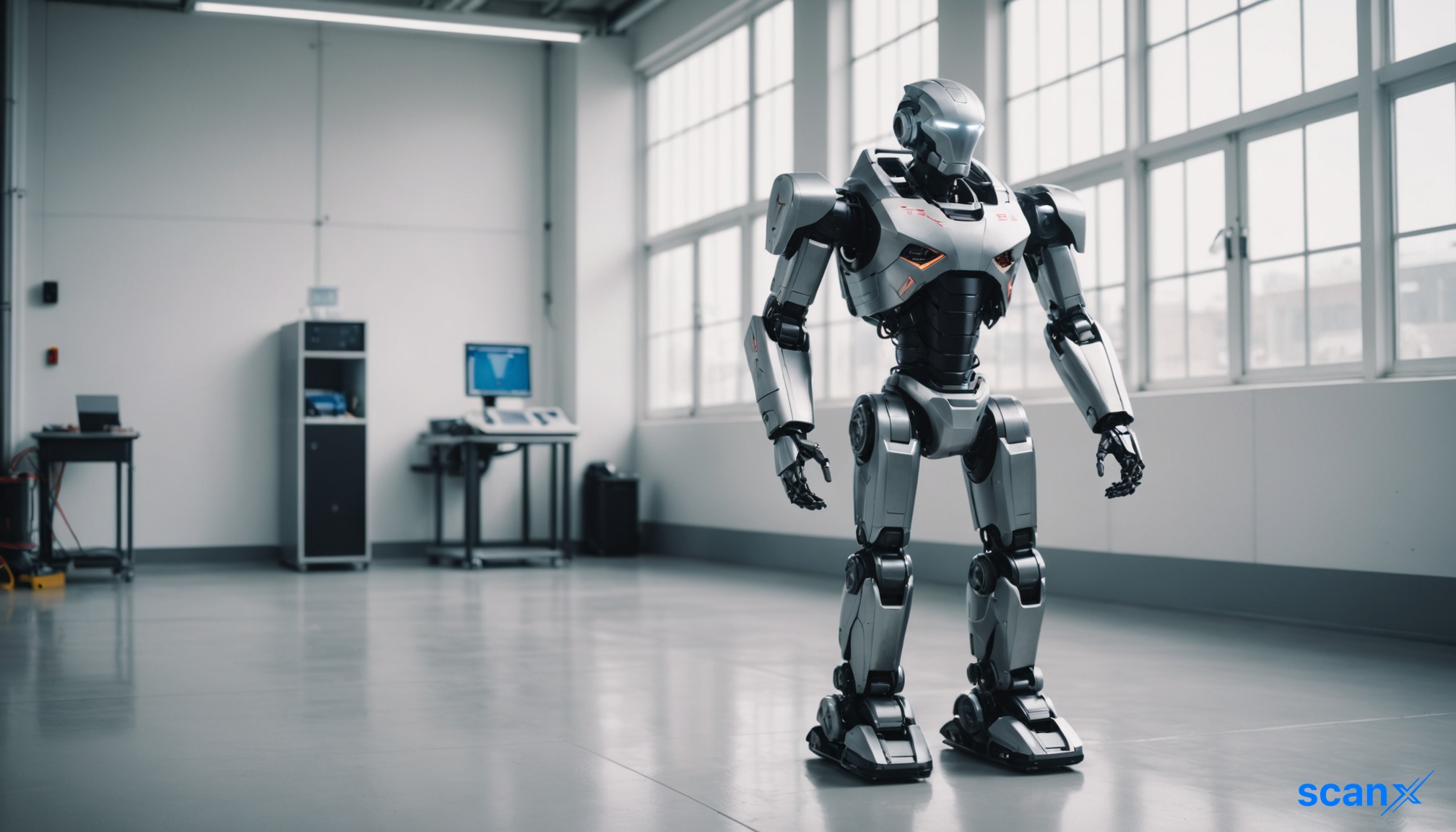

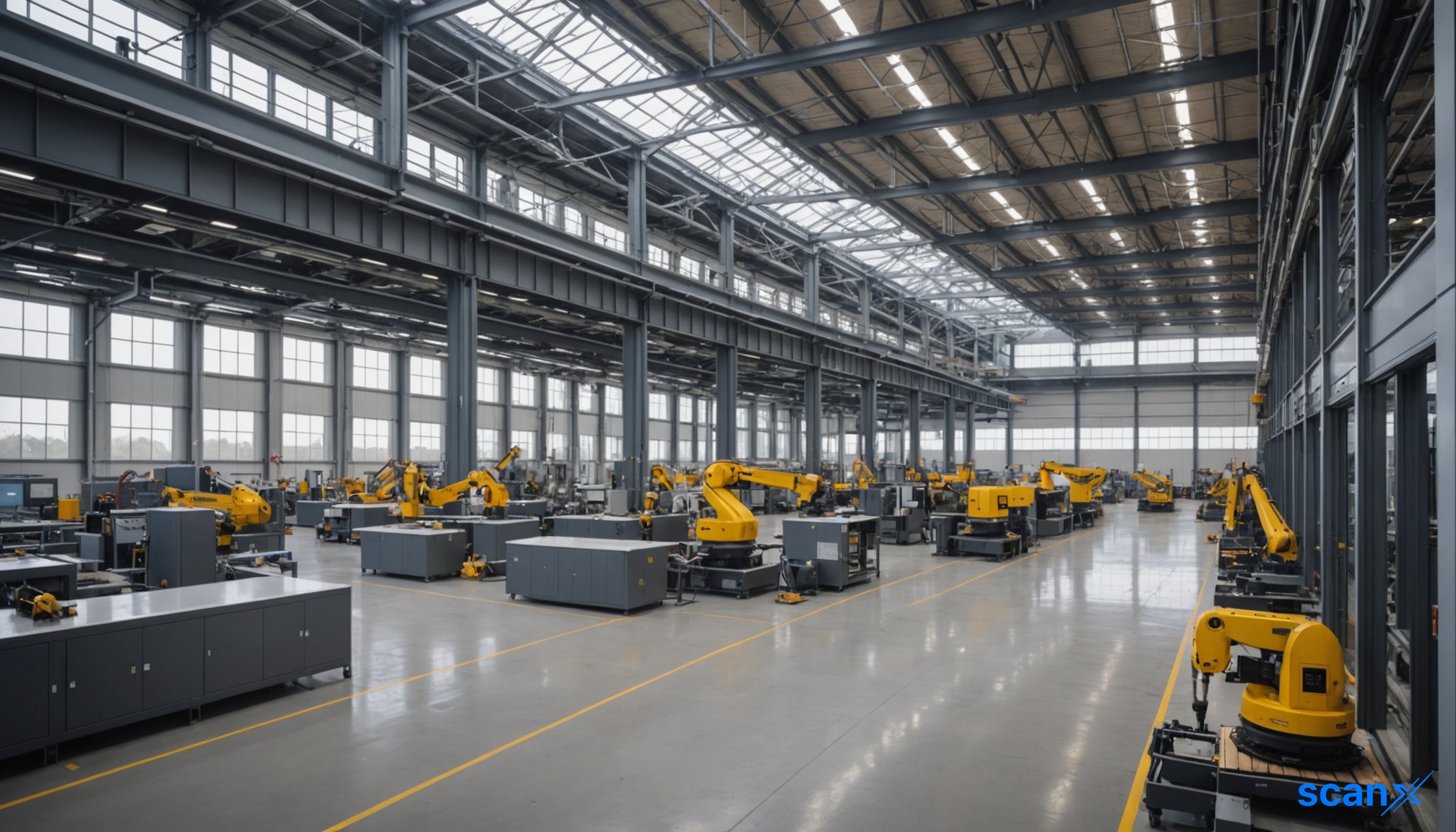
*this image is generated using AI for illustrative purposes only.
Tesla Inc. (NASDAQ: TSLA) AI chief Ashok Elluswamy warned that ensuring safety for physical robots presents a significantly greater challenge than safeguarding large language models. He clarified that recent viral videos showing the company's humanoid robot performing combat moves were essentially remote-controlled.
Elluswamy Warns Physical AI Raises Stakes
Elluswamy stated on X that the robot blindly performed the moves while maintaining balance. He emphasized that AI safety for physical robots makes current large-model safeguards look like child's play. Elon Musk responded to the post with a "100" emoji, signaling agreement.
The distinction between teleoperation and autonomy is critical for Tesla's development roadmap. While teleoperation can produce impressive motion, the robot does not decide actions independently. Tesla describes its end goal for Optimus as a general-purpose, bipedal, autonomous humanoid robot capable of handling balance, navigation, perception, and interaction with the physical world.
Teleoperation Still Falls Short Of Autonomy
Musk previously highlighted this gap during Tesla's second-quarter earnings call. He noted that many impressive humanoid demonstrations online are pre-programmed or remote-controlled. No humanoid robot can yet perform generalized tasks on command without programming. The Q2 discussion underscored the challenge of turning Optimus into a genuinely general-purpose machine.
This limitation extends across the broader industry. Reuters reported that Chinese robots have demonstrated kung-fu-style moves but still struggle with dexterity and reliable autonomous factory work. The International Federation of Robotics stated that about 7,000 humanoids were sold globally in 2025. Most units are used for research and AI-data collection rather than productive commercial work.
Tesla Pushes Optimus Toward Commercial Scale
Despite these technical hurdles, Tesla is scaling its investment in the program. Elluswamy took responsibility for Optimus after program chief Milan Kovac left in June 2025. Tesla subsequently installed its first-generation Optimus production line in Fremont.
Elluswamy acknowledged that Optimus has "big shoes to fill." Musk cautioned that initial production will be "extremely slow," distinguishing the manufacturing process from standard car production. TSLA shares grew 1.63% to $370.20 during pre-market trading on Monday.
What the Numbers Show
The disparity between global sales volume and commercial utility highlights the sector's early-stage dependency on data collection. With only about 7,000 units sold globally in 2025, primarily for research, the market remains focused on generating training data rather than deploying autonomous labor. This suggests that near-term revenue from Optimus will likely be minimal compared to the capital expenditure required for scaling production lines like the one in Fremont.

How might the high capital expenditure required for Optimus production lines impact Tesla's near-term profitability margins compared to its automotive division?
What specific regulatory frameworks or liability standards are likely to emerge for autonomous physical robots, given the heightened safety risks identified by Elluswamy?
Could the transition from teleoperation to full autonomy create a bottleneck in Tesla's roadmap, potentially delaying commercial deployment beyond initial investor expectations?
 19
19



 Create Custom Screeners
  Access 200+ Pre-built Filters
  Use 50+ Readymade Screener





