

Tesla halts Solar Roof sales, pursues $10.1 billion Texas plant for 100 GW goal


- Tesla stopped selling Solar Roof tiles in August due to installation challenges
- Proposed $10.1 billion Project Crystal Sun plant in Texas seeks 9,700 jobs
- Company aims for 100 GW annual U.S. solar manufacturing capacity by 2028
- Musk cites AI power demand as key driver for solar and battery expansion

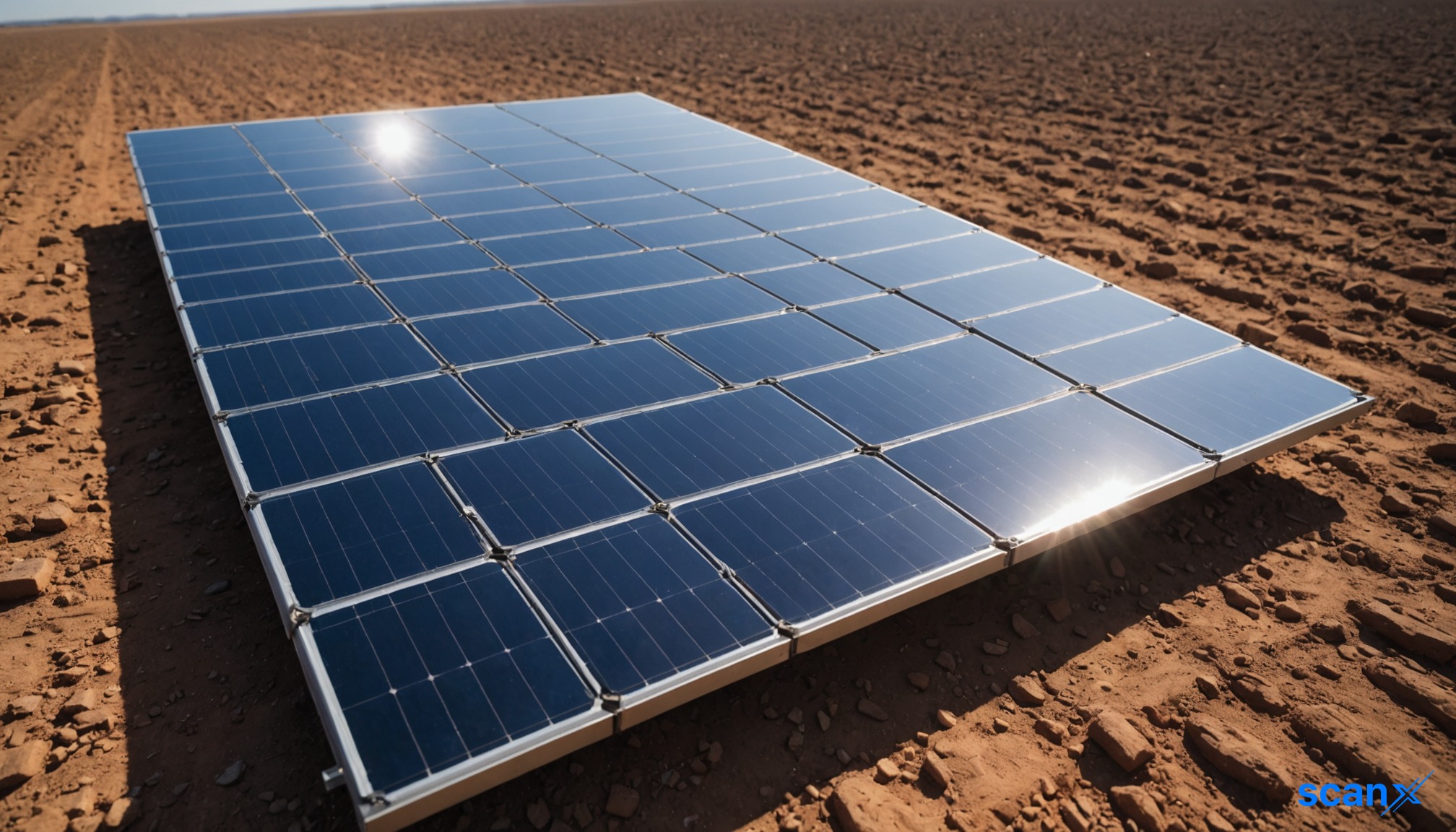

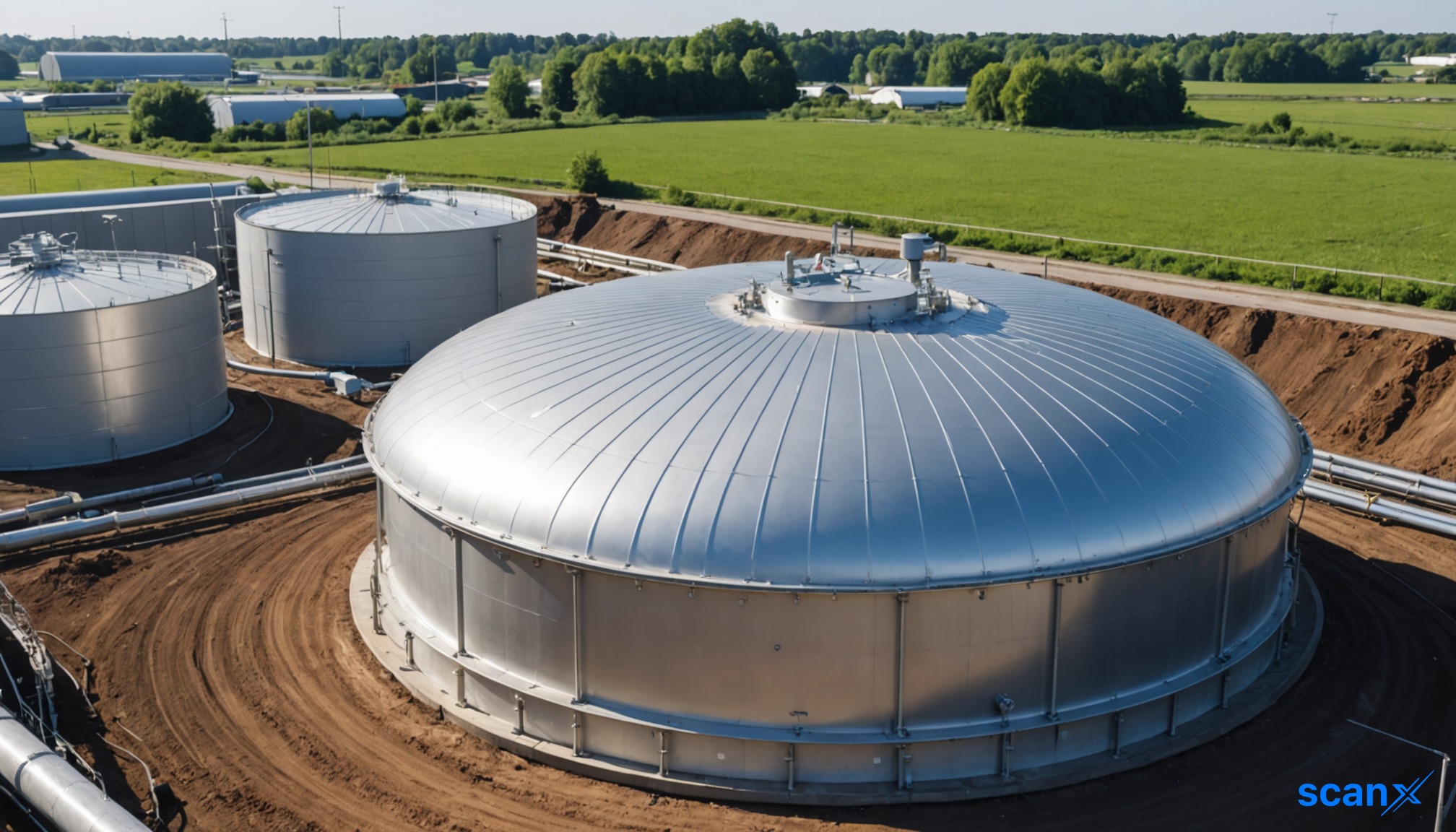
*this image is generated using AI for illustrative purposes only.
Tesla Inc (NASDAQ: TSLA) stopped selling its premium Solar Roof tiles in August, ending a nearly decade-long residential integration effort. The shift coincides with a push toward utility-scale manufacturing, including a proposed $10.1 billion facility in Texas.
Project Crystal Sun Details
The proposed Fort Bend County facility, dubbed Project Crystal Sun, involves about $1.5 billion in real property and $8.6 billion in equipment. Tesla estimates nearly 9,700 permanent jobs once operational. The company is seeking Texas tax incentives and evaluating multiple U.S. locations, meaning the project is not yet a guaranteed build.
Lamar Consolidated Independent School District was preparing to vote on the proposed tax arrangement as of Tuesday. The Fort Bend site is reportedly one of two locations Tesla is considering. While the filing does not disclose annual production capacity, the project covers the supply chain from ingots and wafers through cells and modules.
| Component | Value | Note |
|---|---|---|
| Real Property | $1.5 billion | Land and infrastructure |
| Equipment | $8.6 billion | Manufacturing machinery |
| Total Investment | $10.1 billion | Project Crystal Sun |
| Estimated Jobs | 9,700 | Permanent positions |
Strategic Shift from Residential to Scale
Tesla’s website now directs customers toward conventional solar panels instead of the discontinued roof tiles. Reuters reported that technological and installation challenges limited adoption of the premium product.
This pivot underscores a move from consumer-facing hardware to manufacturing scale. Tesla aims to deploy 100 GW of solar manufacturing in the U.S. by the end of 2028, according to a company job posting reported by Reuters. Elon Musk originally outlined this ambition at Davos in January, stating that both Tesla and Space Exploration Technologies Corp (NASDAQ: SPCX) are working toward 100 GW a year of U.S. solar production each.
The scale is significant against current benchmarks. U.S. solar module manufacturing capacity was estimated at just over 45 GW entering 2026, according to pv magazine, although additional capacity was under development.
AI Power Demand Context
Musk argued at Davos that electrical power could become the limiting factor for AI deployment as chip production accelerates faster than new electricity generation. He specifically pointed to solar and batteries as a way to add large amounts of power.
Tesla’s July earnings commentary similarly highlighted rising electricity demand from transportation electrification and AI. SpaceX is also pursuing large-scale solar manufacturing plans tied to infrastructure ambitions beyond traditional terrestrial power.
What the Numbers Show
The divergence between Tesla’s discontinued residential product and its massive manufacturing ambition highlights a strategic concentration on utility-scale output. With U.S. module capacity at roughly 45 GW entering 2026, Tesla and SpaceX’s combined target of 200 GW annually represents a potential quadrupling of current national manufacturing throughput if achieved by 2028.

How will the potential quadrupling of U.S. solar manufacturing capacity by 2028 impact existing domestic module manufacturers and global supply chain dynamics?
What specific regulatory or infrastructure hurdles might prevent Tesla and SpaceX from achieving their combined 200 GW annual production target within the stated timeline?
Could the shift from residential Solar Roof to utility-scale manufacturing signal a broader industry trend away from integrated consumer hardware toward centralized energy generation?
 19
19











 Access Market Heat-map & Insights
  Create, Save & Share your Screener
  Use 200+ Screening Filters





