

NHTSA demands Tesla answer 21 Cybercab safety questions by Sept 30


- NHTSA demands Tesla answer 21 questions on Cybercab safety certification by September 30
- Probe focuses on missing driver controls and compliance with Federal Motor Vehicle Safety Standard No. 135
- Noncompliance risks civil penalties up to $139.35 million and criminal charges
- Tesla stock fell 0.67% to $356.58, down 20.71% year-to-date
- Analyst Gene Munster predicts 300 Cybercabs added to Austin fleet within a month


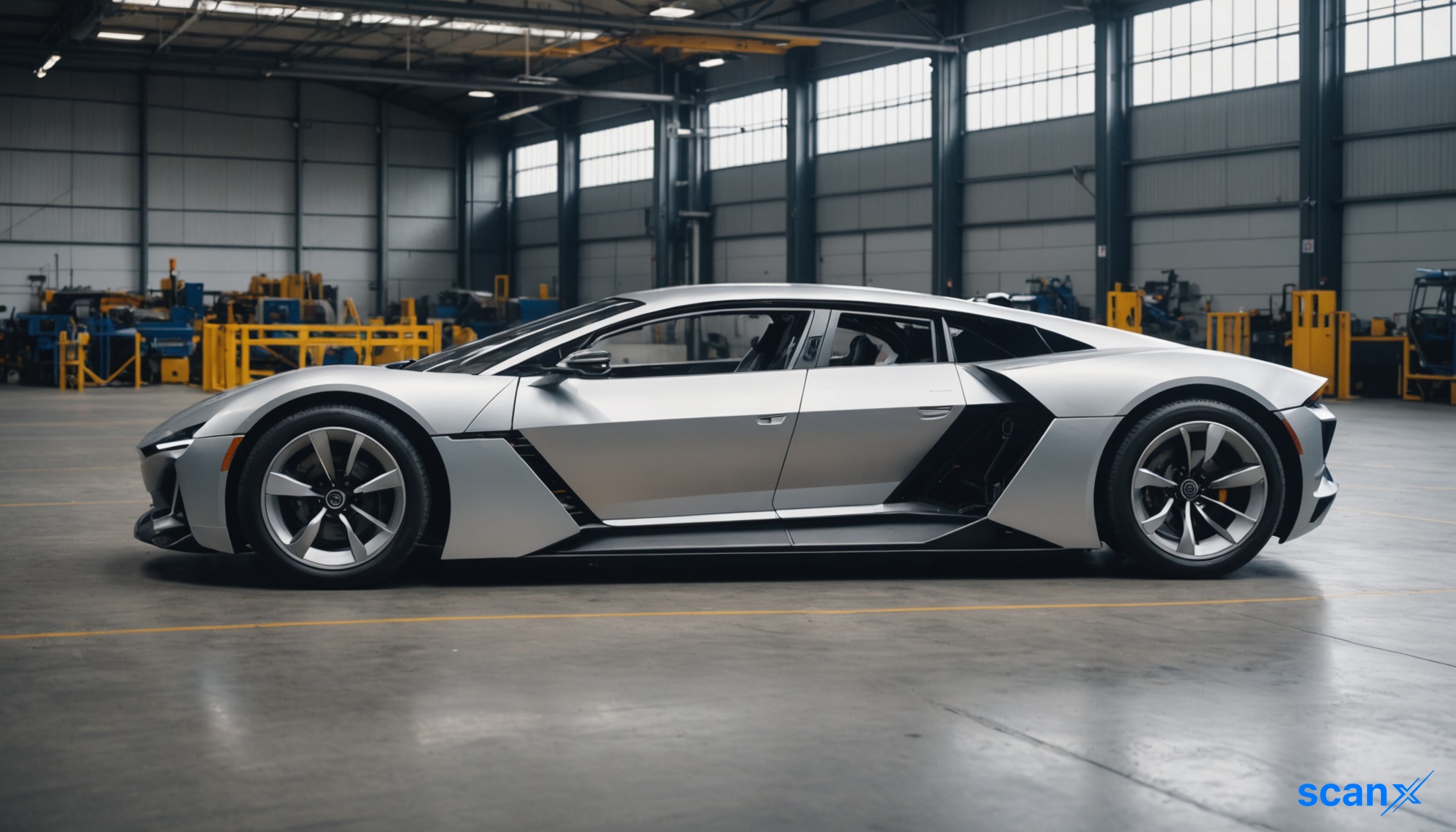
*this image is generated using AI for illustrative purposes only.
The US National Highway Traffic Safety Administration ordered Tesla Inc (NASDAQ: TSLA) to respond to 21 detailed questions regarding its Cybercab robotaxi self-certification by September 30.
NHTSA Chief Counsel Peter Simshauser issued the request under Audit Query AQ26002 on September 10, following the agency's opening of the audit on September 3 after Tesla began commercial deployment in Austin, Texas. Responses must be provided under oath by a Tesla officer.
Regulatory Scrutiny on Driver Controls
Noncompliance carries civil penalties up to $139.35 million and criminal penalties of up to 15 years in prison, or both, according to NHTSA. Regulators are examining whether temporarily installed human driver controls influenced Tesla’s compliance certification and how removing them aligns with federal “make inoperative” rules.
The agency also questioned whether touchscreen controls allow occupants to move the vehicle and how Tesla justifies compliance with Federal Motor Vehicle Safety Standard No. 135, which mandates service brakes activated by a foot pedal.
Missing Features Under Review
The order requires Tesla to detail the presence of mirrors, a self-canceling turn signal, and a shift-position display required under current standards. The two-seater vehicle lacks a steering wheel, brake pedal, and accelerator pedal.
This scrutiny coincides with efforts by Tesla and Alphabet Inc’s Waymo to push federal regulators to eliminate traditional driver-control requirements for autonomous vehicles entirely. The Trump administration has signaled support for this regulatory shift, while safety advocates argue exemptions should wait until robotaxi makers prove safety without human backups. Amazon.com Inc’s Zoox unit won a similar exemption in July.
Operational Challenges Amid Rollout
Tesla’s rollout faces operational hurdles alongside regulatory pressure. A rider reported a trip from 99 Ranch Market to The Domain in north Austin stretched to roughly 70 minutes after the Cybercab avoided highways. Deepwater Asset Management co-founder Gene Munster predicted Tesla could add roughly 300 Cybercabs to its Austin fleet within a month of launch.
Market Performance
Tesla has a market capitalization of $1.40 trillion. TSLA stock closed at $356.58 on Tuesday, down 0.67%. Shares have dropped 20.71% year-to-date. The stock has traded between a 52-week low of $297.38 and a high of $498.83.
| Metric | Value |
|---|---|
| Market Cap | $1.40 trillion |
| Current Price | $356.58 |
| YTD Change | -20.71% |
| 52-Week Low | $297.38 |
| 52-Week High | $498.83 |
What the Numbers Show
The juxtaposition of Tesla’s $1.40 trillion market valuation against a 20.71% year-to-date decline highlights significant investor caution despite aggressive expansion plans. While Gene Munster projects rapid fleet growth of roughly 300 units in Austin within a month, the immediate operational reality involves service disruptions, such as the reported 70-minute detour for a short trip, suggesting that scaling autonomous operations faces tangible execution risks beyond regulatory hurdles.

How might the outcome of Tesla's NHTSA audit influence the Trump administration's timeline for eliminating traditional driver-control requirements for autonomous vehicles?
What impact could potential civil penalties or forced design modifications have on Tesla's projected Q4 revenue and its $1.40 trillion market valuation?
Will Tesla's operational inefficiencies in Austin, such as excessive trip times, deter other major cities from approving similar Cybercab deployments in the near term?
 15
15




 Access 50+ Readymade Screeners
  Use 200+ Custom Filters
  Get Full Market Insights





