

Urban Company Q2FY27 Results: Net loss widens 208% YoY, revenue up 41%


- Net loss widened 208% YoY to ₹182.48 crore in Q2FY27
- Revenue from operations rose 41.4% YoY to ₹537.29 crore
- Adjusted EBITDA excluding InstaHelp turned positive at ₹30 crore
- Board approved raising up to ₹2,500 crore for strategic flexibility
- InstaHelp losses widened to ₹173.12 crore amid scale-up efforts

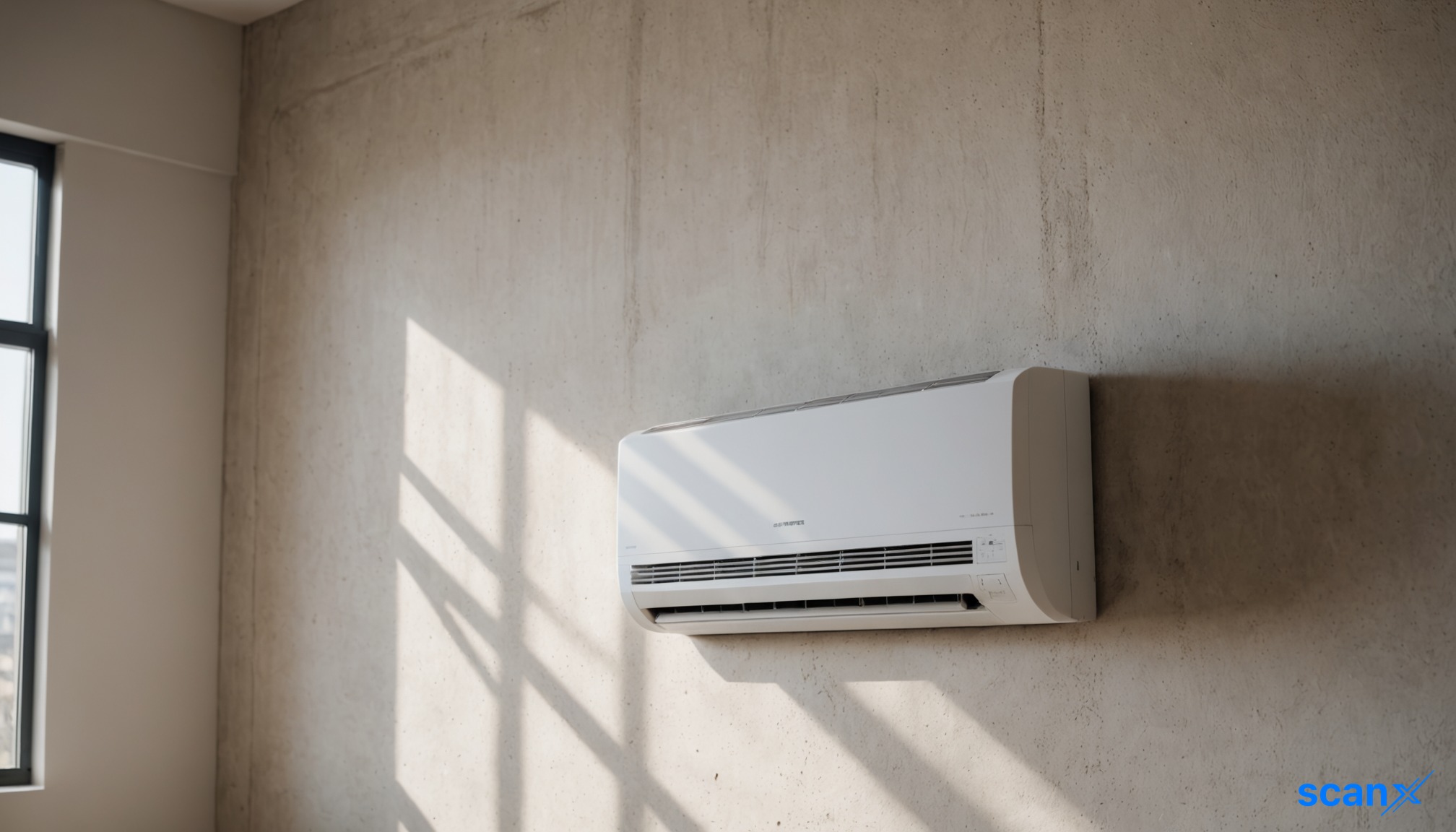

*this image is generated using AI for illustrative purposes only.
Urban Company reported a net loss of ₹182.48 crore for the quarter ended September 30, 2026 (Q2FY27), a significant widening from the ₹59.33 crore loss recorded in Q2FY26. Despite this bottom-line deterioration, revenue from operations grew 41.4% YoY to ₹537.29 crore, driven by strong performance in the India consumer services and International segments.
The company’s Board of Directors also approved a proposal to raise funds up to ₹2,500 crore through preferential allotment or private placement. This capital infusion is intended to support growth initiatives, including the in-principle approval to explore residential air conditioners as a new line of business under the Native segment.
Financial Performance Overview
The consolidated financial results highlight a divergence between top-line momentum and profitability pressures. While revenue expanded significantly, expenses outpaced income growth, leading to a substantial increase in losses. The company disclosed that Adjusted EBITDA excluding InstaHelp stood at ₹30 crore, up 213% YoY, indicating underlying operational leverage in the core business.
| Metric | Q2FY27 | Q2FY26 | YoY Change |
|---|---|---|---|
| Revenue from operations | ₹537.29 crore | ₹380.03 crore | +41.4% |
| Total Income | ₹578.45 crore | ₹412.66 crore | +40.2% |
| Total Expenses | ₹745.67 crore | ₹461.73 crore | +61.5% |
| Loss before tax | ₹175.29 crore | ₹59.33 crore | +195.4% |
| Net Loss | ₹182.48 crore | ₹59.33 crore | +207.6% |
| Basic EPS (₹) | (1.20) | (0.40) | N/A |
Segment Analysis
The India consumer services segment remained the largest contributor, with external customer revenue rising to ₹336.38 crore from ₹262.00 crore in Q2FY26. However, its segment result declined to ₹43.39 crore from ₹82.02 crore in the previous quarter, indicating margin compression despite volume growth. Management noted that Adjusted EBITDA for this segment improved to ₹34 crore (3.5% of NTV), reflecting a 110 bps YoY margin expansion driven by AI-enabled efficiencies.
The International business showed robust expansion, with revenue more than doubling to ₹75.00 crore from ₹41.19 crore YoY. The segment turned profitable at the operating level, posting a result of ₹5.74 crore compared to ₹0.43 crore in Q2FY26. Adjusted EBITDA margins expanded by 190 bps YoY to reach 2.0% of Net Transaction Value (NTV).
Conversely, the InstaHelp segment continued to weigh on consolidated results, reporting a loss of ₹173.12 crore in Q2FY27, up from a ₹42.91 crore loss in Q2FY26. This sharp increase reflects heavy investment in scaling this daily cleaning service category. Order volumes grew 63% QoQ to 6.2 million, while loss per order improved from ₹(346) to ₹(279) due to densification.
What the Numbers Show
A critical observation from the filing is the disproportionate impact of the InstaHelp segment on overall profitability. While consolidated revenue grew by ~41%, the net loss expanded by over 200%. This divergence is primarily driven by the InstaHelp segment, which accounted for ₹173.12 crore of the total consolidated segment loss of ₹131.94 crore (before unallocated items). Without InstaHelp’s losses, the core segments (India consumer services, Native, and International) collectively generated a positive segment result of ₹41.18 crore. This suggests that the company's underlying marketplace economics are improving, while the strategic bet on InstaHelp remains in a heavy investment phase.
Capital Raising and New Business Lines
The Board approved a proposal to issue equity shares or convertible securities for an aggregate amount not exceeding ₹2,500 crore. The issuance will be conducted via preferential allotment, private placement, or qualified institutions placement, subject to shareholder approval via postal ballot. As of September 30, 2026, the company held ₹1,901 crore in cash and treasury investments.
Additionally, the Board granted in-principle approval to explore residential air conditioners as a new line of business under the Native segment. The company cited existing service insights into product gaps as a rationale for this expansion. Commercial launch and related capital expenditure remain subject to further board evaluation.
Historical Stock Returns for Urban Company
| 1 Day | 5 Days | 1 Month | 6 Months | 1 Year | 5 Years |
|---|---|---|---|---|---|
| +2.47% | -1.33% | -0.06% | +16.09% | -3.70% | -5.22% |

How will the ₹2,500 crore capital raise impact Urban Company's shareholding structure and potential dilution for existing investors?
What is the projected timeline for InstaHelp to achieve breakeven, given its current loss per order and scaling trajectory?
How does the planned entry into residential air conditioners align with Urban Company's existing supply chain capabilities and competitive positioning?
 16
16









 Access 50+ Readymade Screeners
  Use 200+ Custom Filters
  Get Full Market Insights





