

Tesla Q2FY26 Results: Auto margins dip to 16.3%, record deliveries


- Automotive gross margins excluding credits fell to 16.3% from 19.2%, impacted by the absence of $230 million in Q1 benefits
- Net income boosted by $1 billion mark-to-market gain on SpaceX holdings, offsetting FX and Bitcoin losses
- Energy storage deployments rose 53% sequentially to 13.5 GWh, though margins dropped to 20.4%
- Capex expected to exceed $25 billion in 2026, supported by new $30 billion debt facilities
- Robotaxi fleet logged 380,000 unsupervised miles with zero notable incidents across seven US markets

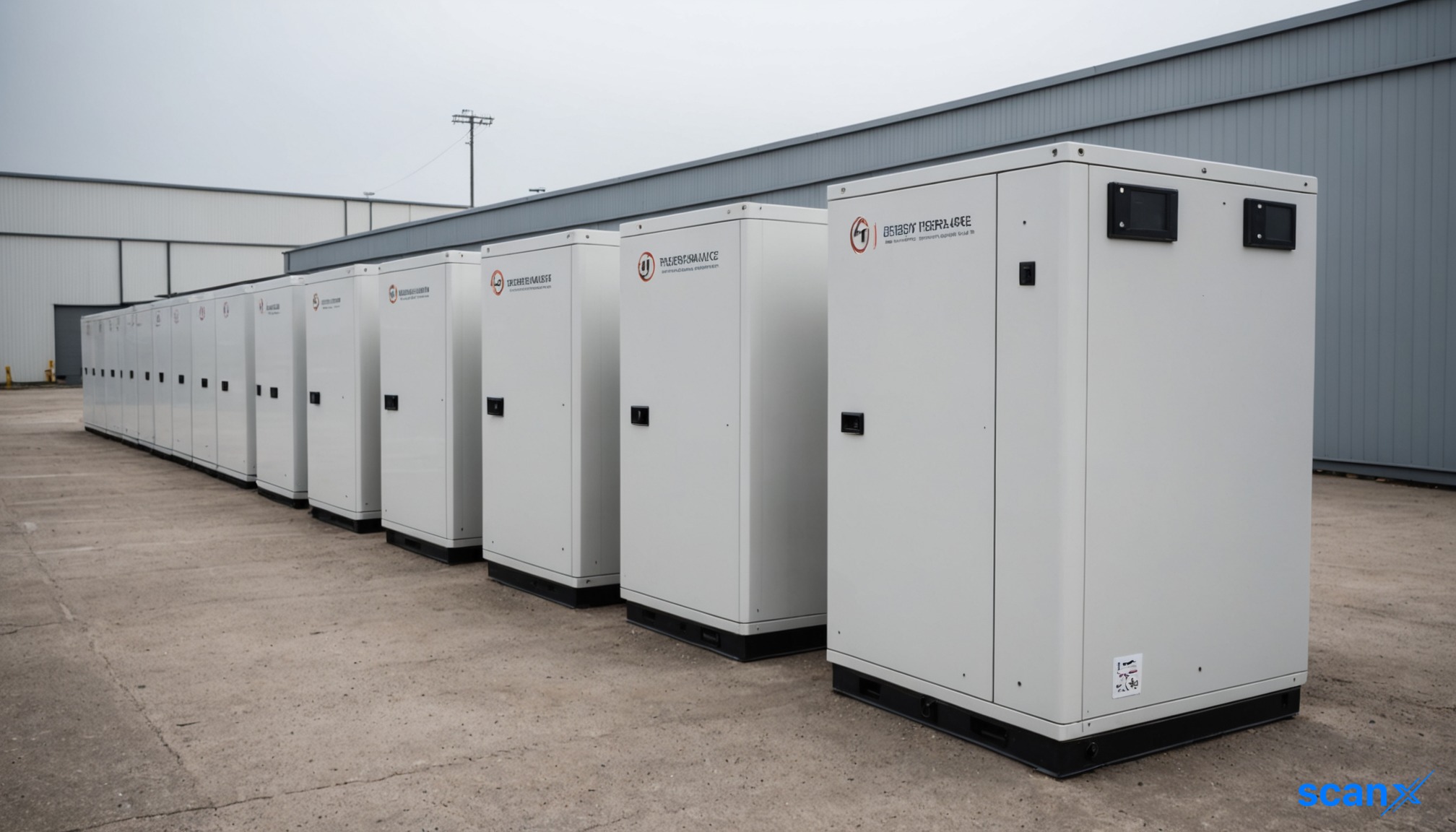

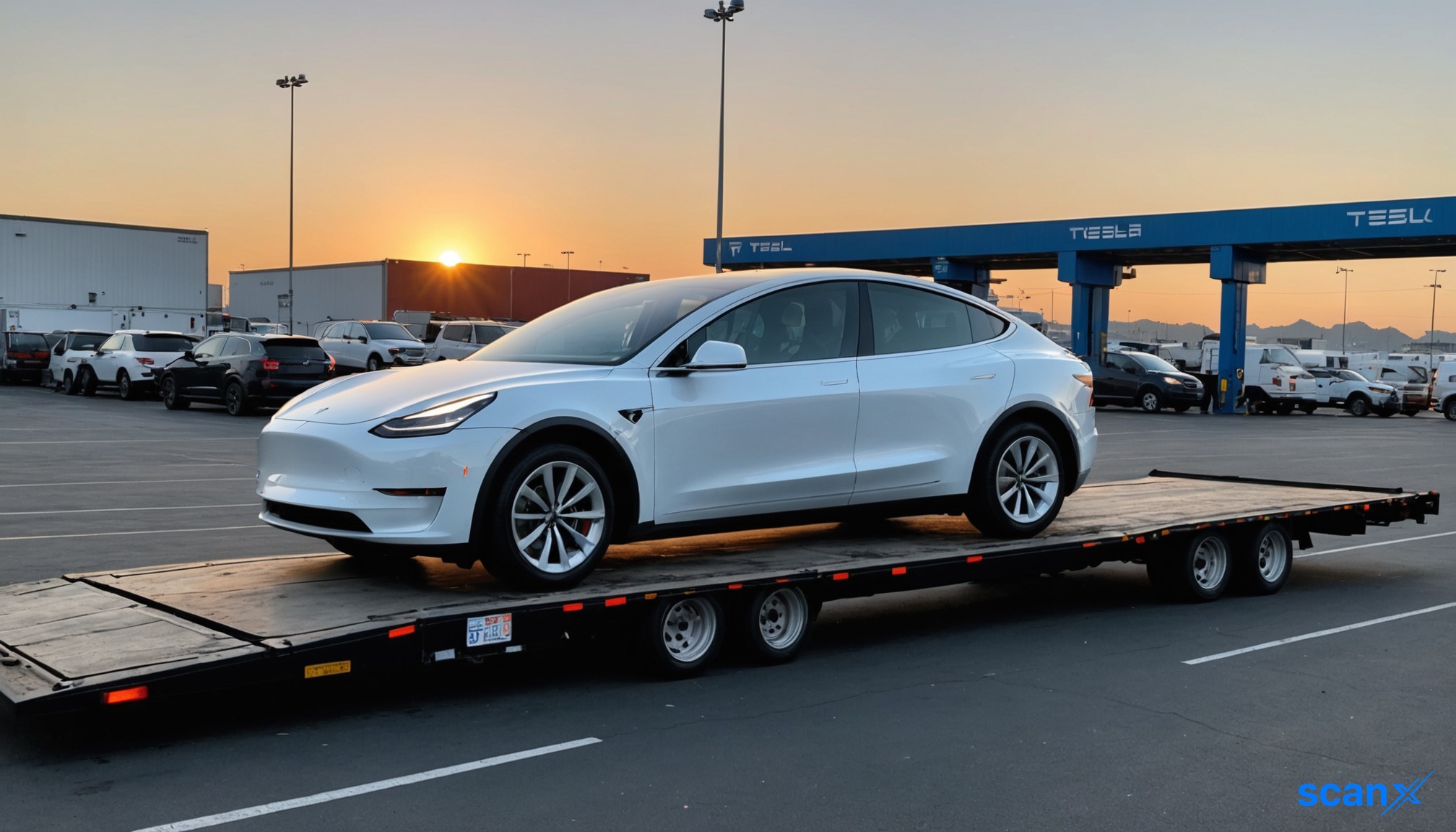
*this image is generated using AI for illustrative purposes only.
Tesla Inc (NASDAQ: TSLA) reported record second-quarter 2026 deliveries driven by strong Model Y demand, while automotive gross margins excluding regulatory credits declined to 16.3% from 19.2% in the prior quarter.
The company’s net income benefited significantly from a $1 billion mark-to-market gain on its SpaceX holdings, which offset foreign exchange losses of approximately $300 million and Bitcoin losses of about $100 million. Full Self-Driving (FSD) subscriptions were enabled on 55% of North American deliveries in Q2, with total paid FSD customers reaching nearly 1.5 million globally.
What the Numbers Show
Automotive gross margin contraction was largely non-operational. CFO Vaibhav Taneja noted that a $230 million benefit from warranty true-downs and tariff relief in Q1 did not repeat in Q2. Controlling for these prior-quarter benefits, automotive gross margins excluding credits would have been approximately flat, indicating stable underlying pricing and cost management despite rising commodity prices and interest rate subvention costs.
Energy and Service Segments
The energy business deployed 13.5 GWh of storage, a 53% sequential increase, marking its second-largest quarter. However, energy gross margins fell sharply from 39.5% to 20.4%. This decline was driven by a $240 million warranty true-up related to legacy vendor cell issues and the absence of over $200 million in tariff benefits recognized in Q1. Management expects long-term energy gross margins to normalize in the mid-to-low 20% range.
Service and other margins improved to an all-time high of 14.1% from 9.2%, supported by higher volume and better cost management across used car sales, supercharging, and insurance operations.
Capital Expenditure and Balance Sheet
Free cash flow turned negative as capital expenditure more than doubled sequentially. Tesla expects total capex to exceed $25 billion in 2026, funding expansion in Robotaxi fleets, Optimus robot production, semiconductor fabs, and solar manufacturing. To support this investment cycle, the company secured debt facilities allowing it to borrow up to $30 billion.
| Metric | Q2 2026 | Prior Period | Change |
|---|---|---|---|
| Automotive Gross Margin (ex-credits) | 16.3% | 19.2% | -290 bps |
| Energy Gross Margin | 20.4% | 39.5% | -1910 bps |
| Service & Other Margin | 14.1% | 9.2% | +490 bps |
| FSD Attach Rate (North America) | 55% | N/A | N/A |
Operational Updates
Robotaxi operations have expanded to seven US markets, logging over 380,000 miles of unsupervised driving with zero notable incidents. The fleet is growing at double-digit weekly rates. Production has commenced for the Cybercab, Tesla Semi, and lithium/cathode refineries, with Megapack 3 production imminent. CEO Elon Musk emphasized that Optimus robot scaling faces significant challenges due to the lack of an existing supply chain, requiring substantial in-house manufacturing development.

How will Tesla's projected $25 billion capital expenditure in 2026 impact its free cash flow trajectory and debt servicing obligations given the recent expansion of borrowing facilities?
What specific supply chain innovations or partnerships is Tesla pursuing to overcome the manufacturing bottlenecks for Optimus robots, and how might this affect near-term profitability?
Given the sharp decline in energy gross margins due to warranty issues, what corrective measures is Tesla implementing to ensure the mid-to-low 20% margin target is sustainable in subsequent quarters?
 17
17





 Access Market Heat-map & Insights
  Create, Save & Share your Screener
  Use 200+ Screening Filters





