

Schneider Infra appeal rejected in FY18 ITC case, penalty upheld


- Schneider Electric Infrastructure's appeal against FY18 ITC claim rejected by Joint Commissioner, CGST
- Total quantified liability stands at ₹10.08 lakh, comprising ₹5.04 lakh demand and equal penalty
- Authorities cited violation of Section 140(5) for recording invoices beyond prescribed period
- Company states no material impact on financials or operations; evaluating legal remedies


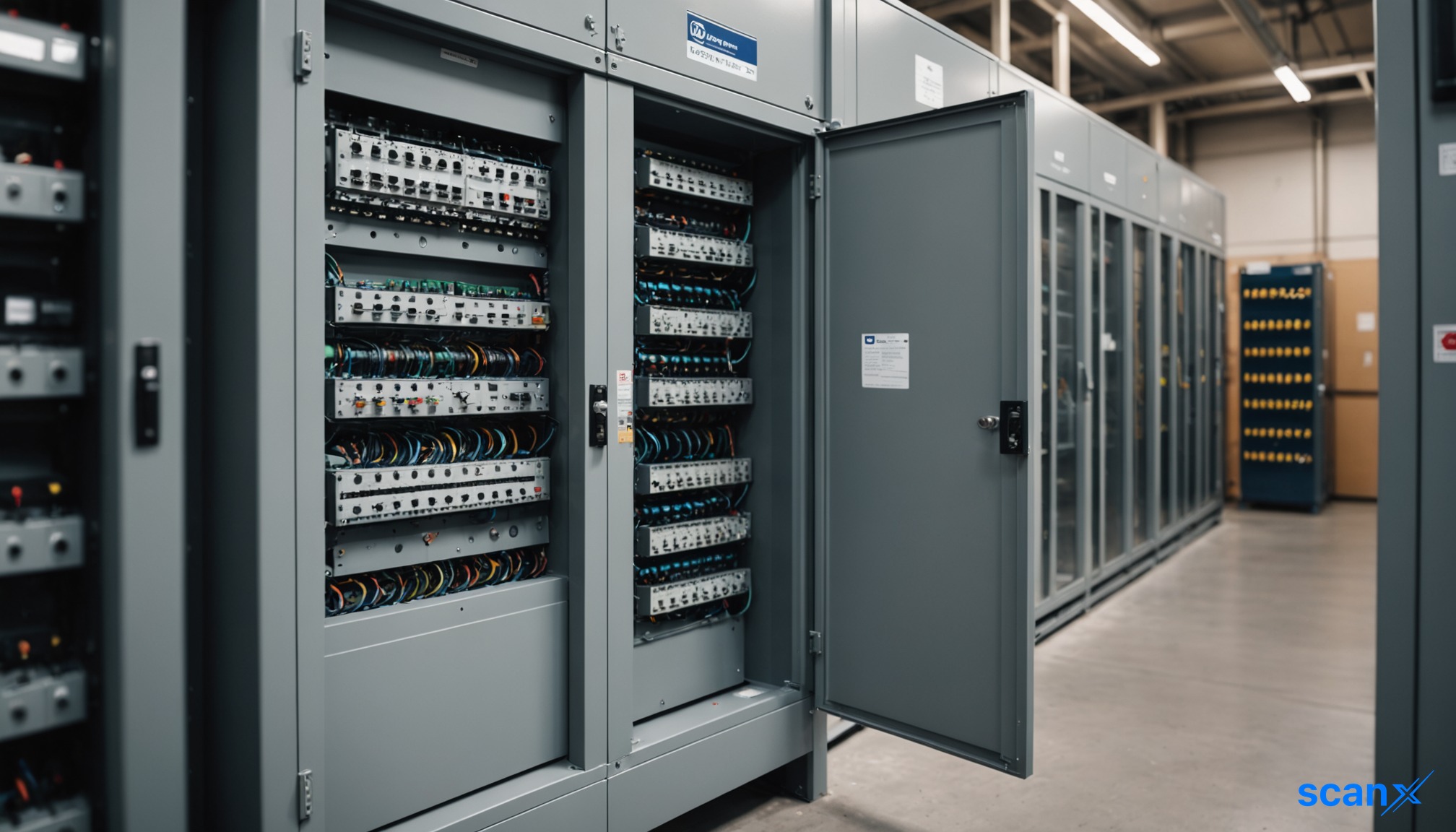
*this image is generated using AI for illustrative purposes only.
Schneider Electric Infrastructure Limited has received an order rejecting its appeal against a tax demand related to excess Input Tax Credit (ITC) claims for FY18. The Joint Commissioner, CGST & CX, Kolkata Appeal-I Commissionerate, upheld the original penalty of ₹5.04 lakh, bringing the total quantified liability to ₹10.08 lakh plus applicable interest.
The dispute stems from transitional input tax credit of ₹5.04 lakh claimed by the company under Form GST TRAN-1 for FY18. Authorities alleged that three invoices were recorded in books on July 31, 2017, exceeding the prescribed period under Section 140(5) of the CGST Act, 2017, without an extension granted by competent authority.
Order Details and Financial Impact
The appellate authority confirmed the findings of the adjudicating authority regarding the inadmissibility of the credit. The order upholds the demand for the principal amount, consequential interest, and the penalty imposed under Section 122(2)(b) of the CGST Act.
| Particulars | Details |
|---|---|
| Authority | Joint Commissioner, CGST & CX, Kolkata |
| Period | FY18 |
| Principal Demand | ₹5.04 lakh |
| Penalty | ₹5.04 lakh |
| Total Quantified Liability | ₹10.08 lakh plus interest |
| Date of Knowledge | October 17, 2026 |
Company Response
Schneider Electric Infrastructure stated that there is no material impact on its financials, operations, or routine business activities. The company noted that the impact is limited to the extent of the liability specified in the order. Management is currently evaluating the order and considering appropriate legal remedies.
What the Numbers Show
The rejection highlights a strict enforcement stance on transitional credit timelines. While the absolute financial exposure of ₹10.08 lakh is immaterial to the company's broader balance sheet, the ruling reinforces the regulatory position that recording invoices beyond the statutory deadline without formal extension renders such credits inadmissible, regardless of the underlying transaction's validity.
Historical Stock Returns for Schneider Electric Infra
| 1 Day | 5 Days | 1 Month | 6 Months | 1 Year | 5 Years |
|---|---|---|---|---|---|
| -0.56% | -2.85% | -2.98% | +16.15% | +39.50% | 0.0% |

Will Schneider Electric Infrastructure pursue further legal remedies in the High Court or Supreme Court, and what is the typical success rate for such appeals regarding GST transitional credit deadlines?
How might this strict enforcement precedent influence the compliance strategies of other companies with pending or unresolved FY18 transitional credit claims?
Are there signs that tax authorities are intensifying audits on historical GST transitional credits, potentially leading to a wave of similar demands across the infrastructure sector?
 19
19







 Create Custom Screeners
  Access 200+ Pre-built Filters
  Use 50+ Readymade Screener





