

Tesla reopens Roadster reservations with $50,000 payment ahead of Oct 1 unveil


- Tesla reopens Roadster reservations with a $50,000 total payment requirement
- Buyers must pay $5,000 via credit card followed by a $45,000 wire transfer within 10 days
- The next-generation Roadster will be unveiled on October 1, as confirmed by Elon Musk
- Tesla states the final price is not yet confirmed as features and hardware are still being finalized
- Tesla shares rose 0.69% to $366.79 in overnight trading

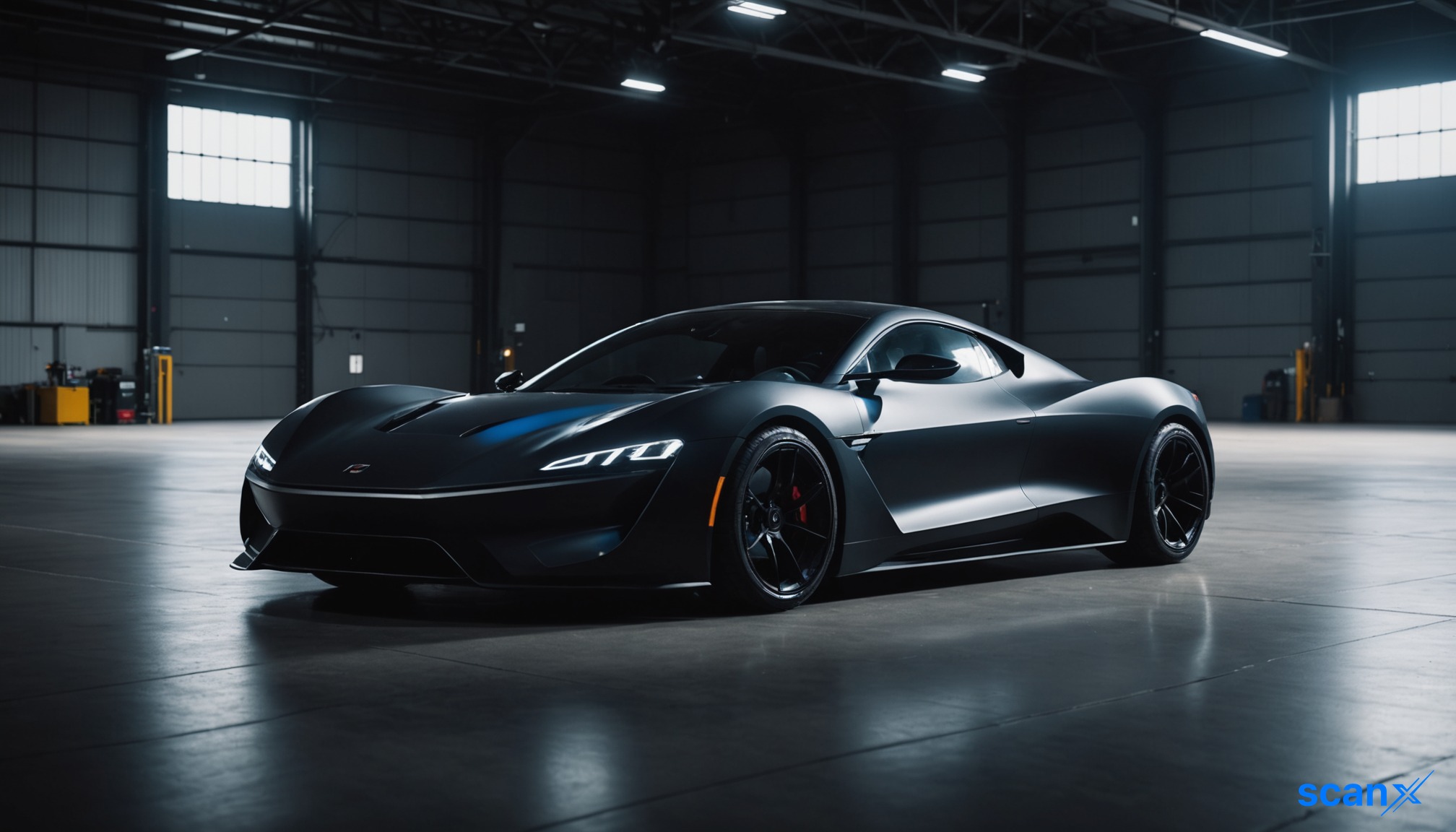

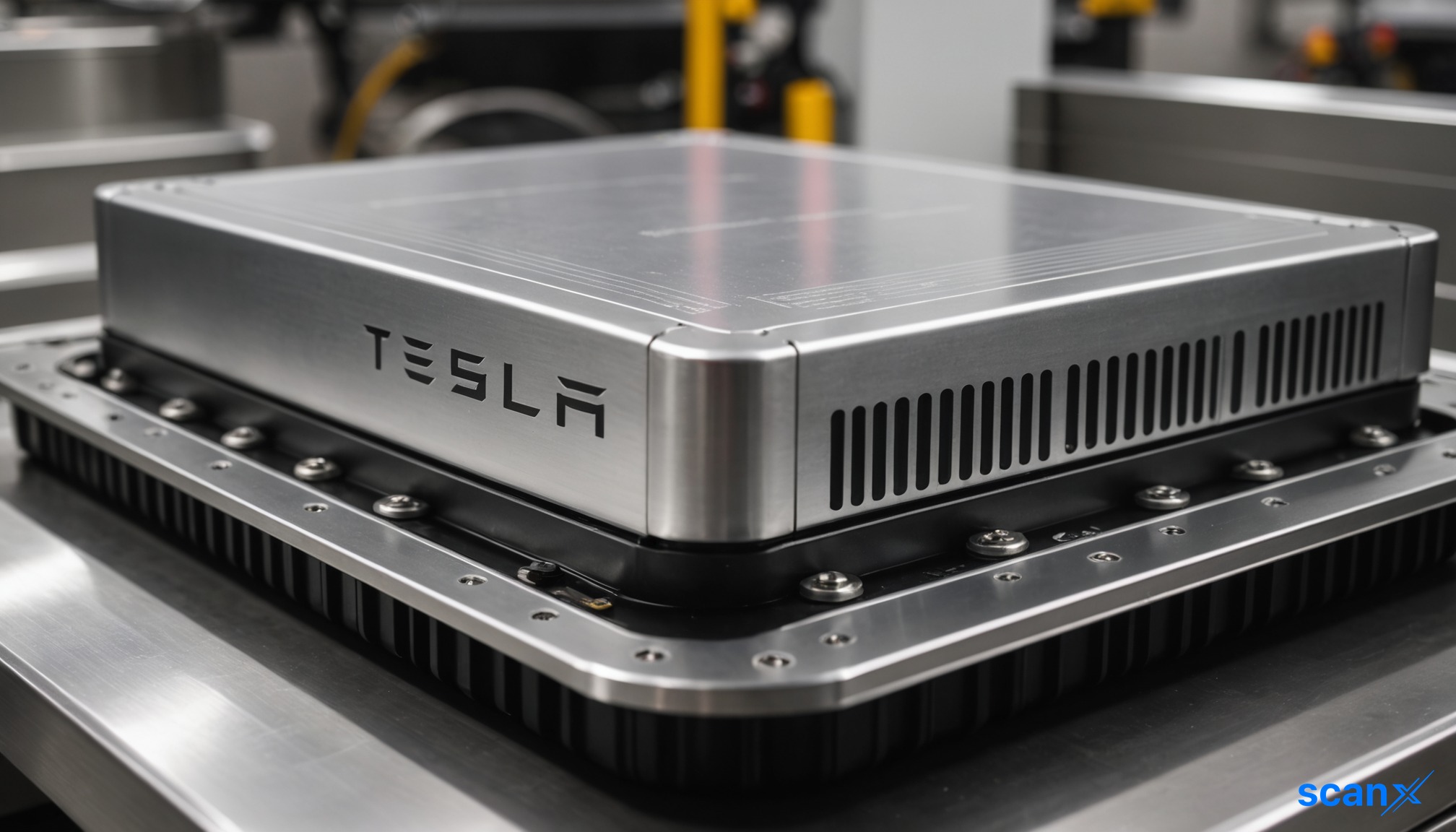
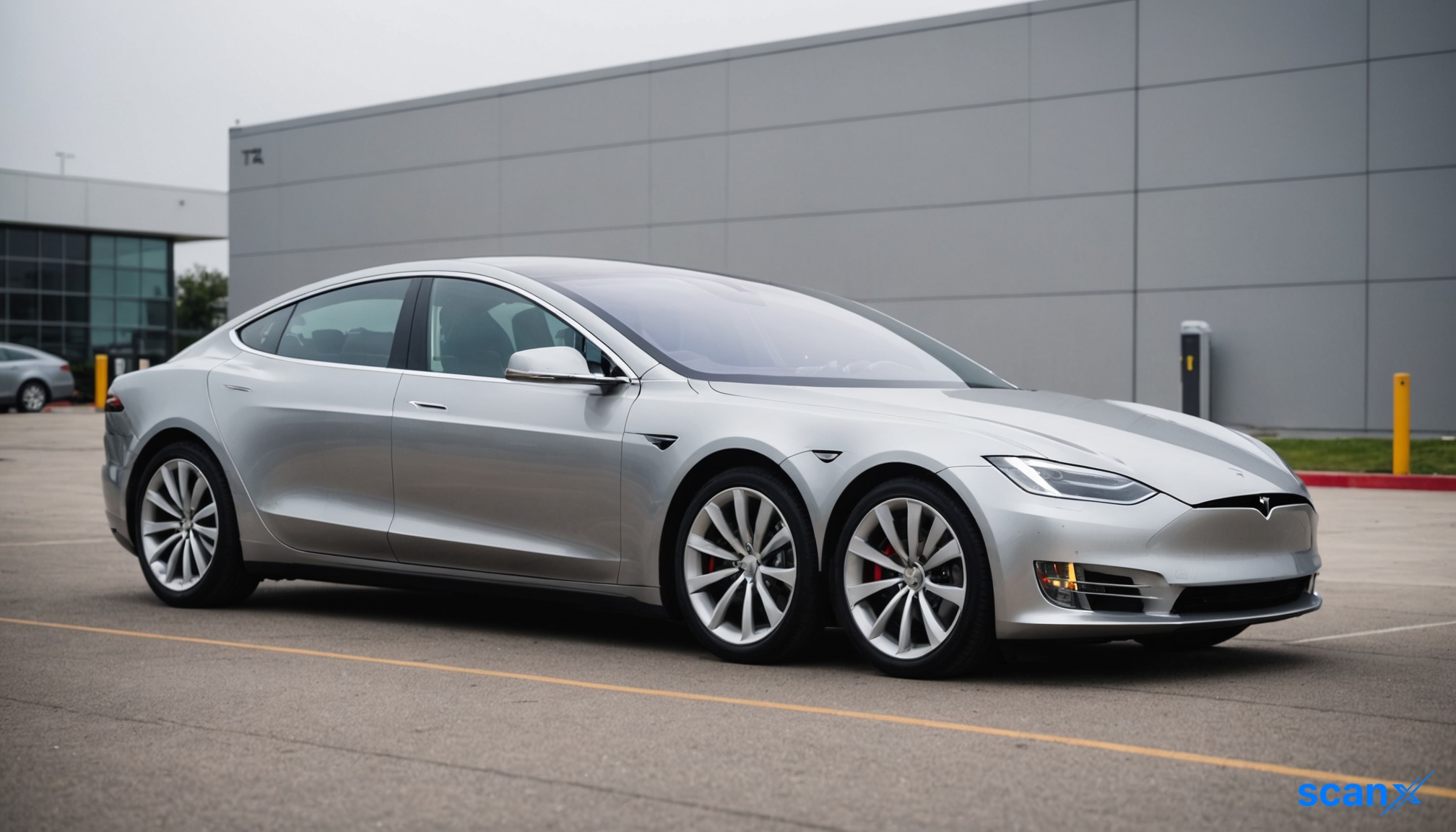
*this image is generated using AI for illustrative purposes only.
Tesla Inc (NASDAQ: TSLA) has reopened reservations for its next-generation Roadster, asking prospective buyers for a $50,000 payment ahead of the vehicle's October 1 debut. The automaker is accepting an initial $5,000 credit card deposit, which is fully refundable.
This move follows CEO Elon Musk’s confirmation last week that the hypercar will be unveiled on October 1, ending years of speculation about the launch timeline. Musk previously teased the reveal on X with the caption "Go for launch," alongside a graphic hinting at the vehicle's advanced capabilities.
Reservation Process and Pricing
The reservation process requires a two-step payment structure. Interested buyers must first pay $5,000 via credit card on Tesla’s website. Within 10 days of this initial payment, buyers are required to wire transfer an additional $45,000.
Tesla stated that reservations are not final until the wire transfer is received. The company emphasized that it can only provide an estimated purchase price at this stage. "We are still working on what options, features and hardware the vehicle will have and so cannot confirm the exact price just yet," Tesla said in its terms and conditions.
Upon securing a reservation, buyers will be invited to configure their vehicles as production nears. Tesla will issue an "order agreement" that can be updated if changes are made to the configuration. Reservations can be cancelled by either party as long as no "Motor Vehicle Purchase Agreement" exists, with full refunds issued in such cases.
SpaceX Package and Flying Car Hints
The upcoming unveil aligns with long-standing hints from Musk regarding a SpaceX package for the Roadster. Earlier reports suggested the vehicle has evolved from a Model S Plaid-based design into an all-new carbon-fiber hypercar.
Speculation centers on a limited-edition model equipped with cold-gas thrusters developed in collaboration with Space Exploration Technologies Corp (NASDAQ: SPCX). A hidden message in Musk’s teaser image referenced the film "Back to the Future," suggesting the car may demonstrate flight capabilities at SpaceX’s test site in McGregor, Texas.
Musk recently told the All-In Podcast audience that while success is not guaranteed, excitement is. He stressed the need for a live audience to verify that any demonstration is not AI-generated.
Trading Metrics
Tesla stock rose 0.69% to $366.79 during overnight trading following the news. At the time of the previous update, the stock was down 0.54% at $363.48. Tesla currently holds a market capitalization of $1.44 trillion.
| Metric | Value |
|---|---|
| Market Cap | $1.44 trillion |
| 52-Week High | $498.83 |
| 52-Week Low | $297.38 |
| YTD Performance | Down 18.74% |
Benzinga’s Edge Stock Rankings indicate that Tesla stock is experiencing short-term upward movement alongside medium and long-term consolidation. However, the company scores moderately on Growth and Quality metrics, while offering poor Value and Momentum.
What the Numbers Show
The reopening of reservations marks a tangible step toward commercializing the Roadster, which has been elusive since its initial tease in 2017. High-profile figures, including OpenAI’s Sam Altman and influencer Marques Brownlee, have previously made reservations. The requirement of a substantial $50,000 upfront commitment signals Tesla’s intent to gauge serious buyer interest before finalizing pricing and features, balancing hype with financial validation.

How might the high $50,000 upfront reservation requirement impact the volume of serious buyers compared to Tesla's previous low-deposit models?
What are the potential regulatory and safety hurdles Tesla faces in integrating SpaceX cold-gas thrusters into a consumer vehicle?
Could the success or failure of the October 1 live demonstration significantly influence Tesla's stock momentum beyond its current short-term upward trend?
 19




 Create Custom Screeners
 Access 200+ Pre-built Filters
 Use 50+ Readymade Screener





