

Tesla opens Cybercab fleet sales but leaves revenue split unclear


- Tesla invites third-party businesses to purchase Cybercab fleets via September interest form
- Revenue-sharing terms for robotaxi rides remain undisclosed by Tesla
- ARK Invest forecasts robotaxi prices could drop to 25 cents per mile
- Initial Austin fares were reported as 50% lower than Uber on comparable rides

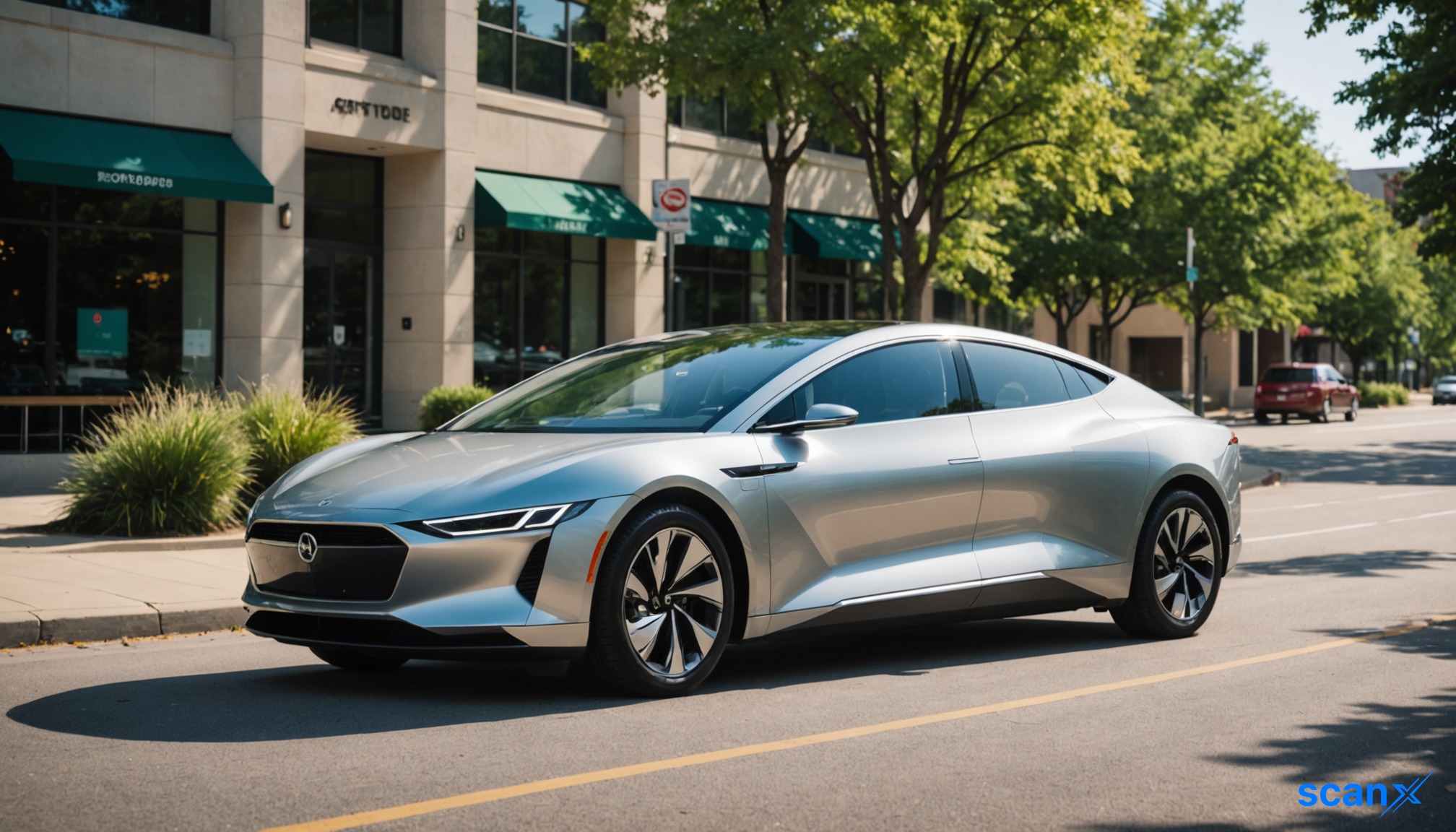

*this image is generated using AI for illustrative purposes only.
Tesla Inc. (NASDAQ: TSLA) has opened its Robotaxi network to third-party fleet operators, inviting businesses to purchase Cybercabs. The move shifts capital and operational burdens to external partners. However, Tesla has not disclosed the revenue-sharing structure for each ride.
The company’s September interest form solicits interest in Cybercab fleet vehicle purchasing, mobility hubs, and infrastructure. This signals a strategy where Tesla may not finance, park, or operate every vehicle itself. Axios reported that this approach could shift the burden of charging, cleaning, and maintenance toward entrepreneurs and fleet operators.
Fleet economics and cost projections
The potential economics drive investor interest in this model. ARK Invest estimates that robotaxis could eventually be priced as low as 25 cents per mile, roughly one-tenth the cost of human-driven ride-hail. While this is a forecast and not a Tesla commitment, it illustrates the scale of the potential cost advantage.
Initial fares in Austin were reportedly roughly 50% below Uber on comparable rides. Tesla states that the Cybercab is designed specifically for its Robotaxi fleet. However, cheap rides alone do not create a valuable platform without clear commercial terms for third-party owners.
Who captures the robotaxi revenue?
Tesla’s support page confirms that commercial fleet buyers can express interest but does not spell out a purchase price, revenue-sharing arrangement, or owner economics. This missing split is critical for determining the business model’s viability.
If outside operators finance the vehicles while Tesla controls software, booking, pricing, and dispatch, Tesla could collect revenue without carrying the full capital burden. This would provide an unusual combination: automaker economics when the Cybercab is sold and platform economics every time it moves a passenger.
The balance of the split will determine who has the incentive to keep buying more vehicles. A fleet operator needs enough revenue to cover the Cybercab, financing, insurance, charging, maintenance, and downtime. Tesla needs enough of each fare to make expanding the network economically meaningful.
What the numbers show
The divergence between the disclosed hardware ambition and the undisclosed software economics creates an information gap. Tesla has demonstrated it can build the vehicle and is now asking others to help scale the fleet. The next catalyst is not simply how many Cybercabs Tesla produces, but how the money from each ride gets divided between Tesla and the people paying for the cars.
Investors should watch for the first major fleet buyers, the number of vehicles they commit to, and the revenue-sharing structure Tesla offers them. If Tesla can attract outside capital while retaining a meaningful portion of every autonomous mile, Cybercab starts looking less like another vehicle launch and more like a recurring-revenue network.

How might the undisclosed revenue-sharing structure impact the willingness of traditional fleet operators to invest in Cybercab infrastructure?
What regulatory hurdles could arise if Tesla retains control over pricing and dispatch while third parties own the vehicles?
How will the shift to a third-party fleet model affect Tesla's balance sheet and capital expenditure requirements in the coming quarters?
 18
18





 Access Market Heat-map & Insights
  Create, Save & Share your Screener
  Use 200+ Screening Filters





