

Tesla faces 'rampant racism' trial in California civil rights lawsuit


- California Civil Rights Department alleges "rampant racism" at Tesla's Fremont factory
- Trial began Monday without a jury, with Judge Peter Borkon set to deliver the final ruling
- Evidence includes photos of swastikas, KKK references, and racist slurs on workplace items
- Previous case involving Owen Diaz saw damages reduced from $137 million to $3.2 million
- Potential outcome includes uncapped damages estimated at tens of millions and policy reforms

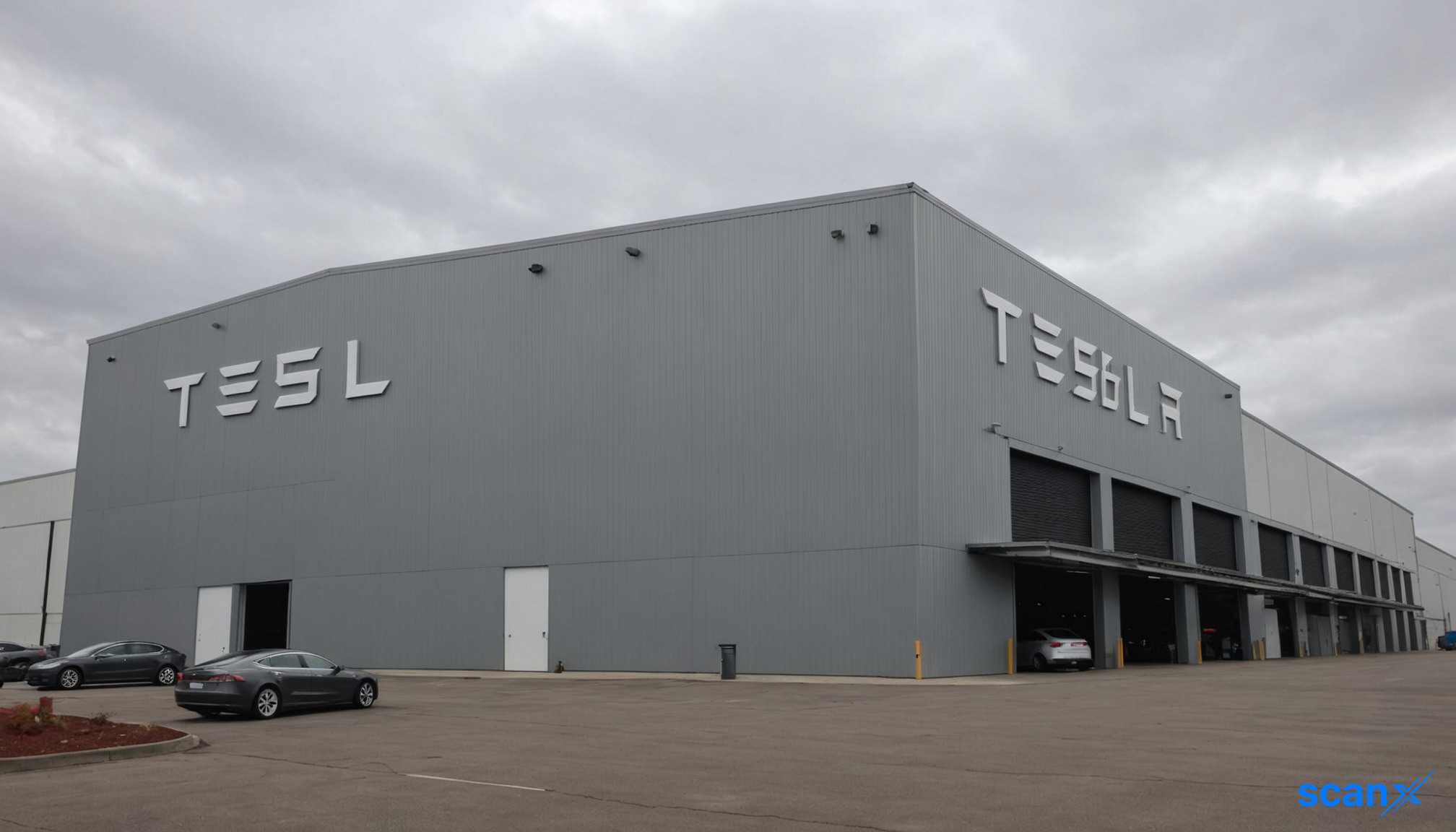

*this image is generated using AI for illustrative purposes only.
A trial against Tesla Inc (NASDAQ: TSLA) began Monday in the California Civil Rights Department v. Tesla case. The state alleges "rampant racism" at the Fremont factory, citing evidence of racial slurs and segregation that Tesla allegedly failed to address for years.
The lawsuit, filed in February 2022, accuses the electric vehicle maker of unequal pay, promotions, and bullying of Black workers. Opening statements highlighted photographic evidence from the factory floor, including swastikas, the Confederate flag, and the phrase "go back to Africa" written on lockers and lunch tables.
Evidence and allegations
California Civil Rights Department lawyer Brett Watson presented photographs to Judge Peter Borkon showing items such as the N-word on walls and "KKK" markings. Watson argued that hundreds of complaints prove these incidents were not isolated events but part of a broader pattern of discrimination.
Tesla attorney Tyree Jones countered in opening statements, arguing that Black employees used such language among themselves. Jones stated that the state was blaming the employer when it was the victim. Tesla has denied wrongdoing, stating it previously disciplined and terminated employees involved in misconduct.
Trial structure and potential impact
Unlike previous discrimination cases involving Tesla, this trial will not be decided by a jury. Judge Peter Borkon will make the final ruling. There is no cap on damages, with Reuters estimating a state victory could result in tens of millions of dollars in penalties and mandatory changes to company policies.
The trial is scheduled to continue through October 30. Tesla CEO Elon Musk is not expected to testify, and he has not publicly addressed the proceedings recently.
Historical context
Tesla has faced similar allegations before. In a notable 2022 case, a federal jury awarded former employee Owen Diaz $137 million. This amount was later reduced to $15 million on appeal and subsequently to $3.2 million by a second jury after Diaz rejected the reduced figure.
While the financial penalty may be manageable for Tesla, the litigation poses risks to its labor practices and brand reputation. Analysts note that while the direct financial loss is not material relative to market capitalization, the operational mandates for policy changes could have longer-term implications for factory management.

How might a judge-led ruling without jury sympathy influence the likelihood of substantial punitive damages compared to previous Tesla discrimination cases?
What specific operational mandates might the court impose on Tesla's Fremont factory management, and how could these affect production efficiency?
Could the outcome of this state-led trial trigger similar civil rights investigations against other major electric vehicle manufacturers or tech companies?
 18
18



 Access Market Heat-map & Insights
  Create, Save & Share your Screener
  Use 200+ Screening Filters





