

Musk says no legacy automakers have accepted Tesla FSD license offer


- Elon Musk confirmed no legacy automakers have accepted Tesla FSD licensing offers
- Sawyer Merritt noted Tesla has openly invited automakers to license FSD for years
- Tesla uses a vision-only approach unlike the camera plus LiDAR systems used by competitors
- TSLA shares rose 0.15% to $375.79 in pre-market trading on Tuesday

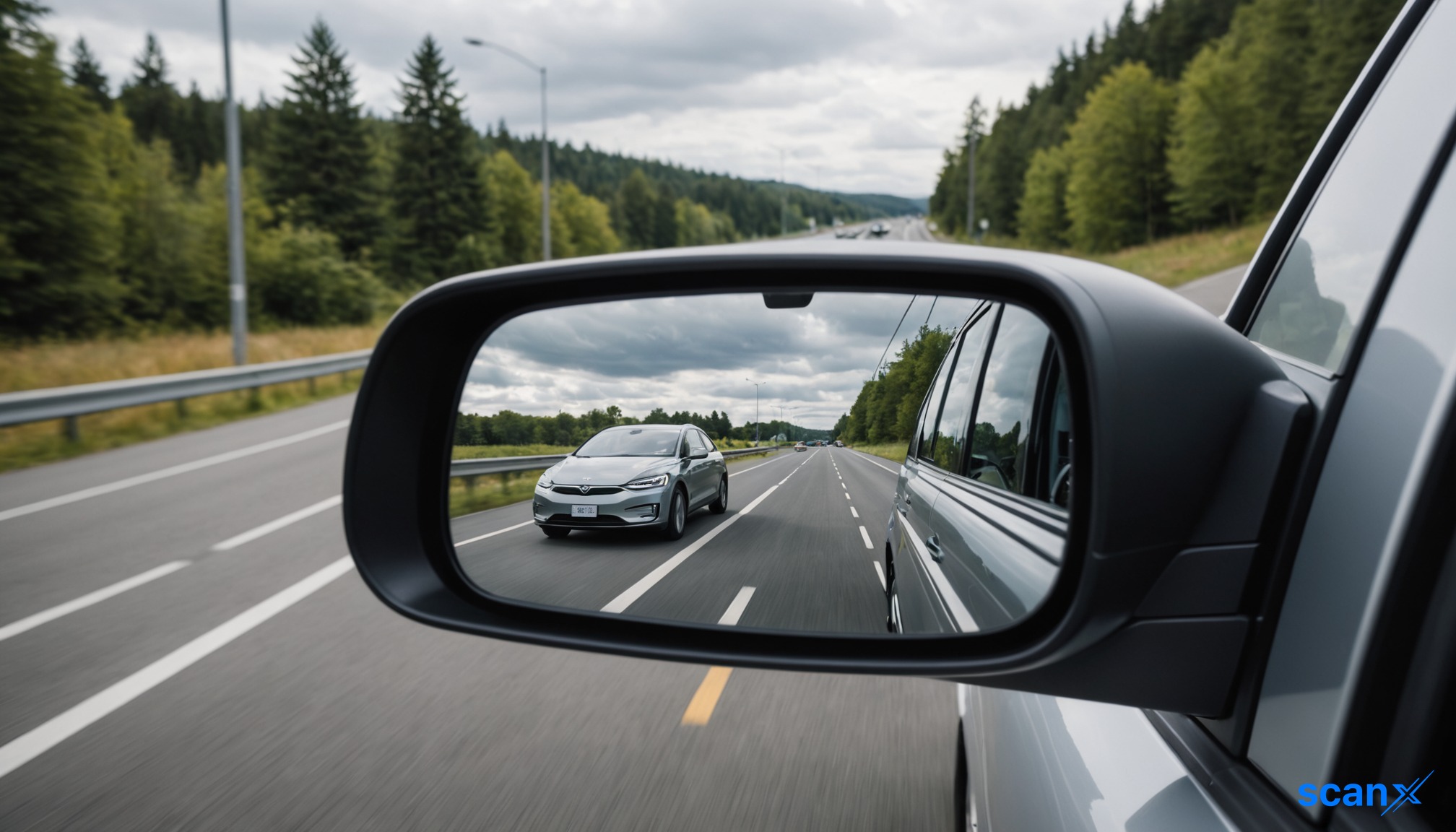

*this image is generated using AI for illustrative purposes only.
Tesla Inc. (NASDAQ: TSLA) CEO Elon Musk reaffirmed that the company has offered its Full Self-Driving (FSD) system to legacy manufacturers via licensing deals, but none have accepted so far. This confirmation follows a social media exchange highlighting the lack of industry adoption for Tesla’s autonomous driving suite.
The Licensing Standoff
On Monday, Boom Supersonic CEO Blake Scholl predicted that Tesla FSD would remain an in-house advantage for a couple of years before being offered to other manufacturers. Scholl compared this potential shift to Tesla’s Supercharger network, which was initially exclusive to Tesla EVs before opening up to competitors.
Influencer Sawyer Merritt quoted Scholl’s post, stating that Tesla and Musk had "for years openly invited other automakers to license FSD," but noted that "none" of the manufacturers had accepted. Musk responded to Merritt’s post with a single word: "Exactly," backing the claim that interest from legacy automakers remains absent.
Previous Comments on Interest
This is not the first time Musk has addressed the lack of licensing deals. In November last year, he stated that the FSD system had been offered to legacy automakers, but they showed little interest. At that time, Musk mentioned that when legacy automakers did reach out, they "tepidly" held discussions about implementing FSD for a tiny program in five years.
Technology Approach and Criticism
Tesla’s FSD system has faced criticism for its vision-only approach to autonomous driving. This contrasts with the camera plus LiDAR-based approach that has become common in several other autonomous driving suites.
The system features various speed modes, including a "Mad Max" setting, but it does not offer full autonomy. Drivers are required to remain attentive at all times and be ready to take over driving duties.
Tesla’s AI chief Ashok Elluswamy recently said that Tesla will bet on relying on a "smarter FSD system" rather than company-imposed ceilings. This echoes Musk’s comments from July that the FSD system would become capable of being tailored to individual driver preferences.
Market Reaction
TSLA shares rose 0.15% to $375.79 during pre-market trading on Tuesday.

How might the lack of FSD licensing deals impact Tesla's long-term valuation strategy regarding software revenue streams?
Will the divergence between Tesla's vision-only approach and competitors' LiDAR-based systems lead to regulatory fragmentation in autonomous driving standards?
Could regulatory pressure or safety incidents force legacy automakers to reconsider licensing Tesla's technology despite their current reluctance?
 19
19



 Access Market Heat-map & Insights
  Create, Save & Share your Screener
  Use 200+ Screening Filters





