
 NewsBudget 2026: Real Estate Sector Anticipates Policy Support for Housing and Urban Development
Budget 2026: Real Estate Sector Anticipates Policy Support for Housing and Urban Development


Real estate sector anticipates Budget 2026 to deliver policy continuity and targeted reforms including infrastructure-equivalent status for housing, revision of ₹45 lakh affordable housing price cap, and GST rationalization on construction inputs. The industry has shown resilience over two years with sustained demand and improved regulatory maturity through RERA compliance and digital transformation.

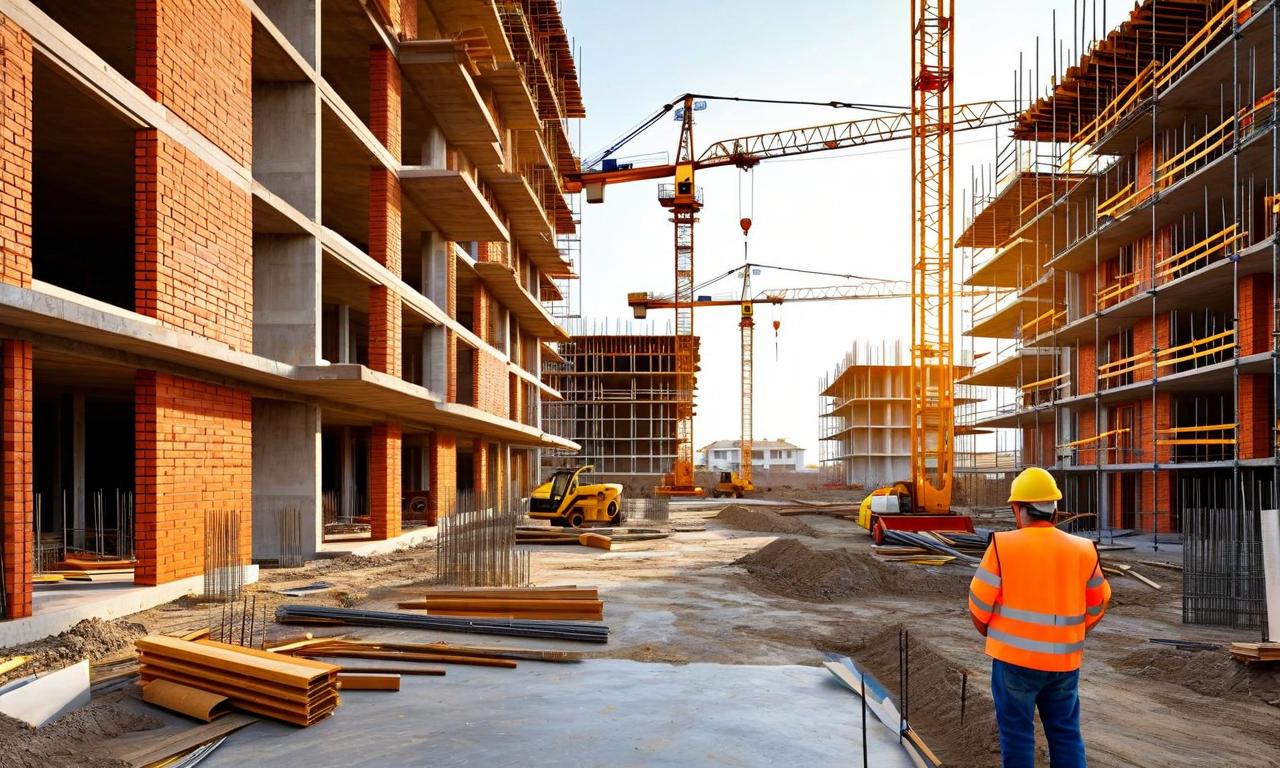

*this image is generated using AI for illustrative purposes only.
As India approaches Union Budget 2026, the real estate sector stands at a critical juncture where policy decisions will significantly impact housing affordability and urban development. The industry has demonstrated unexpected resilience over the past two years, maintaining steady demand across housing segments while navigating global uncertainties and domestic policy changes.
Sector Resilience and Market Dynamics
The real estate market has shown remarkable stability, with premium and luxury segments continuing to attract buyers seeking long-term asset security. This sustained momentum reflects improved regulatory maturity, enhanced governance standards, and rebuilt trust between developers and homebuyers. The sector's performance has been supported by RERA-compliant disclosures and digital transaction platforms that have increased transparency and buyer confidence.
Key Budget Expectations and Policy Priorities
Industry stakeholders anticipate several critical policy measures in the upcoming budget. The primary focus remains on maintaining continuity in long-term housing and urban development programs, which enables better project planning and sustained employment across construction and allied industries.
Infrastructure Status and Capital Access
| Policy Measure | Expected Impact |
|---|---|
| Infrastructure-equivalent status for housing | Improved access to patient capital at lower costs |
| Tax rebates and incentives | Enhanced long-term funding confidence |
| Stable policy framework | Better capital structuring for developers and investors |
Granting housing infrastructure-equivalent status would unlock access to patient, long-tenure capital at reduced financing costs, enabling more sustainable project development and improved affordability for end-users.
Affordability Enhancement Measures
The revision of affordable housing price caps represents a crucial area requiring immediate attention. The current threshold of ₹45 lakh needs updating to reflect contemporary urban land and construction costs that have evolved significantly over the past decade.
Proposed Affordability Reforms
- Price Cap Revision: Updating the ₹45 lakh limit to reflect current market realities
- Interest-linked Incentives: Enhanced home-buying benefits for first-time buyers
- Tax-related Support: Improved buyer confidence through fiscal measures
- Market-aligned Benefits: Ensuring policy relevance to today's homebuyers
These measures would help bridge the gap between housing aspiration and access, particularly benefiting first-time buyers while encouraging developers to launch projects in affordable and mid-income segments.
GST Rationalization and Cost Management
Streamlining GST on construction-related items emerges as another priority for reducing cost pressures across the value chain. Current taxation structures on construction inputs significantly impact project viability and delivery timelines.
| Current Challenge | Proposed Solution | Expected Outcome |
|---|---|---|
| Complex GST structure | Streamlined construction input taxation | Reduced cost pressures |
| Cash flow constraints | Improved developer liquidity | Timely project delivery |
| High input costs | Balanced tax framework | Competitive pricing for buyers |
A simplified tax framework would enhance the sector's ability to deliver projects at scale while maintaining quality standards and meeting delivery commitments.
Industry Transformation and Future Outlook
The real estate sector has undergone significant institutional transformation, characterized by improved regulatory oversight, technology adoption, and enhanced buyer awareness. RERA compliance has standardized disclosures, while digital platforms have revolutionized transaction processes. This evolution positions the industry for sustainable growth with appropriate policy support.
The upcoming budget presents an opportunity to reinforce this positive trajectory through progressive policy measures focusing on affordability, rationalization, and stability while recognizing evolved market conditions and supporting the vision of housing for all.
 15
15












 Access 50+ Readymade Screeners
  Use 200+ Custom Filters
  Get Full Market Insights





