

Public Investment Strategy Essential for India's Economic Growth, Expert Analysis Shows


Expert analysis advocates continued public investment focus in Budget 2026-27, citing infrastructure spending's 2.5-3x GDP multiplier effect and fourfold capital expenditure growth since FY16 to over ₹11 lakh crore in FY25. Recent studies show India's logistics costs improved to 7.97% of GDP, significantly below earlier 13-18% estimates, demonstrating tangible infrastructure benefits. The analysis recommends focusing on high-multiplier areas, enhancing private capital integration, and improving execution quality for optimal economic impact.



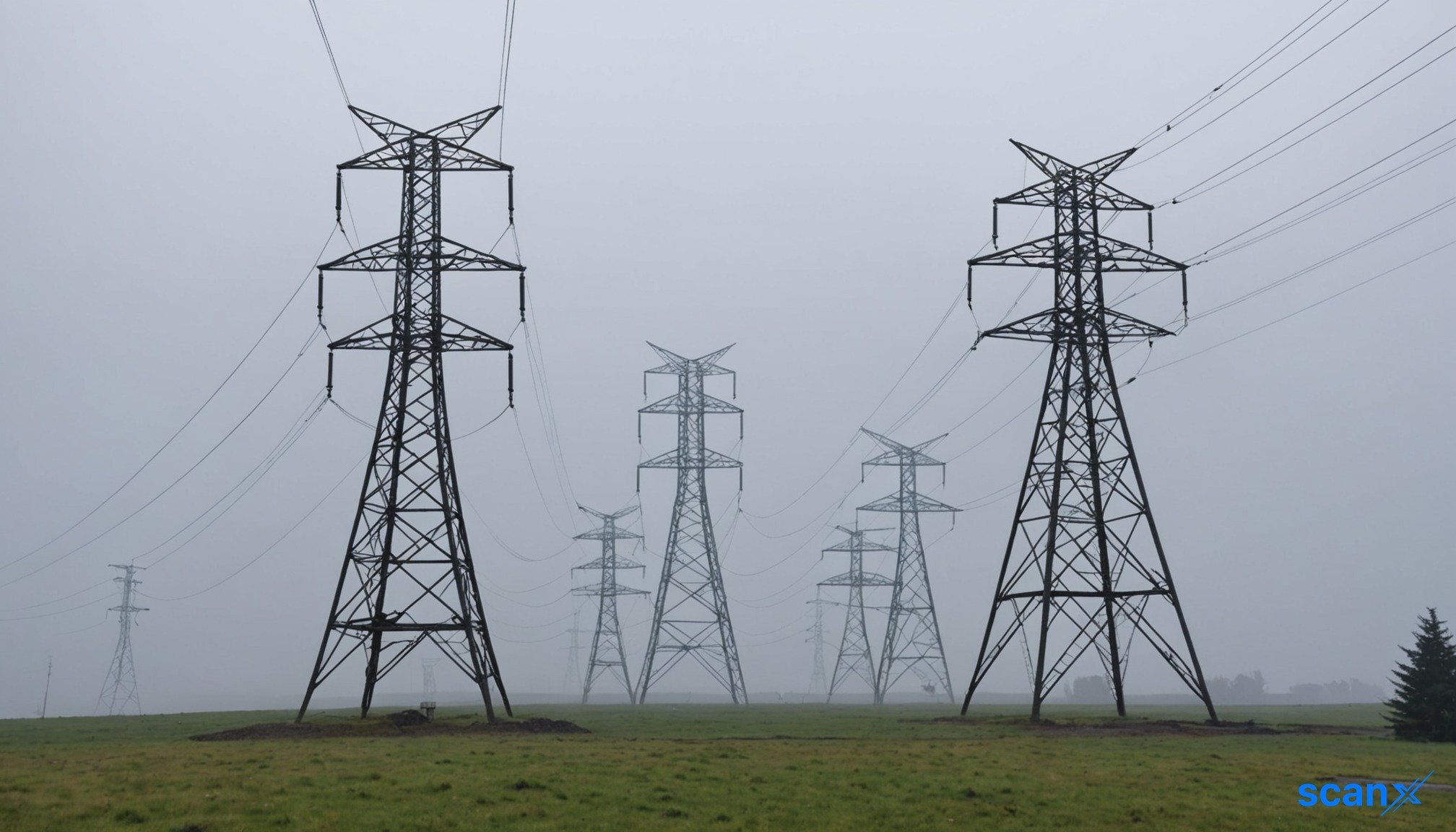
*this image is generated using AI for illustrative purposes only.
A detailed economic analysis emphasizes the strategic importance of maintaining public capital expenditure focus in India's upcoming Budget 2026-27, highlighting infrastructure investment's proven multiplier effects and structural economic benefits.
Infrastructure Investment Delivers Strong Multiplier Effects
The analysis reveals that infrastructure spending generates significantly higher economic returns compared to consumption expenditure. While consumption spending typically delivers one-time benefits, infrastructure investment creates sustained economic impact through job creation, cost reduction, and productivity enhancement.
| Investment Impact: | Details |
|---|---|
| Multiplier Effect: | 2.5x to 3.0x GDP impact |
| Economic Return: | ₹2.50-₹3.00 generated per rupee invested |
| Sectors Benefited: | Steel, cement, machinery, logistics, real estate, services |
| Long-term Impact: | Continued productivity gains post-construction |
This multiplier effect stems from infrastructure's dual impact: immediate demand creation across multiple sectors during construction, followed by ongoing productivity improvements from completed assets.
Capital Expenditure Growth Shows Substantial Expansion
Central government capital expenditure has demonstrated remarkable growth trajectory, reflecting the administration's commitment to infrastructure-led development.
| Growth Metrics: | Performance |
|---|---|
| Growth Since FY16: | More than fourfold expansion |
| FY25 Allocation: | Over ₹11 lakh crore |
| Focus Areas: | Roads, railways, ports, housing, power |
| Strategic Objective: | $5 trillion economy by 2027 |
The substantial increase in capital allocation demonstrates the government's strategic positioning of infrastructure investment as the primary instrument for achieving ambitious economic targets.
Logistics Efficiency Improvements Exceed Expectations
Recent research has revealed significant improvements in India's logistics performance, contradicting earlier pessimistic assessments. A comprehensive study commissioned by the Department for Promotion of Industry and Internal Trade and conducted by the National Council of Applied Economic Research has provided updated logistics cost data.
| Logistics Performance: | Current Status |
|---|---|
| Revised Logistics Costs: | 7.97% of GDP |
| Previous Estimates: | 13-18% of GDP |
| Comparison: | Closer to advanced economies |
| Improvement Areas: | Transit times, inventory holding, modal efficiency |
These improvements reflect tangible benefits from sustained investment in highways, rail freight corridors, port modernization, and multimodal logistics infrastructure. The enhanced efficiency directly supports manufacturing and export competitiveness through reduced operational costs.
Private Investment Catalyzed by Public Infrastructure
Public infrastructure investment has demonstrated its effectiveness in stimulating private capital formation rather than crowding it out. Improved connectivity and reduced project risks have enhanced returns across multiple sectors:
- Manufacturing facilities benefit from better transport connectivity
- Logistics operations gain from improved rail and highway networks
- Renewable energy projects leverage enhanced power transmission infrastructure
- Data centers capitalize on improved digital backbone
- Urban services expand with better infrastructure foundation
This catalytic effect positions public capital expenditure as a strategic tool for anchoring long-term investment cycles and shaping positive market expectations.
Strategic Recommendations for Budget 2026-27
The analysis identifies three critical areas for optimizing infrastructure investment effectiveness in the upcoming budget:
High-Multiplier Focus Areas:
- Logistics infrastructure development
- Urban infrastructure expansion
- Power transmission networks
- Renewable energy integration
- Digital infrastructure backbone
Private Capital Integration:
- Enhanced public-private partnerships
- Strategic asset monetization programs
- Blended finance mechanisms
Execution Quality Improvements:
- Streamlined approval processes
- Milestone-linked funding mechanisms
- Enhanced monitoring systems
- Faster ground-level asset delivery
The expert analysis concludes that capital expenditure represents more than budgetary allocation—it constitutes a comprehensive economic strategy. As global growth faces uncertainty and domestic pressures mount, maintaining infrastructure investment focus provides stable economic anchoring while supporting long-term growth objectives. The approach signals policy continuity to markets and investors planning substantial capital commitments, reinforcing India's commitment to sustainable, inclusive economic development.
 16
16








 Access Market Heat-map & Insights
  Create, Save & Share your Screener
  Use 200+ Screening Filters





