

Gary Black says SpaceX buying Tesla would not pass muster


Gary Black rejected the possibility of SpaceX acquiring Tesla, citing fiduciary duties and excessive dilution at current valuations, while Chamath Palihapitiya and some Wall Street analysts see strategic merit in the merger.


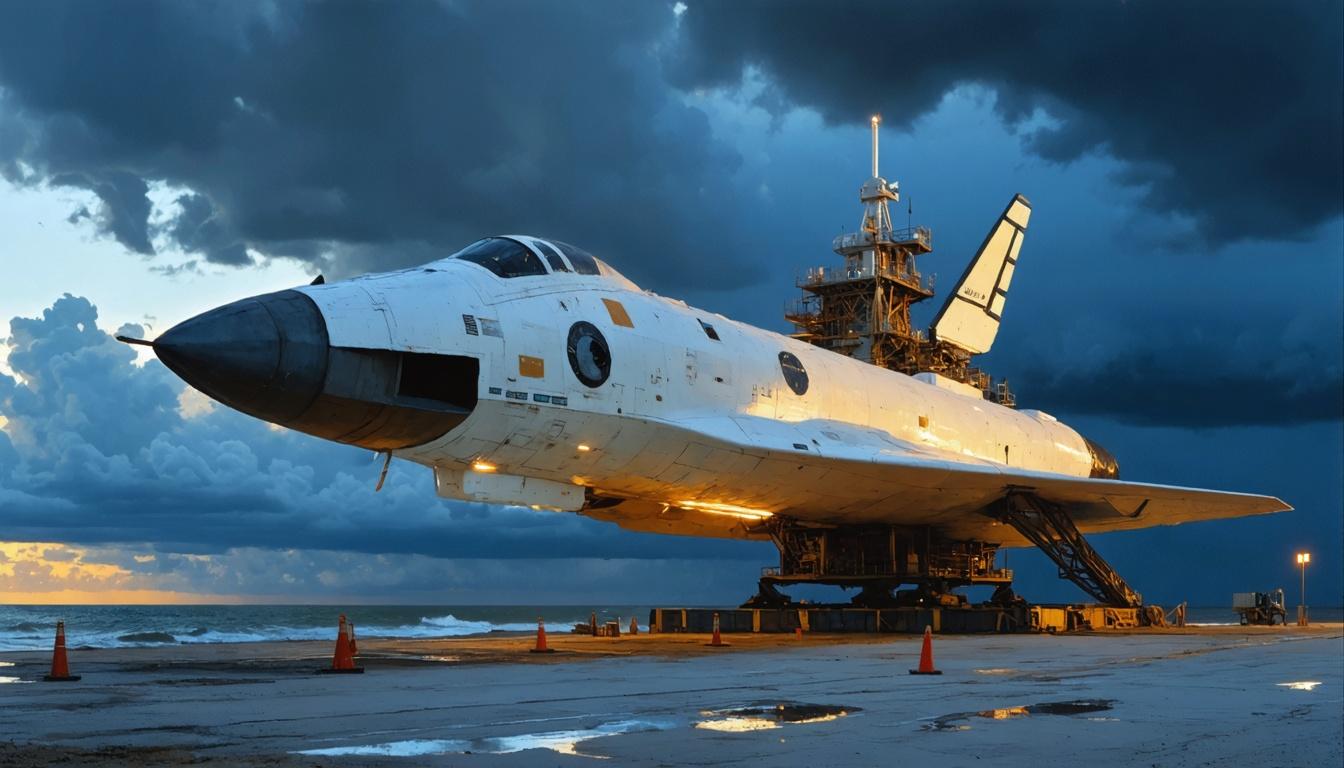
*this image is generated using AI for illustrative purposes only.
Future Fund Managing Director Gary Black pushed back on Thursday against speculation that SpaceX (NASDAQ:SPCX) could acquire Tesla Inc. (NASDAQ:TSLA), arguing that Elon Musk’s voting control does not free the SpaceX board from its fiduciary obligations. Black stated that a deal at current valuations would result in unacceptable dilution for SpaceX shareholders, countering recent support for the merger from venture capitalist Chamath Palihapitiya.
Musk Control Does Not Erase Board Duties
Black emphasized that despite Musk owning 82% of SpaceX’s voting control and 42% of its equity, the board cannot ignore its responsibilities to public shareholders. "Those who think $SPCX will buy $TSLA don’t understand the concept of board fiduciary duty," Black wrote on X. He noted that SpaceX’s prospectus confirms Musk retains the power to elect the board, but this does not "magically let the SPCX board off the fiduciary hook."
Dilution Math Undersells A Tesla Takeover
SpaceX shares traded near $131 on Friday, below the $135 IPO price and significantly lower than post-listing highs. Black argued that using stock to acquire Tesla would require issuing substantial new shares, severely diluting existing SpaceX investors. "At $132 and sinking, SPCX can’t just buy TSLA in a 25% dilutive equity deal," Black said. "The math won’t pass muster."
Conflicting Views on Merger Logic
The debate follows comments from Chamath Palihapitiya, who told CNBC there was "a very obvious industrial logic" to combining the companies under one capital structure. Palihapitiya suggested a merger would facilitate fundraising for Musk’s various projects and estimated Tesla might require a 50% premium in an acquisition due to its volatility and litigation risks. He also highlighted SpaceX’s potential to build a consumer wireless business using spectrum licenses acquired from EchoStar Corp. for about $17 billion.
Wall Street has offered mixed assessments. Jefferies estimated a nil-premium transaction could leave Musk with 55.3% voting control, while JPMorgan called a combination "strategically coherent on paper" regarding AI and robotics integration, though it warned of governance and regulatory hurdles. Conversely, hedge fund manager George Noble criticized the SpaceX IPO as potentially the "largest exit liquidity operation in history," arguing insiders bought at lower prices.
Tesla is scheduled to report second-quarter results on July 22. Wall Street expects earnings of 32 cents per share and revenue of $26.02 billion, following reported vehicle deliveries of 480,126 for the quarter.

How might SpaceX's current stock performance influence its board's willingness to pursue a Tesla acquisition despite the dilution concerns?
What regulatory hurdles could a SpaceX-Tesla merger face, given the overlapping interests in AI and robotics?
How could the potential merger impact Tesla's upcoming second-quarter earnings report and investor sentiment?
 15
15




 Create Custom Screeners
  Access 200+ Pre-built Filters
  Use 50+ Readymade Screener





