

ispace books $50m Starship capacity for lunar cargo service


ispace Inc. announced a new lower-cost lunar cargo business using SpaceX Starship, purchasing 500 kilograms of capacity for $50 million for a mission targeting 2030. The 'lunar access integrator' service contrasts with its dedicated lander model, aiming to accelerate growth despite previous failed landing attempts in 2023 and 2025.


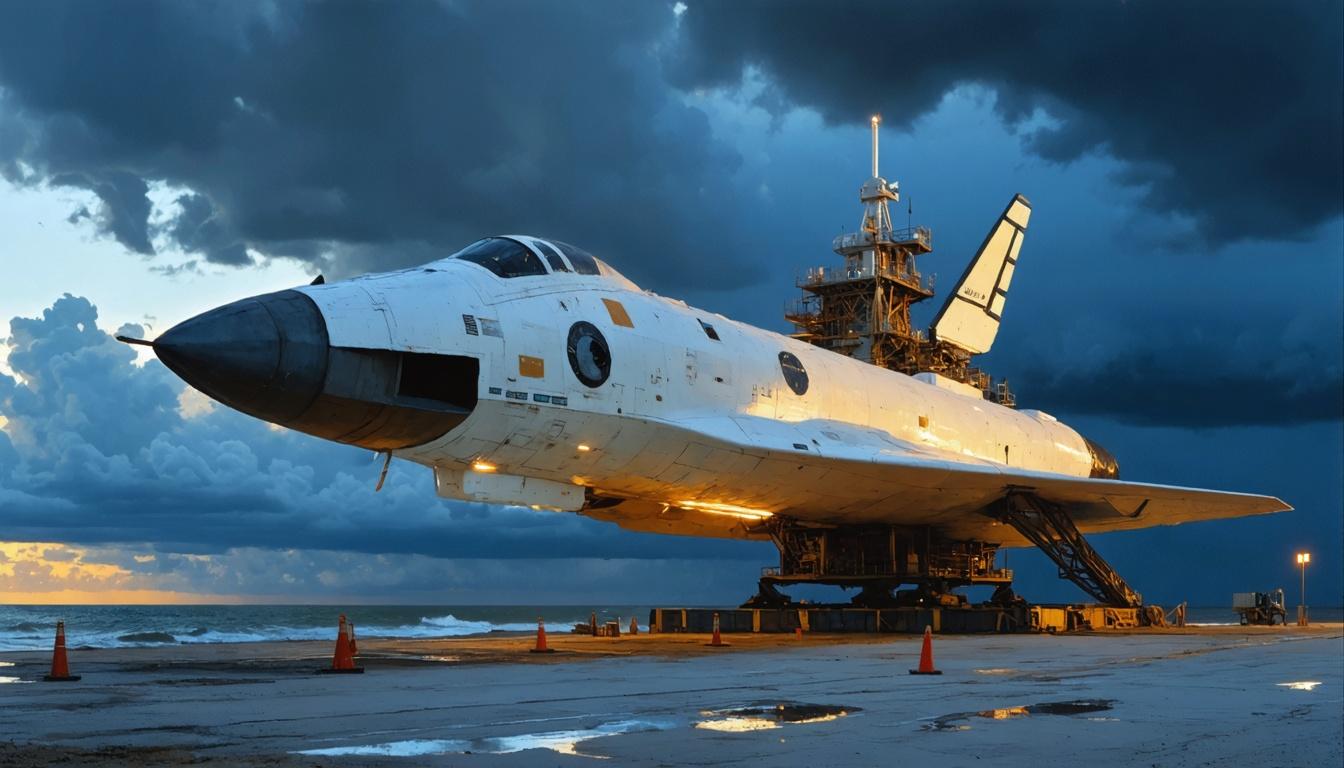
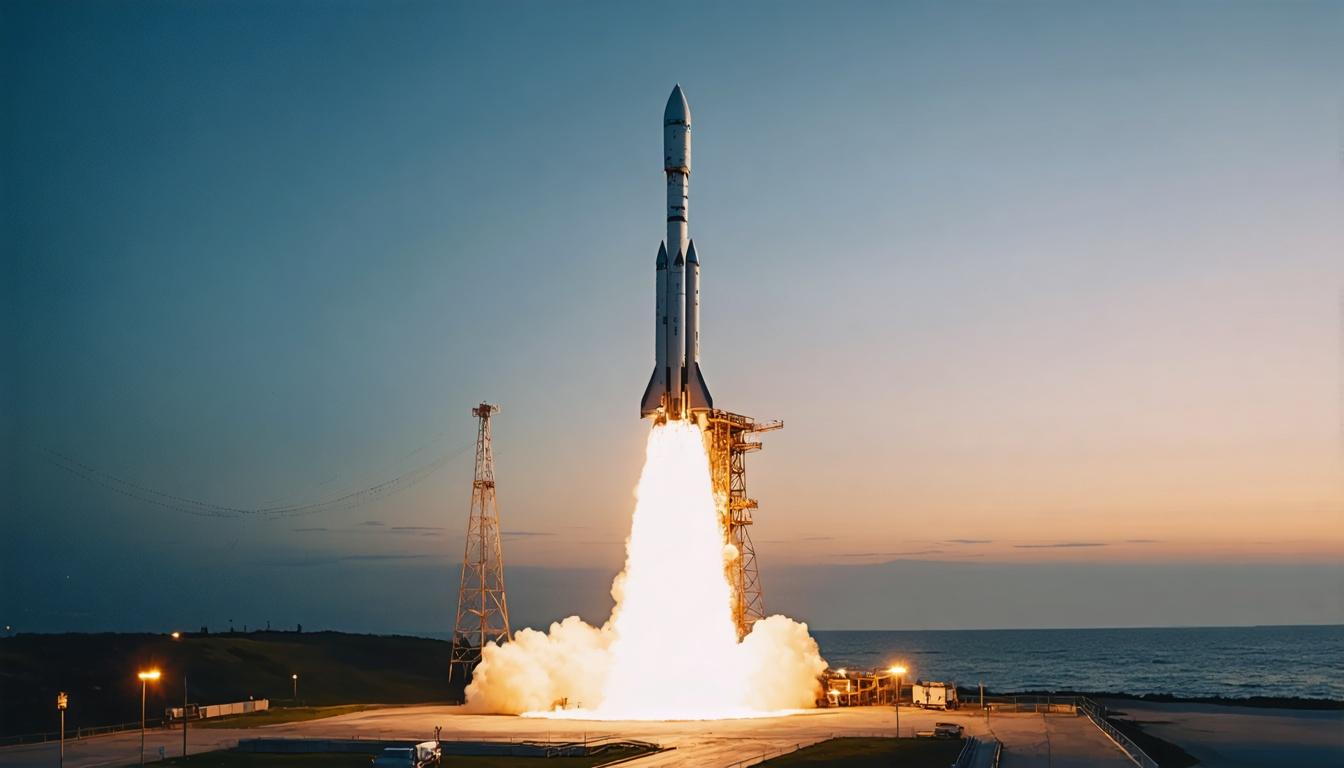
*this image is generated using AI for illustrative purposes only.
Japanese lunar transport company ispace Inc. announced Wednesday it will launch a lower-cost lunar cargo business using SpaceX Starship. The Tokyo-based firm purchased 500 kilograms, or 1,102 pounds, of capacity for $50 million on a Starship mission scheduled to land on the moon as soon as 2030. This strategic move aims to widen ispace's bet on shared transport to the moon following two failed landing attempts.
The new "lunar access integrator" service will function like a moon-bound bus, contrasting with ispace’s existing dedicated lunar lander business, which Executive Vice President Hideari Kamiya described as a "taxi" to the lunar surface. To support this model, ispace will build a lunar surface vehicle capable of hosting payloads from customers worldwide on the shared Starship ride.
Strategic Shift and Previous Setbacks
ispace previously utilized SpaceX Falcon 9 rockets for lunar landing attempts in 2023 and 2025, both of which failed. Despite these setbacks, the company continues to aim to soft-land three Ultra landers on the moon by 2030. This includes one mission under NASA’s Commercial Lunar Payload Services program, which Reuters reported in March had been delayed to 2030 alongside job cuts.
Chief Executive Takeshi Hakamada stated that the Starship tie-up would "exponentially" accelerate ispace’s growth in the lunar infrastructure market. He noted that SpaceX approached the company with the integrator concept, suggesting that few firms possess the capability to both integrate cargo and provide post-landing services.
Industry Partnerships and Risks
SpaceX Vice President of Commercial Sales Stephanie Bednarek welcomed the expanded relationship, highlighting ispace’s integration services as a valuable pathway for smaller payloads to reach the Moon. The partnership is not exclusive; NASA plans to use Starship for the first Artemis lunar landing in 2028, and U.S. lunar rover startup Astrolab has also secured space on a future Starship flight.
However, technical risks remain as Starship is still under development. U.S. regulators recently grounded the vehicle following a test-flight mishap. The following table outlines the key details of the agreement:
| Metric | Details |
|---|---|
| Capacity Purchased | 500 kilograms (1,102 pounds) |
| Cost | $50 million |
| Target Landing | 2030 |
| Service Model | Lunar access integrator (shared transport) |

How will ispace secure funding to sustain operations until the 2030 Starship launch given the recent delays and job cuts?
What contingency plans are in place if SpaceX Starship's development timeline extends beyond 2030?
How will the pricing of ispace's shared 'bus' model compare to competitors utilizing the same Starship capacity?
 20
20








 Access 50+ Readymade Screeners
  Use 200+ Custom Filters
  Get Full Market Insights





