

SpaceX IPO signals tech market recovery as Starlink profits surge


SpaceX completed the largest IPO in history on June 12, 2026, raising $75 billion at a valuation of $2.3 trillion. Starlink is the primary growth driver, contributing $11.4 billion in revenue in 2025 and $4.42 billion in operating income, while the company faces a $5 billion GAAP loss and significant execution risks with Starship. The stock is set to join the Nasdaq-100 on July 7, 2026.

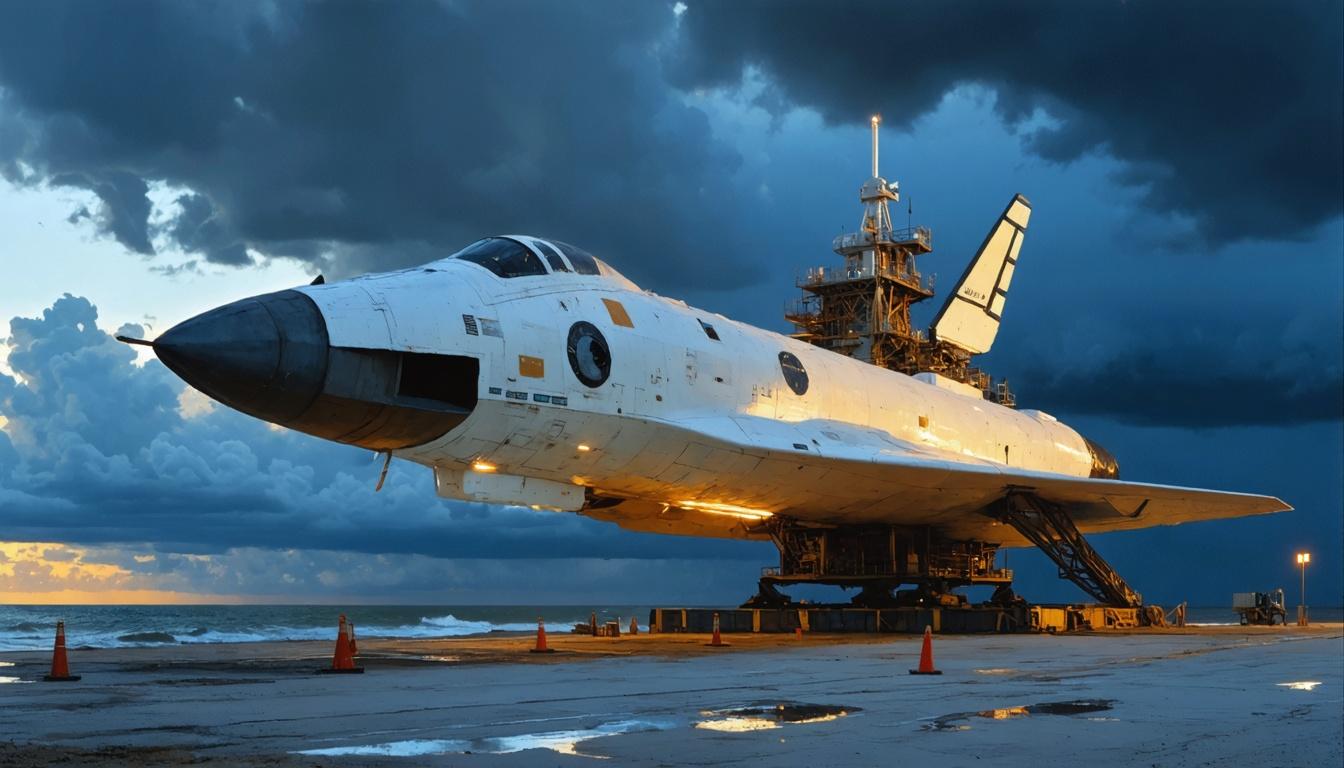

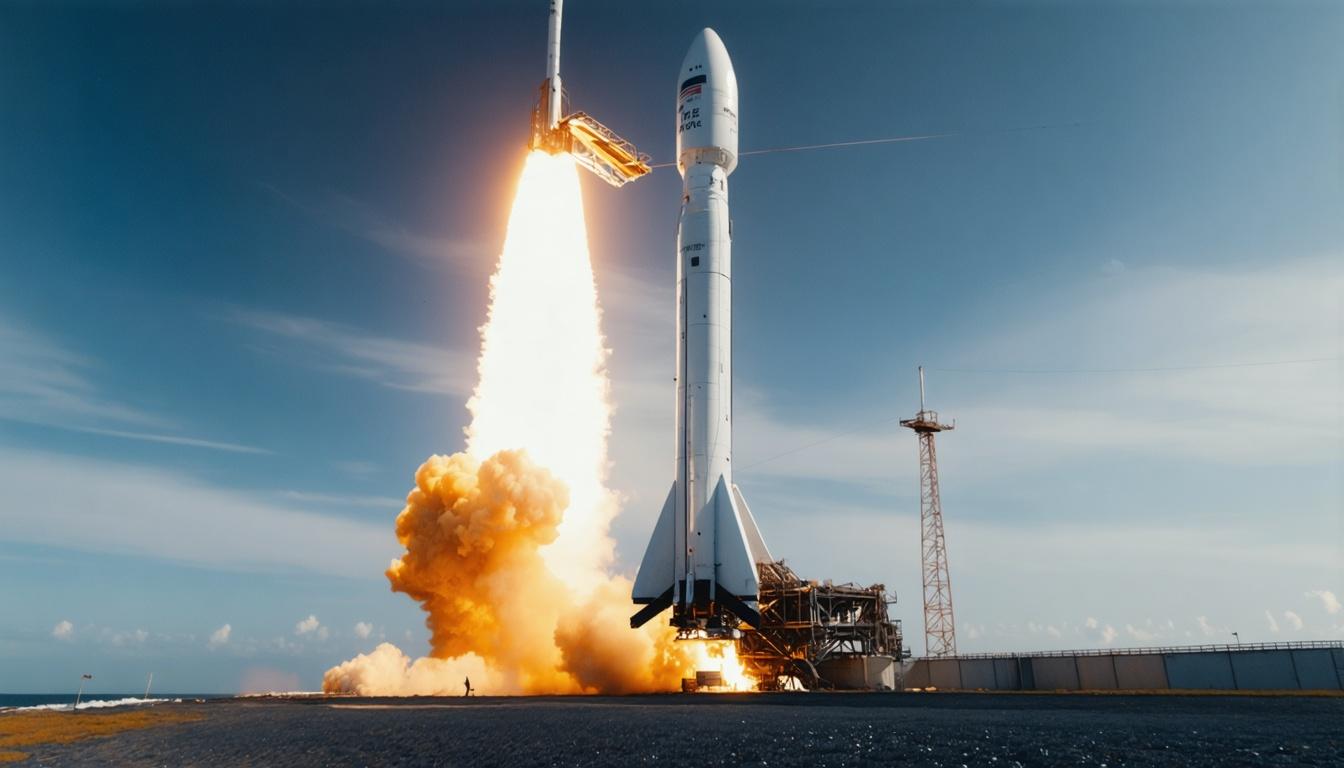
*this image is generated using AI for illustrative purposes only.
SpaceX's record initial public offering (IPO) on June 12, 2026, has reignited debate about a broader recovery in the technology IPO market, offering a potential liquidity path for private equity firms. The aerospace company priced its IPO at $135 per share, raising $75 billion, with shares closing nearly 19% higher on the first day of trading. The debut valued SpaceX at approximately $2.3 trillion after underwriters exercised their full overallotment option, making it more valuable than Tesla. This event follows a three-year period where rising interest rates forced firms to rely on continuation funds and secondary transactions.
Starlink Drives Profitability and Growth
While SpaceX is historically known for reusable rockets, its financial profile is increasingly defined by Starlink. The satellite internet division generated $11.4 billion in revenue in 2025, a 48% year-over-year increase, accounting for 61% of total company revenue. By Q1 2026, Starlink's revenue share climbed to 69%. Crucially, Starlink is the only profitable segment, reporting $4.42 billion in operating income in 2025, while the rocket business and AI division recorded losses. Analysts project Starlink revenue could reach $15.5 billion in 2026.
SpaceX has expanded its scope beyond launches by absorbing xAI earlier this year, folding Elon Musk's AI venture into its structure to support orbital data centers starting as early as 2028. However, execution risks remain, particularly with the Starship program, which completed only five flights in 2025 against a target of 25.
Market Performance and Investor Sentiment
The successful SpaceX debut has improved sentiment across private markets. According to Forge Global's June Private Market Update, the firm's equal-weighted index gained 11.7% in May, while its capitalization-weighted benchmark climbed 12.6%, outperforming the S&P 500 and Nasdaq-100. Buy-side indications of interest accounted for 71% of activity on Forge's marketplace in May, the sixth consecutive monthly increase.
| Index | Performance in May |
|---|---|
| Forge Private Market Index (Equal-weighted) | 11.7% |
| Forge Private Market Index (Cap-weighted) | 12.6% |
Valuation and Future Catalysts
Despite the enthusiasm, SpaceX's valuation and projections face scrutiny. The company reported a nearly $5 billion GAAP loss in 2025 and plans up to $119 billion in capital spending. Underwriters Goldman Sachs and Morgan Stanley have issued aggressive forecasts, with Morgan Stanley projecting revenue could reach $3.4 trillion in 2040. For context, SpaceX revenue in 2025 was approximately $18.7 billion.
Looking ahead, SPCX is set to join the Nasdaq-100 on July 7, 2026, an event analysts estimate could trigger roughly $4.3 billion in passive inflows. As of July 1, 2026, SPCX was trading at $170.86. Other private companies, including Anthropic and OpenAI, have reportedly filed confidential IPO paperwork, suggesting SpaceX may be the start of a sustained issuance cycle.

Will SpaceX's successful debut encourage other high-profile AI and tech firms like Anthropic and OpenAI to accelerate their public listings?
Can SpaceX maintain its valuation momentum given the significant execution risks associated with the Starship program and the massive $119 billion capital spending plan?
How will the integration of xAI and the development of orbital data centers impact SpaceX's cost structure and profitability beyond 2028?
 17
17











 Create Custom Screeners
  Access 200+ Pre-built Filters
  Use 50+ Readymade Screener





