

Copper hits record $14,533/tonne as mine supply falls 1.1% in H1


- LME copper hits record $14,533/tonne, up ~17% YoY
- Global mine output falls 1.1% in H1, first drop since 2017
- Chile posts weakest Q2 production in 19 years due to storms
- $250B capex needed by 2035 just to maintain current output
- Citigroup forecasts $15,000/ton by year-end

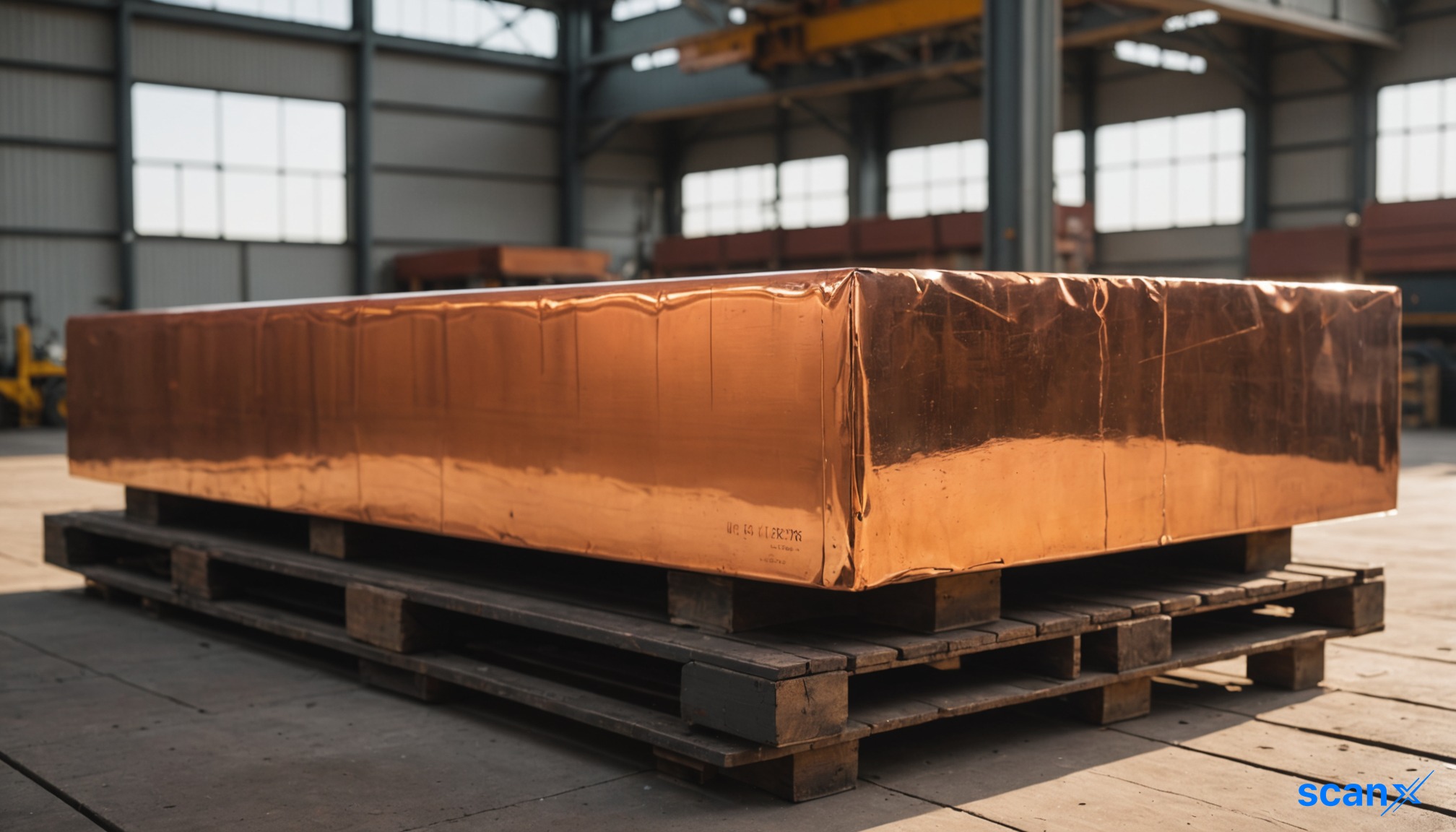

*this image is generated using AI for illustrative purposes only.
Copper prices reached a fresh all-time high of $14,533 per metric ton on the London Metal Exchange (LME), driven by a deep-seated mismatch between constrained supply and long-term electrification demand.
Record price level on LME
The LME benchmark three-month futures price climbed to this peak, marking a historic milestone for the base metal. The rally has lifted prices about 17% over the past year. While inventory flows and speculative positioning around looming U.S. tariffs on refined imports have kept headlines active, the primary driver remains underground operational issues.
The following table captures the key price data:
| Parameter | Details |
|---|---|
| Commodity | Copper |
| Exchange | London Metal Exchange (LME) |
| Price level | $14,533 per metric ton |
| Price status | Record high |
| YoY Change | Up ~17% |
Aging Mines and Slumping Output
Global copper mine production declined 1.1% in the first half of the year, according to the International Copper Study Group (ICSG). This raises the prospect of the first annual supply contraction since 2017. Morgan Stanley, which entered the year expecting growth, now sees output little changed or slightly lower.
Chile, accounting for roughly a quarter of global mined output, posted its weakest second-quarter production in at least 19 years. Severe winter storms, port closures, and declining ore grades hampered operations. August export values slumped 14% from July to $4.62 billion, the lowest monthly tally in more than a year, despite average prices running more than 40% above year-earlier levels.
Leading operators including Codelco and Freeport-McMoRan Inc. registered double-digit production declines amid accidents, weather events, and aging assets.
What the Numbers Show
The friction between mining and smelting sectors is intensifying. While mine supply is flat or declining, smelting capacity continues to expand, particularly in Asia. This drives competition for scarce concentrate, pushing refining charges toward zero or even negative levels. Morgan Stanley expects refined output to rise about 0.9% even with flat mine supply, masking the severity of upstream constraints.
The Runaway Capex
Structural pipeline deficits compound the problem. Sharp cuts to mining investment after the commodity downturn a decade ago left a thin project pipeline. Lengthy permitting means meaningful new mine supply is unlikely before 2030.
Veteran investors cite $250 billion in 2025 U.S. dollars required merely to keep ongoing production stable by 2035. This sum potentially climbs over $400 billion in the 2030s. This funding is needed just to maintain current production levels, which are already in deficit.
Analyst Forecasts
Citigroup analyst Tom Mulqueen forecasts $15,000 a ton by year-end. He notes potential for roughly $17,000 if manufacturing recovers or energy-transition and data-center demand proves stronger than expected.

How might the potential implementation of U.S. tariffs on refined copper imports impact global supply chains and domestic manufacturing costs?
What specific policy changes or incentives could governments introduce to accelerate the lengthy permitting process for new copper mines before 2030?
Could the negative refining charges force a consolidation in the smelting sector, and how would that affect downstream aluminum and steel industries?
 19
19










 Access Market Heat-map & Insights
  Create, Save & Share your Screener
  Use 200+ Screening Filters





