

Mercury EV-Tech FY26 Results: Net profit falls 43% to ₹43.8 crore


- Consolidated net profit fell 43% YoY to ₹438.75 lakh despite 14% revenue growth
- Standalone revenue contracted 33% to ₹452.72 crore due to lower operational output
- Employee benefits and depreciation expenses rose 94%, pressuring margins
- Inventories surged 64% to ₹714.98 crore, signaling working capital intensity
- No dividend declared; auditors appointed for three-year term

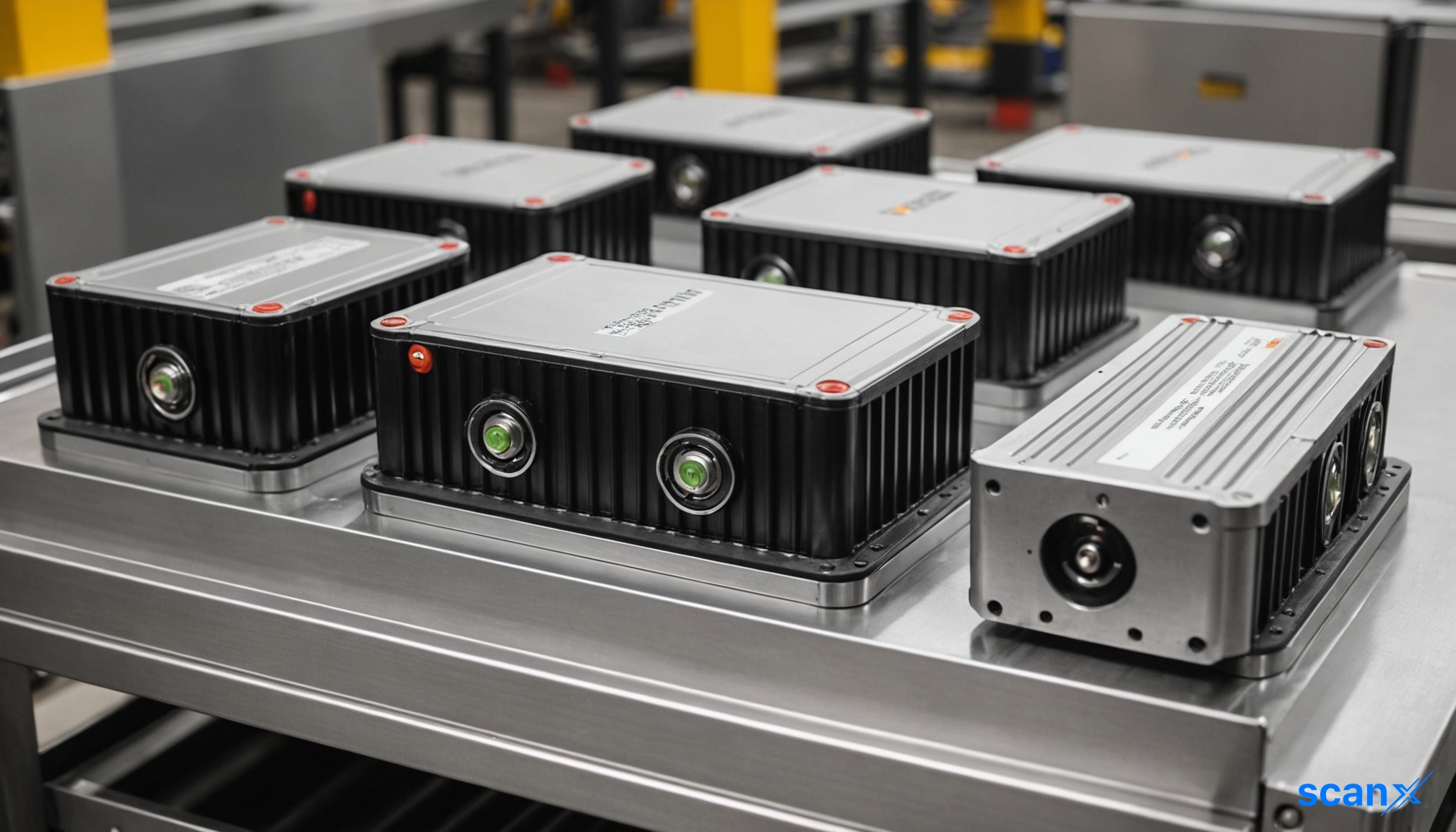

*this image is generated using AI for illustrative purposes only.
Mercury EV-Tech reported a 43% decline in consolidated net profit to ₹438.75 lakh for FY26, despite a 14% rise in revenue to ₹1,020.73 crore. The standalone segment saw a sharper contraction, with net profit falling 56% to ₹283.12 lakh as operational costs outpaced top-line growth.
The company’s consolidated revenue from operations increased from ₹896.36 crore in FY25 to ₹1,020.73 crore in FY26. However, total expenses rose by 22% to ₹1,013.45 crore, driven primarily by a 94% jump in employee benefit expenses and a 94% increase in depreciation charges. This cost inflation compressed the consolidated net profit margin to 4.3%, down from 8.6% in the previous year.
Financial Performance
| Metric | FY26 (₹ Lakh) | FY25 (₹ Lakh) | Change |
|---|---|---|---|
| Revenue from Operations | 1,020.73 | 896.36 | +14% |
| Total Expenses | 1,013.45 | 831.48 | +22% |
| Profit Before Tax | 65.92 | 99.43 | -34% |
| Net Profit | 43.88 | 76.97 | -43% |
On a standalone basis, revenue from operations contracted 33% to ₹452.72 crore from ₹676.43 crore. Standalone total expenses fell 24% to ₹460.34 crore, but the reduction was insufficient to offset the revenue drop, leading to a 49% fall in profit before tax to ₹42.70 crore.
What the Numbers Show
A significant divergence exists between the group’s revenue growth and its cash generation capabilities. While consolidated revenue grew by 14%, inventories surged by 64% to ₹714.98 crore, indicating aggressive stockpiling or slower movement of finished goods. Simultaneously, trade receivables rose by 35% to ₹520.53 crore. This dual expansion in working capital components suggests that the top-line growth is currently being funded by increased balance sheet leverage rather than immediate cash conversion.
Corporate Actions and Governance
The Board recommended no dividend for FY26, opting to plough back profits for future growth. The company also announced the appointment of M/s Tejas K. Soni as statutory auditors for three consecutive financial years, filling a casual vacancy left by M/s M Sahu & Co. Additionally, shareholders approved material related party transactions with subsidiaries including DC2 Mercury Cars Private Limited and Powermetz Energy Private Limited, with an aggregate limit of ₹200 crore per annum for FY27.
The Secretarial Audit Report highlighted a qualification regarding the non-filing of Form MGT-14 for special resolutions passed via postal ballot in June 2025. Management stated this was an inadvertent omission and confirmed steps for regularization.
Historical Stock Returns for Mercury EV-Tech
| 1 Day | 5 Days | 1 Month | 6 Months | 1 Year | 5 Years |
|---|---|---|---|---|---|
| -2.91% | -4.29% | -4.16% | +2.57% | +2.57% | +2.57% |

How will the 64% surge in inventory impact Mercury EV-Tech's cash flow and liquidity in the upcoming quarters if sales velocity does not accelerate?
What specific operational strategies is management implementing to control the 94% spike in employee benefit expenses relative to revenue growth?
Will the approved ₹200 crore related party transaction limit with subsidiaries like DC2 Mercury Cars lead to vertical integration benefits or increased consolidation risks?
 19
19







 Access 50+ Readymade Screeners
  Use 200+ Custom Filters
  Get Full Market Insights





