

CDA updates supplier database to aid domestic copper sourcing


The Copper Development Association Inc. has refreshed its Copper Alloy Supplier Database to assist professionals in locating domestic suppliers for copper and copper alloy semi-finished products. The tool supports searches by alloy designation and product form, catering to engineers and procurement teams navigating new U.S. critical mineral designations and Build America, Buy America regulations. While the database lists suppliers with facilities in the United States and Canada, it serves as a starting point for identification rather than a certification of regulatory compliance.



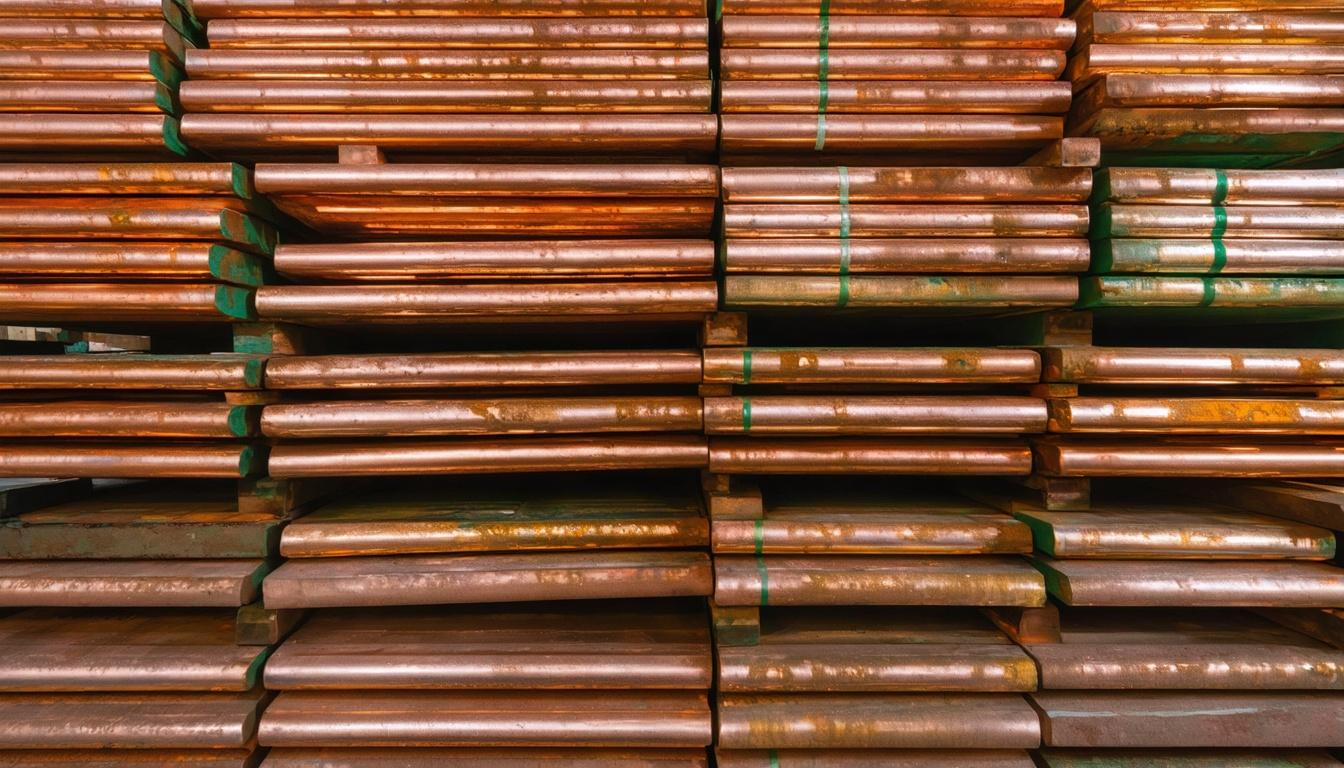
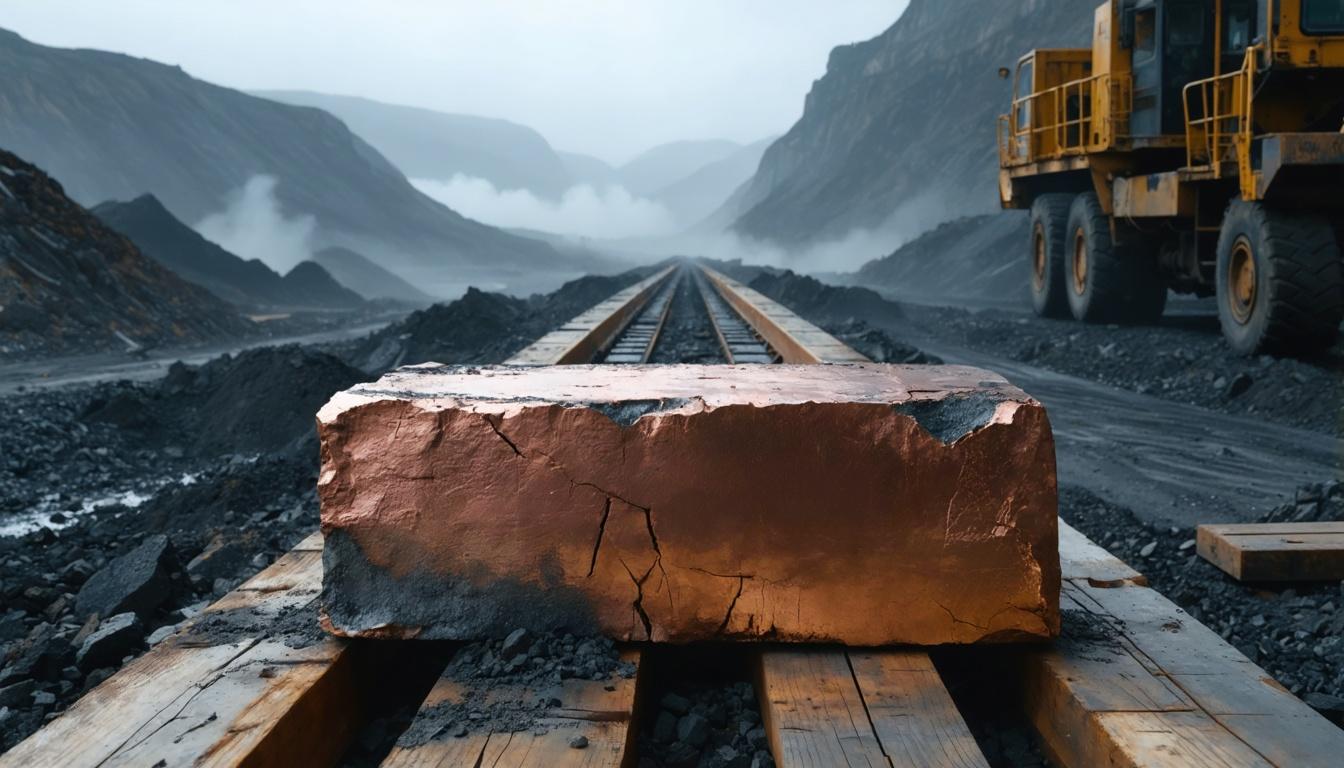
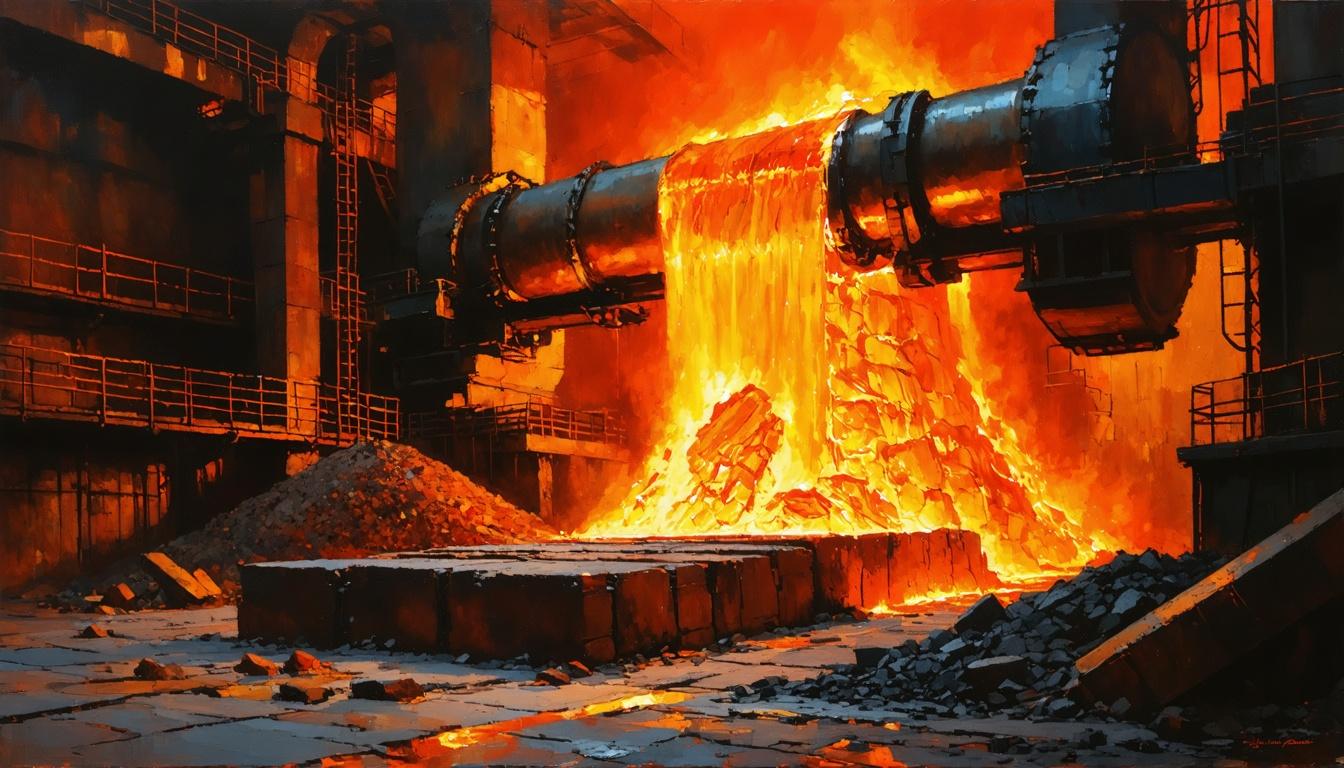
*this image is generated using AI for illustrative purposes only.
The Copper Development Association Inc. (CDA) has updated its Copper Alloy Supplier Database, a centralized resource designed to help engineers, manufacturers, specifiers, and procurement teams identify sources for copper and copper alloy semi-finished products by alloy designation and product form.
The update comes as U.S. trade and infrastructure policies place greater focus on domestic sourcing requirements. Copper was added to the U.S. Geological Survey’s final 2025 List of Critical Minerals, increasing attention on its role in domestic supply chains. Additionally, the Build America, Buy America (BABA) act applies domestic-content requirements to covered federally assisted infrastructure projects, while Section 232 trade actions apply tariffs to certain imported copper articles and derivatives.
"With copper now designated an official U.S. Critical Mineral and trade and Buy America policies putting more attention on domestic supply, manufacturers need a practical way to find U.S. sources of semi-finished copper and copper alloy feedstocks," says Adam Estelle, President & CEO, CDA.
How the Database Works
The updated database allows users to search by alloy designation and product form, including wire, sheet, bar, tube, and rod. Users can also filter results by supplier type, such as fabricators or metal service centers, and access direct contact information for relevant CDA member companies.
CDA member suppliers represented in the database have production facilities in the United States and Canada. This structure allows users to identify U.S.-based options when domestic sourcing is required and broader North American options when it is not. However, the database does not determine whether a supplier or product satisfies a particular project’s sourcing rules; users must contact suppliers directly to confirm availability, origin, and project-specific requirements.
From Alloy Selection to Qualified Suppliers
CDA pairs the supplier resource with its Copper Alloy Database, which provides technical information on alloy chemistry, mechanical properties, fabrication characteristics, thermal properties, and common applications. In practice, an engineer can use the alloy database to evaluate and select an appropriate material, then move to the supplier database to identify CDA member suppliers associated with that alloy and product form.
Unlike general web searches, the CDA resource focuses on member companies identified as producing or supplying the listed alloys. The purpose is to reduce irrelevant results and provide a pre-competitive, authoritative starting point from which users can conduct their own supplier qualification and sourcing review.
Data Maintenance
The latest update included a review of supplier listings, member-company contacts, and alloy offerings by UNS designation. Supplier details and alloy offerings are provided and updated by CDA member companies. Material-property information in the companion copper alloy database is based on established data and aligned with industry standards, including ASTM (American Society for Testing and Materials) and SAE (Society of Automotive Engineers).
CDA is inviting engineers, procurement personnel, and other users to explore the updated resource and provide feedback as the association continues to maintain its supplier and alloy information.

How might the inclusion of copper in the 2025 Critical Minerals list influence future federal funding allocations for domestic refining and fabrication capacity?
What potential supply chain bottlenecks could emerge for U.S. infrastructure projects if domestic semi-finished copper production cannot scale fast enough to meet BABA requirements?
How are international competitors likely to respond to Section 232 tariffs on copper articles, and could this accelerate the development of alternative non-copper conductive materials?
 17
17











 Access 50+ Readymade Screeners
  Use 200+ Custom Filters
  Get Full Market Insights





