

Solar makers face copper-silver deficit loop as costs rise


Solar panel manufacturers shifting to copper to cut costs face supply shortages as copper output falls, while silver supply remains constrained by base-metal mining.


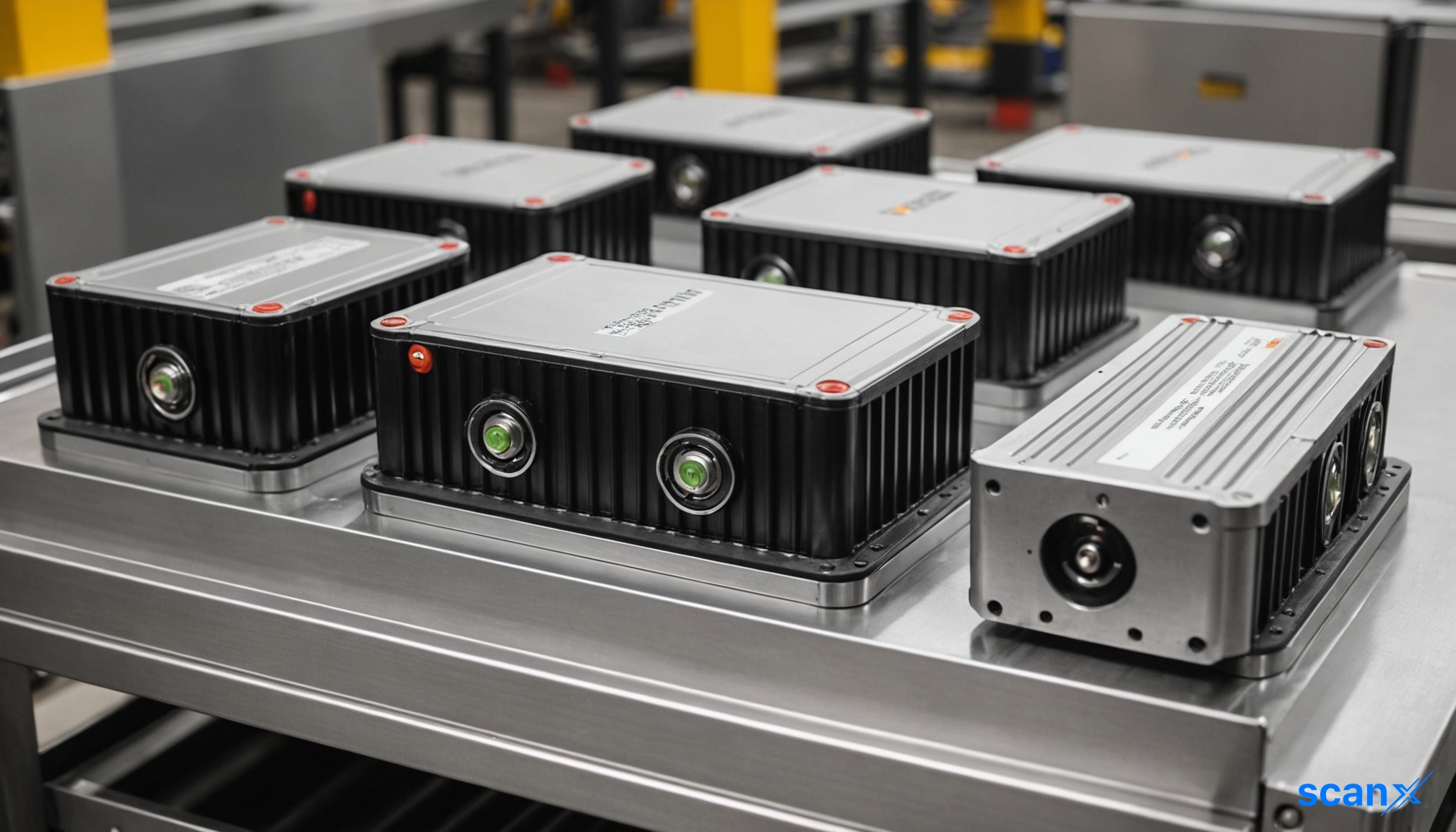
*this image is generated using AI for illustrative purposes only.
The solar industry’s drive to cut costs by replacing silver with copper is colliding with a bottleneck in the metals market, as both commodities face significant supply constraints. High-efficiency panel makers are adopting copper-based alloys to escape volatile silver prices, but copper itself is becoming scarce due to depleting mines and operational setbacks in Chile, the world’s top producer. This shift exposes manufacturers to a closed-loop trap where constrained copper output limits byproduct silver supply, preventing the industry from severing ties to mining shortages.
The Copper Paradox
China’s largest solar manufacturer, Longi Green Energy, has started production at a 21-gigawatt back-contact cell line in Shaanxi. The facility utilizes Alloy Contact Matrix (ACM) technology to replace conventional silver paste with a copper-based alloy contact system. Longi described the plant as a key milestone in large-scale implementation of next-generation cell technology. The company states that ACM cells have achieved 27.6% conversion efficiency, certified by Germany’s Institute for Solar Energy Research Hamelin, while modules have reached 672 watts in TÜV Rheinland tests.
The primary commercial motivation is cost reduction, as silver paste remains a major non-silicon expense in high-efficiency back-contact cells. Although silver’s spot price has cooled significantly—down over 50% from its all-time high of $121.64 per ounce to around $58 per ounce—manufacturers prioritize insulation against sharp price swings and multi-year supply shortfalls over current pricing. The iShares Silver Trust ETF (NYSE: SLV) reflects this volatility, down about 20% year-to-date despite tightening physical inventories.
Chile’s Supply Strain
Copper supply is under severe pressure, even before accounting for increased demand from electrification-driven substitution. Codelco, the world’s largest copper producer, is servicing approximately $25 billion in debt after output slid to a 28-year low. New Chairman Bernardo Fontaine emphasized a strategic shift toward returns over sheer volume, noting that results have been weak and production has fallen below estimates for the past seven years.
May figures illustrate the extent of the stress across major Chilean mines:
| Producer | Output Change | Volume (Tons) |
|---|---|---|
| Codelco | -18.3% | 106,300 |
| Escondida (BHP Group Limited) | -17.6% | 108,800 |
| Collahuasi | -19.3% | 31,000 |
Severe winter storms have further exacerbated risks, threatening mines, ports, and transport routes in a country responsible for nearly a quarter of global mined copper supply. The stress on the industrial metal is evident in market prices, with copper hitting an all-time high of $6.67 per pound in June before easing to around $6.32. The Global X Copper Miners ETF (NYSE: COPX) has risen 7.75% year-to-date and 77.54% year-over-year.
The Closed-Loop Trap
The substitution strategy faces structural limits because approximately 70% of silver is mined as a byproduct of copper, lead, zinc, and gold. Consequently, silver mine supply cannot independently respond to higher prices; it is bound to base-metal economics. Constrained copper output drags down byproduct silver supply, meaning the pivot to copper cannot independently resolve the silver squeeze it was designed to alleviate.
Evidence of this supply squeeze is mounting. COMEX registered silver holdings have fallen more than 75% from their 2020 peak to 79.9 million ounces. The Silver Institute projects a sixth consecutive annual deficit of 46.3 million ounces in 2026, with a cumulative shortfall of roughly 762 million ounces since 2021. While solar silver demand is forecast to fall 19% in 2026 to about 151 million ounces as copper metallization spreads, the transition merely moves the industry one link along the same constrained chain rather than solving the underlying scarcity.

If copper supply constraints persist through 2027, which alternative metallization technologies beyond copper-based alloys could solar manufacturers realistically scale to avoid both silver and copper dependencies?
How might Codelco's strategic pivot toward returns over volume under Chairman Fontaine reshape long-term copper supply contracts with solar panel manufacturers in China?
Could the projected sixth consecutive silver deficit trigger a structural repricing that makes copper metallization economically less compelling than current cost models suggest?
 19
19




 Access Market Heat-map & Insights
  Create, Save & Share your Screener
  Use 200+ Screening Filters





