

Musk recalls SpaceX seal testing amid regulatory friction


Elon Musk detailed how SpaceX captured seals for auditory testing at Vandenberg, citing it as evidence of regulatory friction. Federal records confirm the tests, while FAA models found minimal noise impact. SpaceX continues to face regulatory hurdles as it seeks approval for one million satellites for orbital data centers.



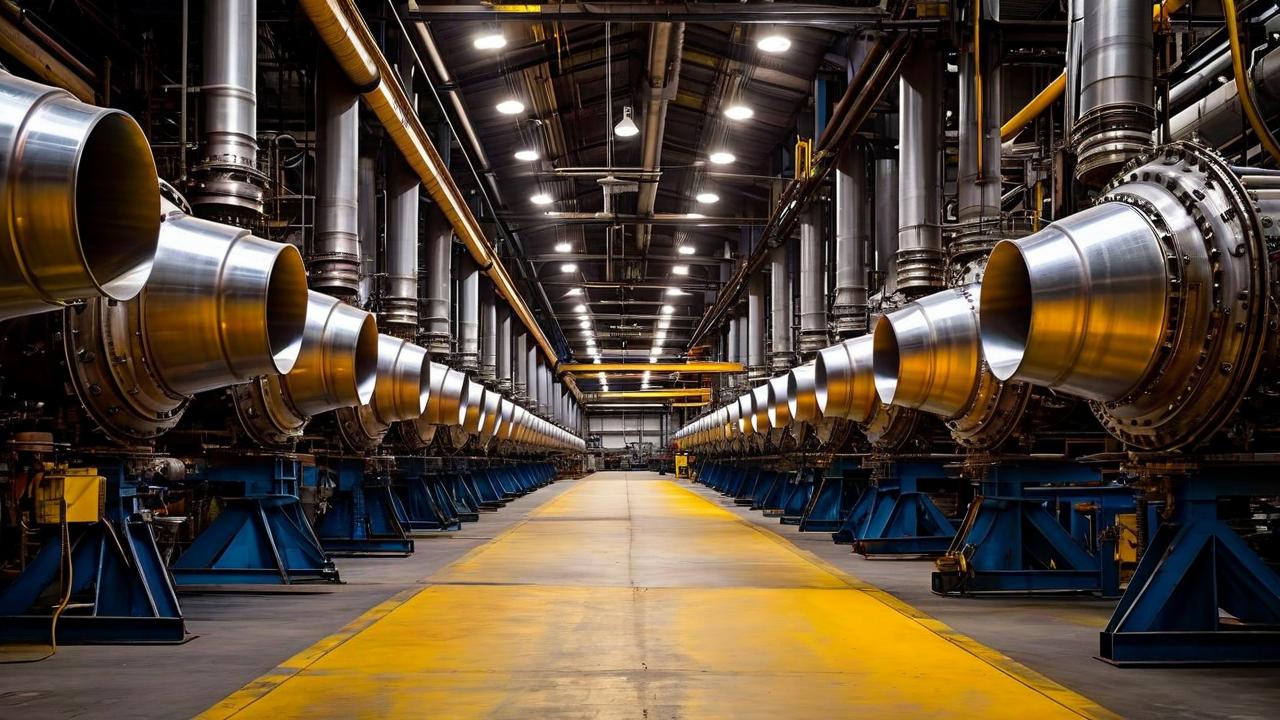
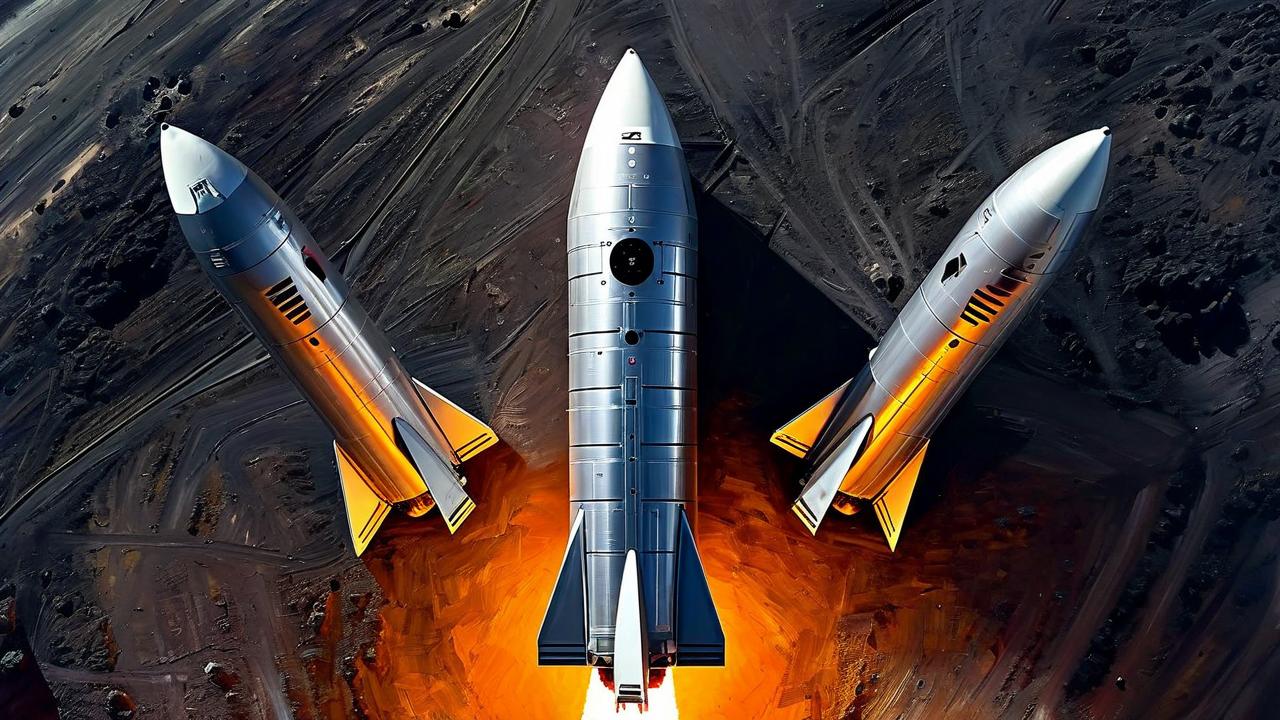
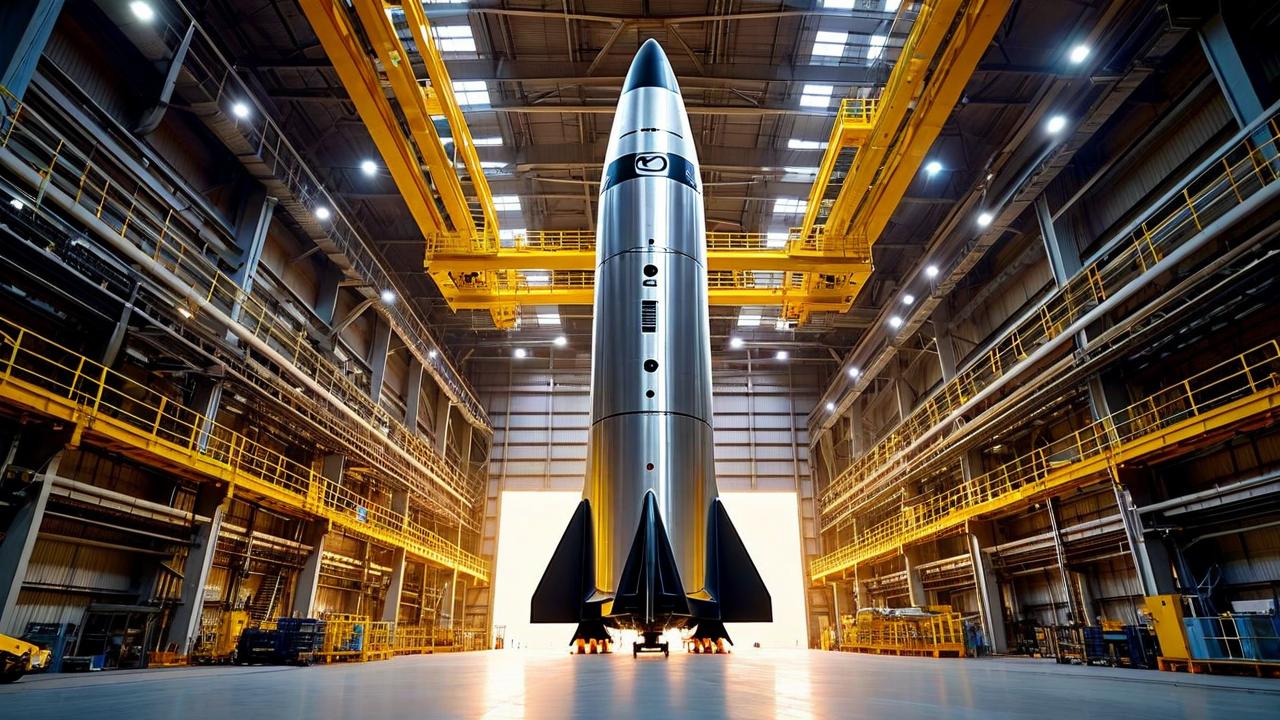
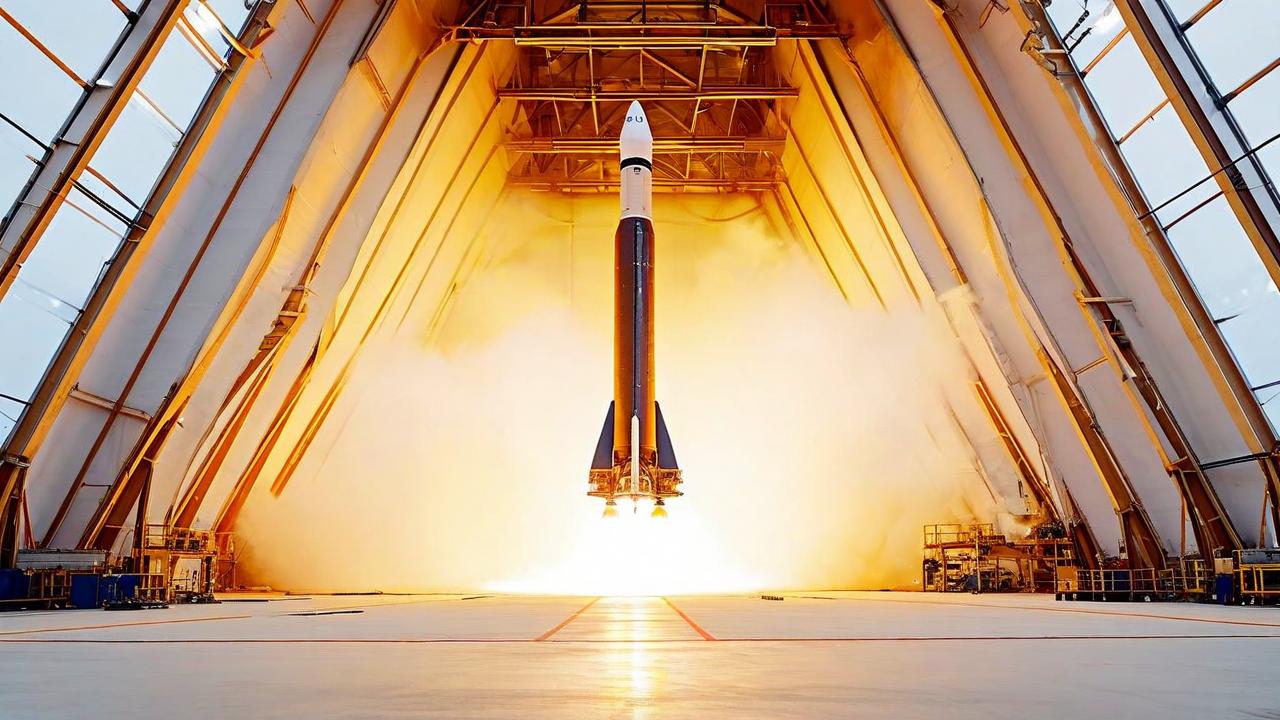
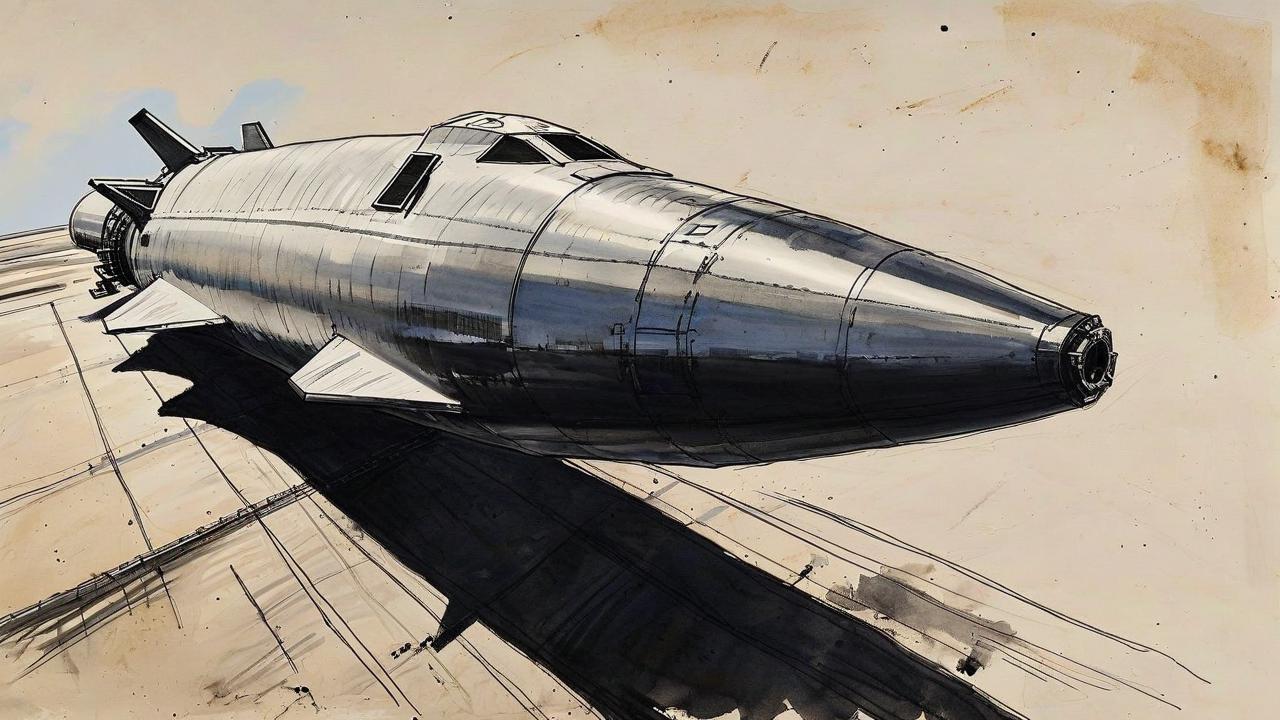
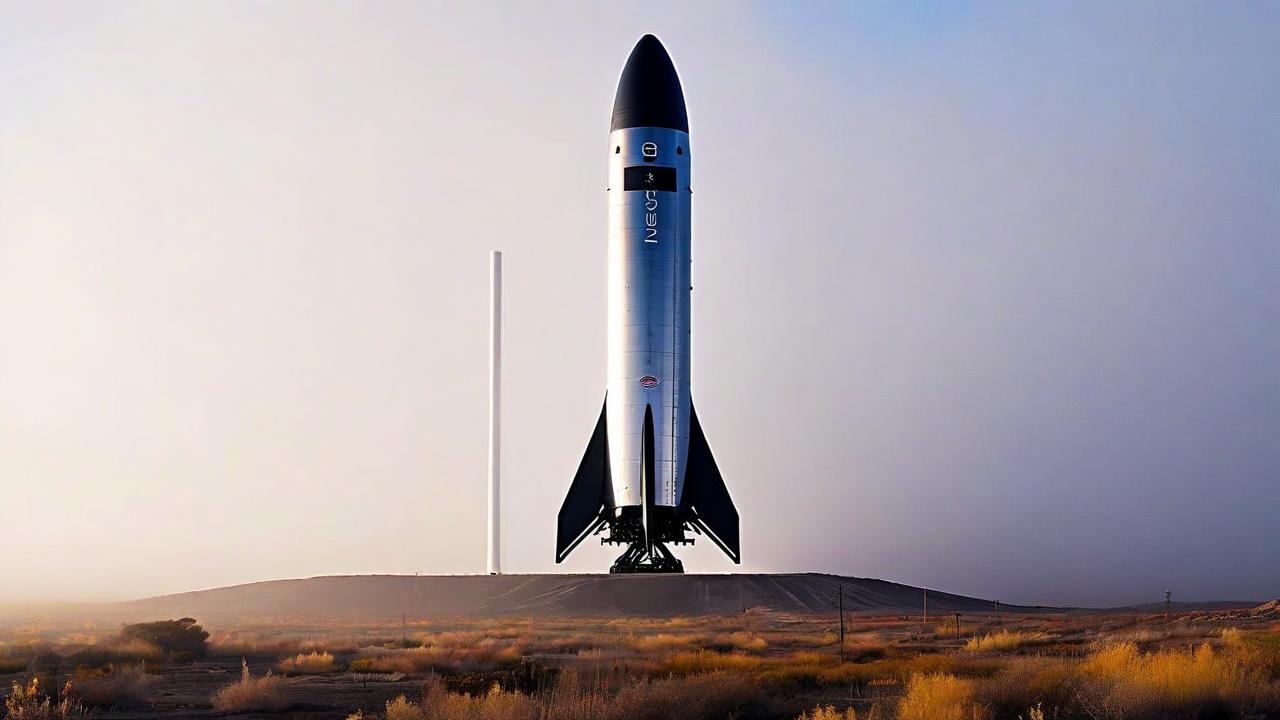
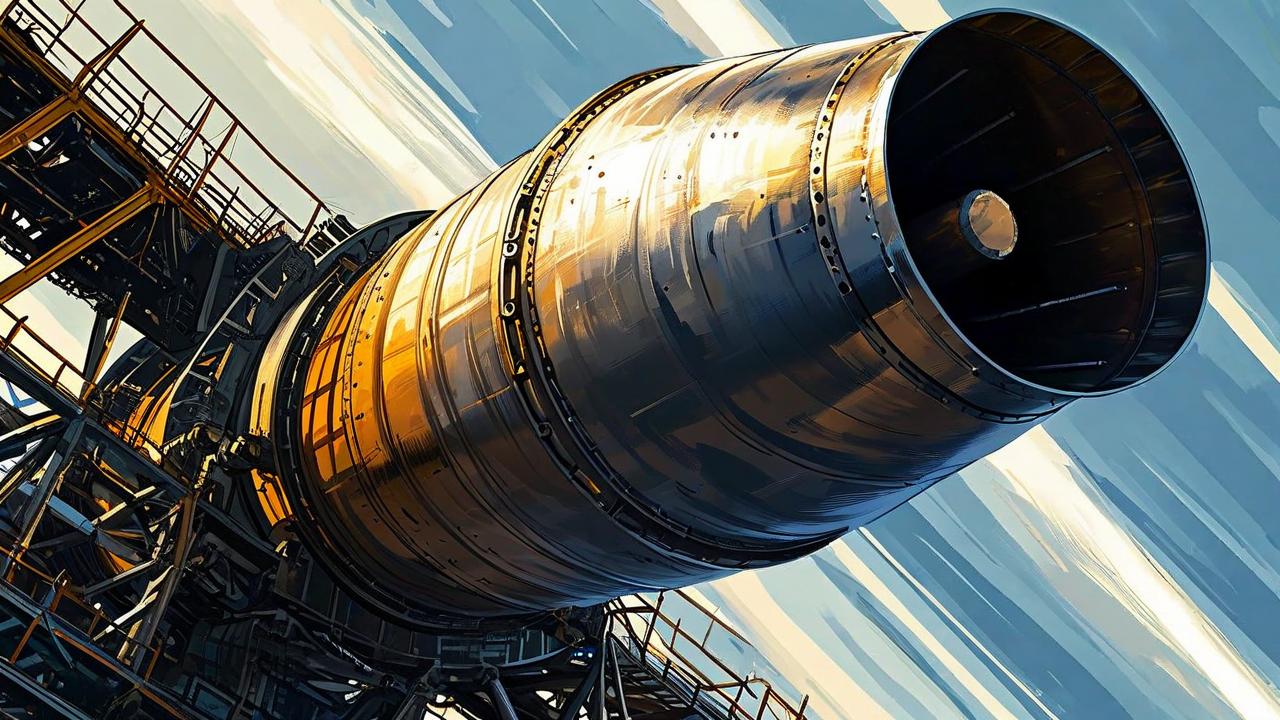
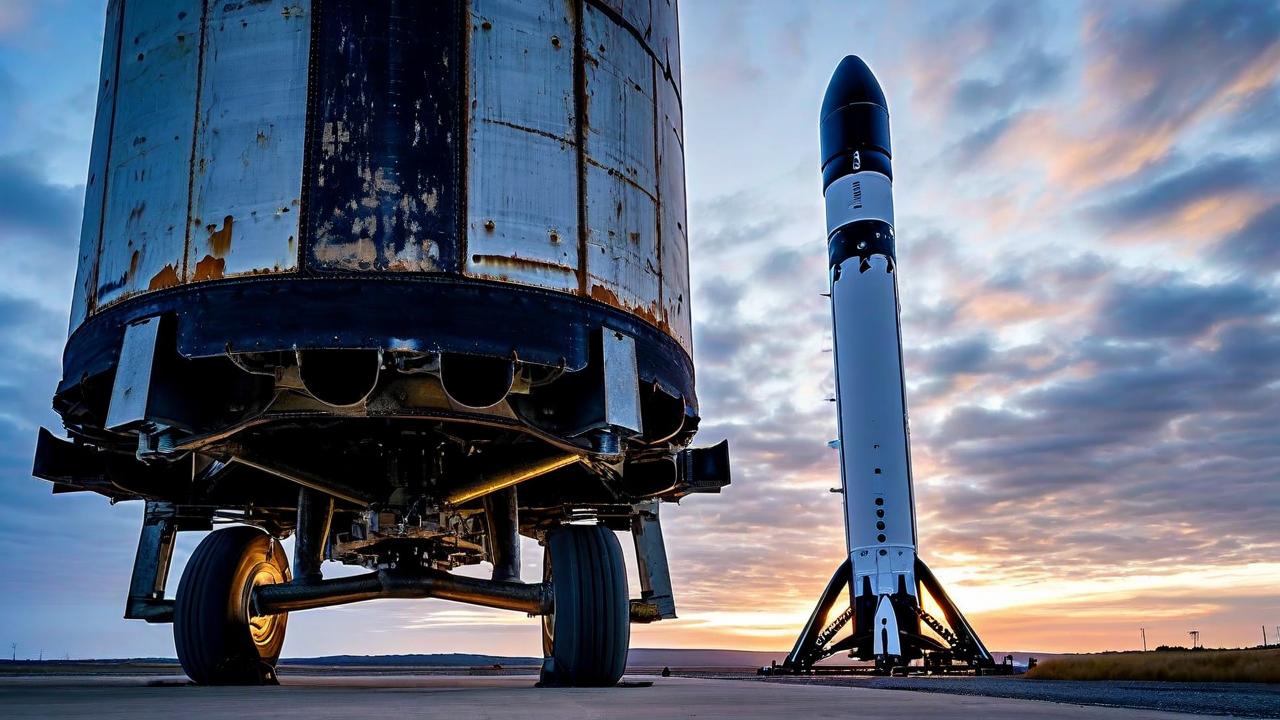
*this image is generated using AI for illustrative purposes only.
Elon Musk stated that Space Exploration Technologies Corp. (NASDAQ: SPCX) was required to capture and restrain harbor seals for sonic-boom testing at California’s Vandenberg launch site. Musk described the procedure, which involved strapping animals to boards and fitting them with headphones, as an example of regulatory friction surrounding rocket operations.
Musk Recalls Seal Testing Requirement
Musk narrated the incident during a November 2023 conversation with podcaster Lex Fridman. He claimed the team "kidnap[ped] a seal, strap[ped] it to a board, put headphones on the seal" and noted that he possessed photographic evidence of the event. Musk added that the process was repeated with a second seal, which remained calm during the procedure.
Federal Records Detail Vandenberg Tests
Federal documentation supports the existence of these tests, describing them in technical terms. National Oceanic and Atmospheric Administration (NOAA) records indicate researchers captured harbor seals at Vandenberg, restrained them on boards, and placed headphones over their ears for auditory brainstem-response tests. These tests measured hearing before and after launches.
The records note that seals sometimes fell asleep while restrained. Researchers played controlled clicks and tone bursts, then retested the animals post-launch. Earlier testing detected no temporary or permanent hearing shifts. Decades of monitoring found launch noise and sonic boom effects generally minimal and temporary.
The Federal Aviation Administration (FAA) separately modeled Falcon 9 sonic booms around Vandenberg and the Northern Channel Islands. The FAA concluded expected landing-related noise and overpressure would not create significant impacts.
Regulatory Disputes and Orbital Plans
SpaceX has continued battling California regulators over plans to increase Vandenberg launches. This dispute included a conflict with the California Coastal Commission that later produced a formal apology from a coastal regulator.
The episode aligns with Musk’s broader complaints about permitting as SpaceX pursues ambitious infrastructure. The company asked the Federal Communications Commission (FCC) this year to authorize up to one million solar-powered satellites for an "Orbital Data Center System." Musk argues that space can bypass terrestrial limits involving electricity, land, and cooling.
Reuters reported in June that Musk expects those AI satellites to rely heavily on existing Starlink V3 technology. SpaceX states Starship could eventually enable orbital AI data centers by launching the solar arrays, radiators, and processors needed to scale orbital computing.
What the Numbers Show
The source highlights a divergence between regulatory modeling and operational requirements. While FAA models concluded sonic booms would not create significant impacts, NOAA records confirm that physical restraint and auditory testing of live seals were conducted. This suggests that despite favorable noise modeling, regulatory bodies required direct biological verification of hearing impacts before or after launches.

How might the public controversy surrounding seal testing influence SpaceX's future regulatory negotiations with NOAA and the California Coastal Commission?
Could the requirement for direct biological verification of sonic boom impacts lead to increased operational delays or costs for other launch providers at Vandenberg?
Will SpaceX's proposed 'Orbital Data Center System' face similar regulatory friction regarding environmental or biological impacts in low Earth orbit?
 19
19




 Create Custom Screeners
  Access 200+ Pre-built Filters
  Use 50+ Readymade Screener





