

Musk's SpaceX stake valued at $906.9B with 48.4% ownership


Elon Musk holds a 48.4% passive stake in SpaceX, valued at $906.9 billion, while retaining over 82% of voting power. The filing details his holdings across Class A and B shares and trusts. Musk noted that some shares vest only on specific performance outcomes.

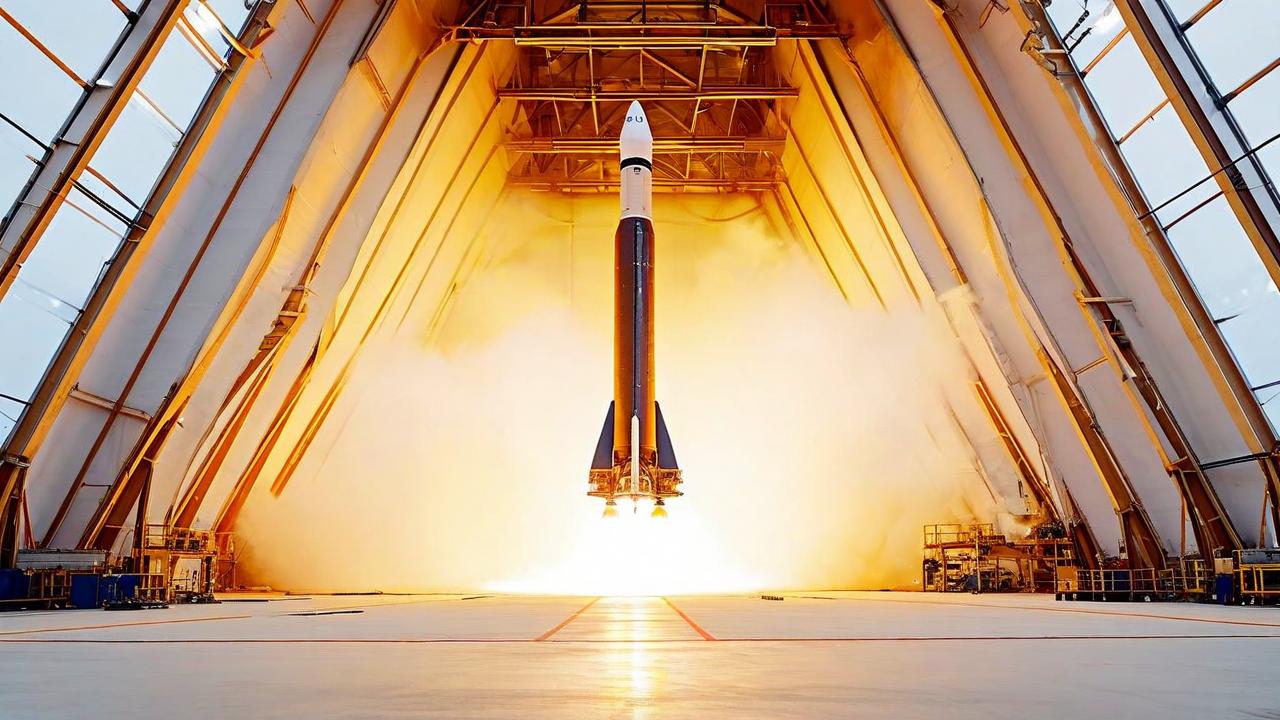

*this image is generated using AI for illustrative purposes only.
Elon Musk’s stake in Space Exploration Technologies Corp (NASDAQ: SPCX) is valued at nearly $906.9 billion based on the company’s latest share price, according to a regulatory filing revealing his 48.4% passive ownership as of June 30.
The disclosure outlines that Musk holds sole voting and dispositive power over 6.42 billion shares. This includes approximately 849.5 million Class A shares held through trusts where he serves as trustee, 3.92 billion Class B shares held by those trusts, 1.30 billion restricted Class B shares held directly, and options covering another 350 million Class B shares.
Voting Control vs Economic Interest
Despite holding less than half of SpaceX’s economic equity, Musk retains more than 82% of the company’s voting power. This structure ensures continued control over corporate decisions despite the dilution of economic ownership following the company’s public listing.
SpaceX went public on June 12 in a record-setting IPO that raised $85.7 billion, briefly pushing its market capitalization above $2 trillion. Shares closed at $141.29, down 3.33%, and were trading at $142.06, up 0.54%, overnight. Over the past month, SpaceX shares are up 3.83%.
Vesting Conditions
Musk clarified on X that not all disclosed shares are fully vested. "A bunch of it only vests on extremely crazy good outcomes for SpaceX, so actual full vested percentage is lower," he stated.
This distinction highlights a divergence between reported passive ownership and liquid economic value, contingent on future performance metrics defined in the equity agreements.
What the Numbers Show
The filing reveals a significant concentration of control relative to economic exposure. While Musk’s economic stake is 48.4%, his voting power exceeds 82%. This dual-class share structure allows him to maintain strategic direction even as economic ownership is diluted through public markets and employee compensation plans.

How might the divergence between Musk's 48.4% economic stake and 82% voting power influence institutional investor confidence in SpaceX's corporate governance?
What specific performance metrics or 'extremely crazy good outcomes' are likely tied to the vesting of Musk's unvested shares, and how could missing these targets impact his effective ownership?
Could the concentration of voting control in a single founder create regulatory scrutiny regarding antitrust concerns or national security interests given SpaceX's government contracts?
 20
20









 Create Custom Screeners
  Access 200+ Pre-built Filters
  Use 50+ Readymade Screener





