

SpaceX Terafab to invest $16.8 billion in Texas, create 3,000 jobs


SpaceX's Terafab project in Texas involves a $16.8 billion investment and 3,000 jobs, supported by a $30 million state grant. Analyst James Altucher views this as a key step in reducing US dependence on Taiwan for AI chips, citing the 90% sourcing concentration as a major economic vulnerability.



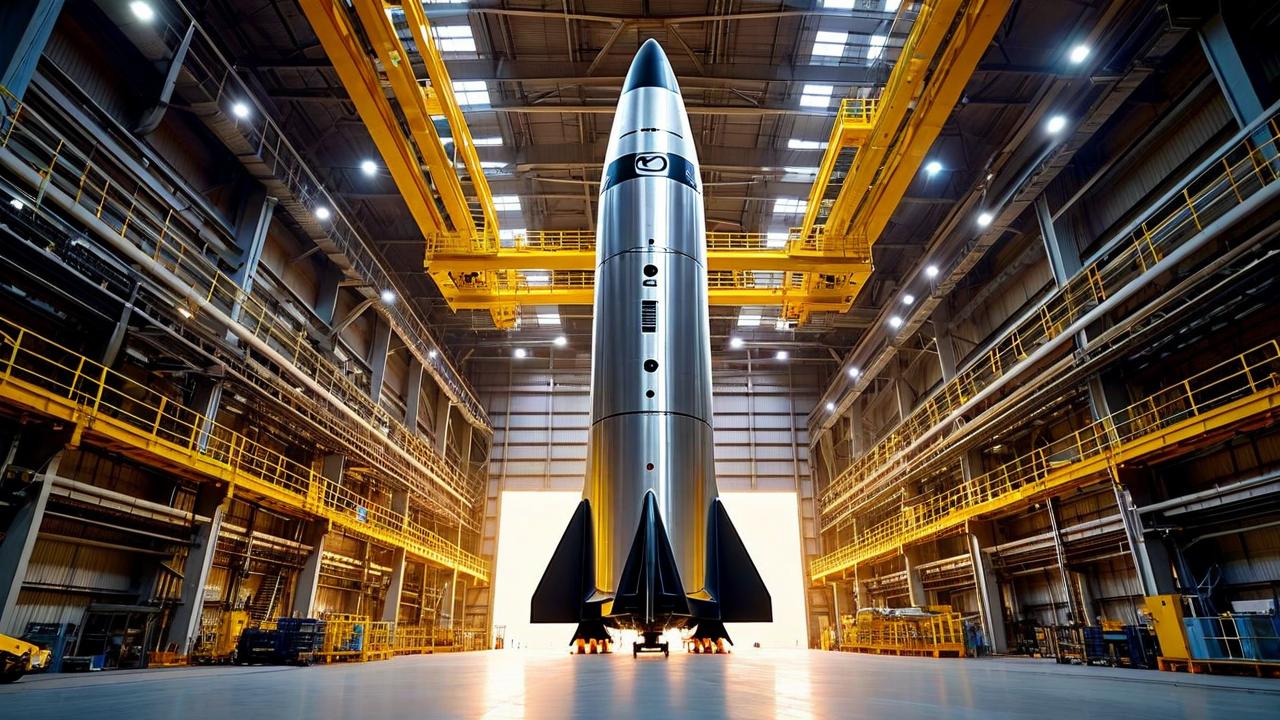
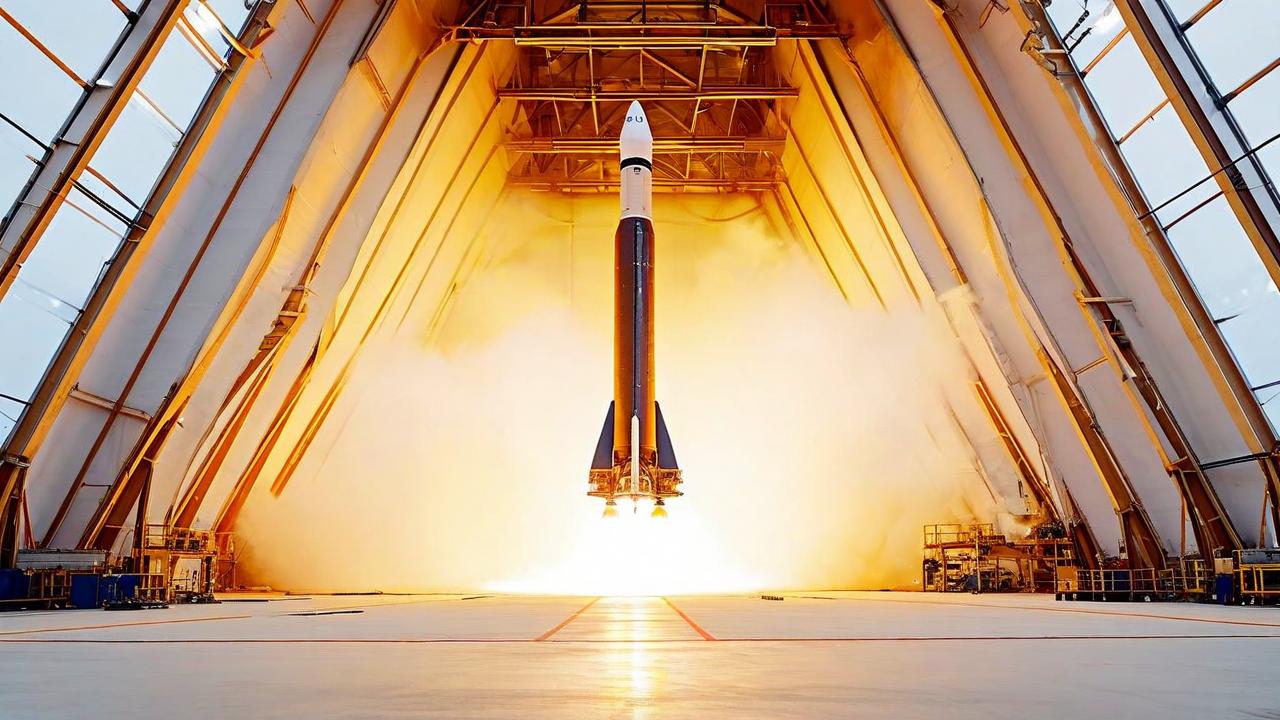
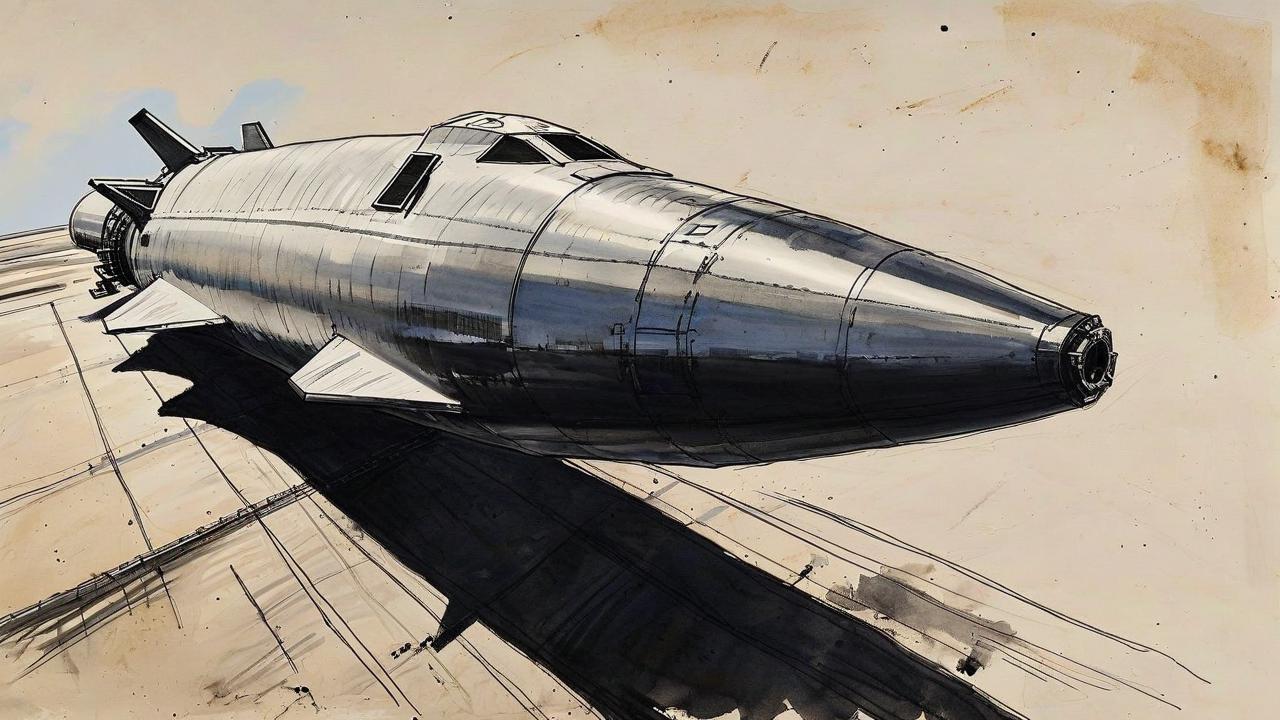
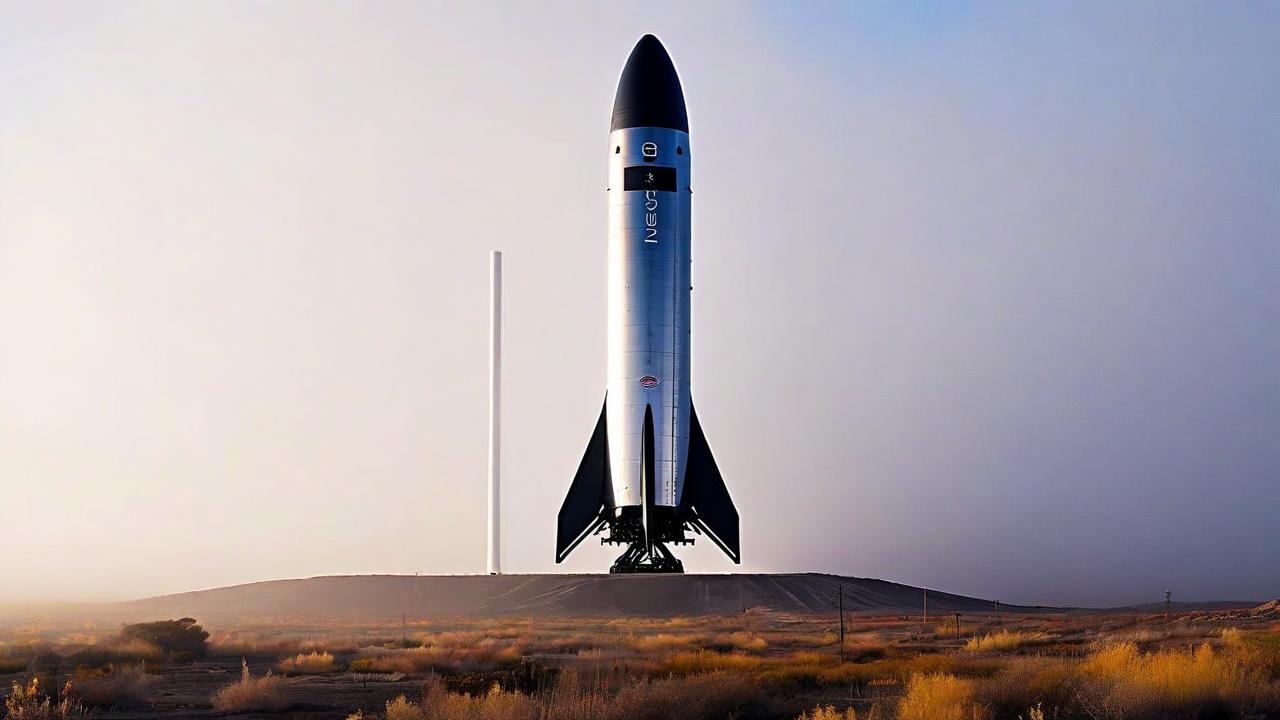
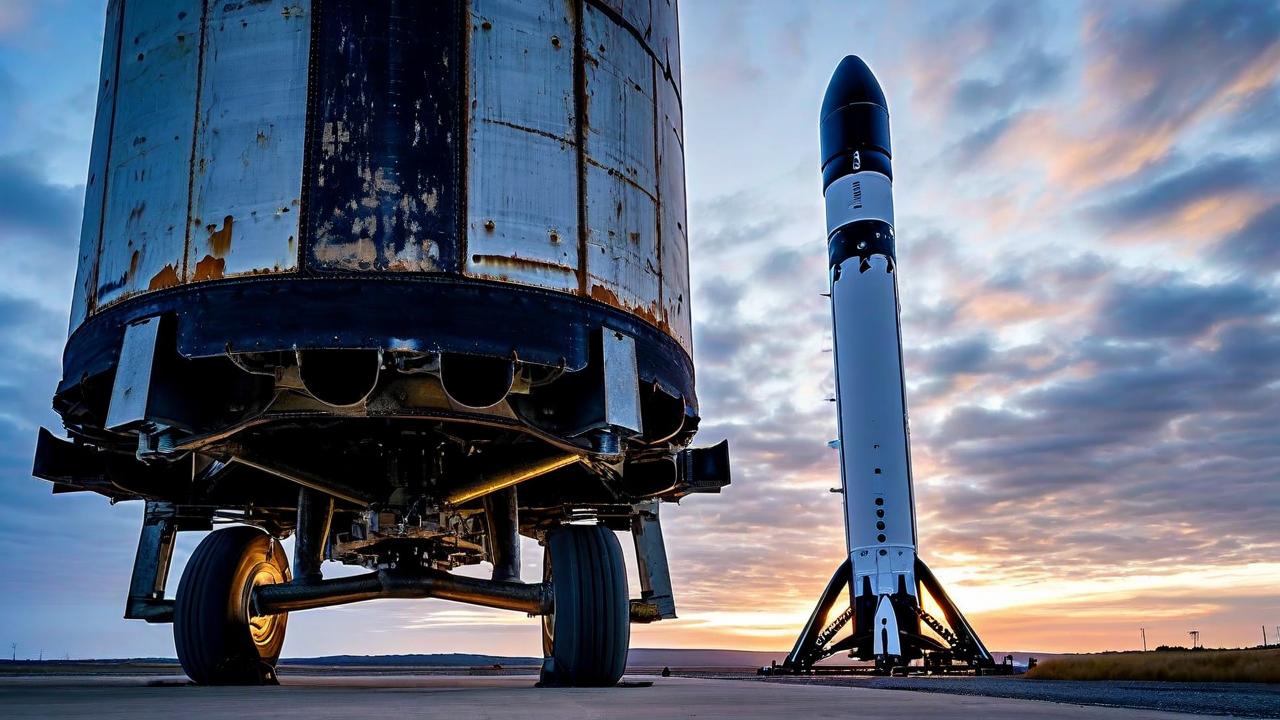
*this image is generated using AI for illustrative purposes only.
SpaceX announced the first phase of its Terafab project in Grimes County, Texas, on August 6, 2026. The initiative represents a $16.8 billion investment and will create 3,000 new jobs. The Texas Governor’s office confirmed the details, highlighting the scale of the manufacturing expansion.
The project is backed by significant public support, including a $30 million state grant and tax incentives from local school districts. James Altucher, a former hedge fund manager and author, argues that this government backing signals a national priority rather than a mere corporate side project. He views the development as part of a broader shift to strengthen domestic technology leadership.
Strategic Context
Altucher highlights a critical vulnerability in the current supply chain: over 90% of America’s AI chips are sourced from Taiwan. He describes this concentration as one of the most significant weak points in the economy. The Terafab project aims to address this dependency by expanding domestic chip production capabilities.
What the Numbers Show
The financial structure of the deal reveals a heavy reliance on private capital relative to public support. While the total investment stands at $16.8 billion, the direct state grant is $30 million. This indicates that the vast majority of the capital expenditure is being driven by SpaceX, with public funds serving as a catalyst rather than the primary source of financing. The creation of 3,000 jobs per $16.8 billion of investment suggests a high-capital-intensity model typical of advanced semiconductor manufacturing.
Broader Impact
Beyond the immediate job creation, Altucher notes that such large-scale projects generate demand for specialized suppliers and advanced equipment. He believes these supporting businesses represent an overlooked segment of America’s growing AI infrastructure. The Terafab project reinforces the commitment to expanding domestic chip production, potentially reshaping the country’s technology landscape for years to come.
| Metric | Value |
|---|---|
| Total Investment: | $16.8 billion |
| New Jobs: | 3,000 |
| State Grant: | $30 million |
| Location: | Grimes County, Texas |
The presentation by Altucher, published by Paradigm Press, frames this development as a historic shift in industrial policy. It underscores the intersection of Wall Street, technology, and venture capital in driving national infrastructure goals.

How will SpaceX's entry into semiconductor manufacturing impact the competitive dynamics between traditional chipmakers like TSMC and emerging domestic producers?
What specific regulatory or supply chain hurdles might delay the timeline for the Terafab to achieve full operational capacity in Grimes County?
Could the success of this public-private partnership model in Texas trigger similar large-scale infrastructure investments in other US states competing for tech manufacturing?
 19
19






 Create Custom Screeners
  Access 200+ Pre-built Filters
  Use 50+ Readymade Screener





