SpaceX shares rise 8% past $135 IPO price on Starlink subscriber growth

scanx
Reviewed by
Shriram SScanX News Team
Key Highlights

SpaceX shares surged past their IPO price as CEO Elon Musk revealed Starlink consumer subscribers grew to 13 million from 12 million in June. The stock gained 8.36% to $144.43, supported by strong launch cadence and the release of Grok 4.6 AI model.

powered bylight_fuzz_icon
48109149

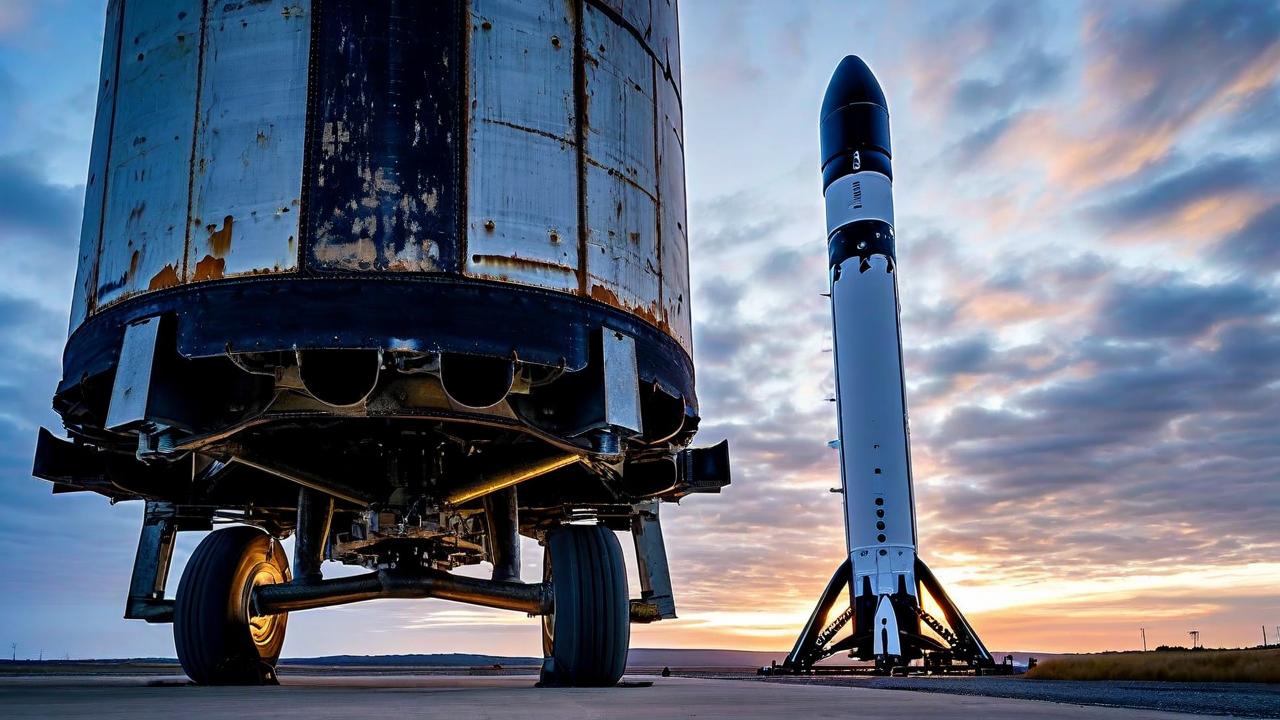
*this image is generated using AI for illustrative purposes only.

Space Exploration Technologies Corp (NASDAQ: SPCX) shares rose 8.36% to $144.43 on Wednesday, trading above its $135 IPO price. The stock opened at $135 and dipped to a low of $134.01 before rallying during the session.

CEO Elon Musk told employees late Tuesday that the company's Starlink service has passed 13 million consumer subscribers. This figure represents an increase from the 12 million subscribers SpaceX reported as of June 30. Musk also stated that Starlink supports about 22 million monthly Starlink Mobile users through partnerships with 36 mobile network operators, extending coverage into 167 markets.

What the Numbers Show

The growth in Starlink consumer subscribers from 12 million to 13 million indicates a gain of approximately one million users since the end of the second quarter. This subscriber expansion occurs alongside the broader user base of 22 million monthly mobile users, highlighting the dual revenue streams from direct consumer subscriptions and mobile network partnerships.

Launch and AI Developments

Musk highlighted that Falcon 9 and Falcon Heavy have deployed more than 90% of all mass placed into orbit worldwide. By September, the Falcon program is on track to reach its 700th total launch. A single booster is set to fly for the 37th time this month, extending the company's reusability record.

On Tuesday, SpaceX launched 29 Starlink satellites to low Earth orbit from Florida, followed by a launch of 24 Starlink satellites from California.

In early 2026, the company purchased xAI, which operates the Grok large-language model, the Colossus data center, and the social platform X. SpaceXAI announced the launch of Grok 4.6 on Wednesday, describing it as delivering frontier intelligence and representing a significant improvement over Grok 4.5 at the same price.

How might the integration of xAI and the launch of Grok 4.6 influence SpaceX's valuation metrics beyond traditional aerospace multiples?

What regulatory hurdles could emerge as Starlink expands its mobile network partnerships into 167 markets, particularly regarding spectrum allocation?

Will the rapid subscriber growth of Starlink pressure traditional telecom providers to accelerate their own low-earth orbit satellite initiatives?

like17
dislike

Norway's Sovereign Wealth Fund Invests $1.22 Billion in SpaceX

scanx
Reviewed by
Jubin VScanX News Team
Key Highlights

Norway's $2.3 trillion sovereign wealth fund disclosed a $1.22 billion, 0.05% stake in SpaceX as of June 30, its first public investment in the company. This follows a record H1 profit of $184.3 billion for the fund. SpaceX reported a 92% YoY revenue rise to $7.8 billion, offset by $18.4 billion in capital spending, largely for AI infrastructure.

powered bylight_fuzz_icon
48097658

*this image is generated using AI for illustrative purposes only.

Norway's Government Pension Fund Global, the world's largest sovereign wealth fund with assets worth $2.3 trillion, has announced a $1.22 billion investment in SpaceX. The fund disclosed a 0.05% stake in the space exploration and technology company as of June 30, marking its first public revelation of holdings in the firm.

The investment comes against a backdrop of strong performance for the Norwegian fund, which reported a record profit of $184.3 billion for the first half of the year. This profit was largely driven by gains in technology stocks. While the SpaceX stake is significant, it represents a small fraction of the fund's broader portfolio, which includes approximately 7,100 companies worldwide across bonds, property, and renewable projects.

Portfolio Context

The fund's exposure to major technology firms dwarfs its new position in SpaceX. Its largest tech holdings include:

Company: Stake: Value:
Nvidia Corp: 1.28% $62 billion
Apple Inc.: 1.24% $52 billion
Alphabet Inc.: 1.17% $50 billion
Microsoft Corp.: 1.27% $35 billion
Taiwan Semiconductor Manufacturing: 1.7% $34 billion

The fund typically owns an average of 1.5% of all listed companies globally, reinforcing its role as a dominant passive investor in the global equity market.

What the Numbers Show

SpaceX's financial profile reveals a high-growth, capital-intensive business model. Revenue surged 92% year-over-year to $7.8 billion, while the net loss narrowed to $541 million. However, this operational improvement coincided with a massive increase in capital spending, which rose to $18.4 billion. Notably, approximately $15.8 billion of this expenditure was directed toward AI infrastructure. This divergence suggests that while core operations are scaling efficiently, the company is aggressively leveraging revenue growth to fund long-term AI capabilities, significantly outpacing current earnings generation.

Market Sentiment and Valuation

Analyst sentiment on SpaceX remains mixed, reflecting both high growth expectations and valuation concerns. Morgan Stanley projected that SpaceX's stock could reach $600, citing potential recurring revenue from its Cursor platform reaching $8 billion by year-end and $33 billion by 2030. Analyst Adam Jonas noted that the Cursor-Grok partnership could narrow the valuation discount on SpaceX's AI business.

Conversely, investor Steve Eisman questioned whether the company is primarily a rocket, satellite, or AI entity, arguing that the valuation appears expensive despite Elon Musk's loyal following. Investor Gary Black highlighted volatility risks, noting shares surged to $200 before plunging 45% within 60 days.

Despite these concerns, the stock gained nearly 3% on the day insider shares became eligible for trading, suggesting the market had absorbed much of the lockup anxiety. Year-to-date, however, the stock declined 17.19%, closing at $133.29 on Tuesday.

How might Norway's Government Pension Fund Global's entry signal a broader trend of sovereign wealth funds diversifying into private space and AI infrastructure assets?

Given SpaceX's massive $15.8 billion capital expenditure on AI infrastructure, will the company's valuation increasingly rely on its AI capabilities rather than traditional launch services?

Could the recent 45% stock volatility and mixed analyst sentiment regarding SpaceX's business identity deter other large institutional investors from establishing significant positions?

like19
dislike

More News on SpaceX