

Tesla FSD exceeded speed limits in 55% of Brussels road tests


- Tesla FSD exceeded 30 km/h limits on 16 of 29 Brussels road segments
- System displayed wrong speed limit on roughly 90% of tested segments
- EU vote scheduled for October 6 could decide broader approval status
- Swedish and French regulators oppose approval due to speeding concerns

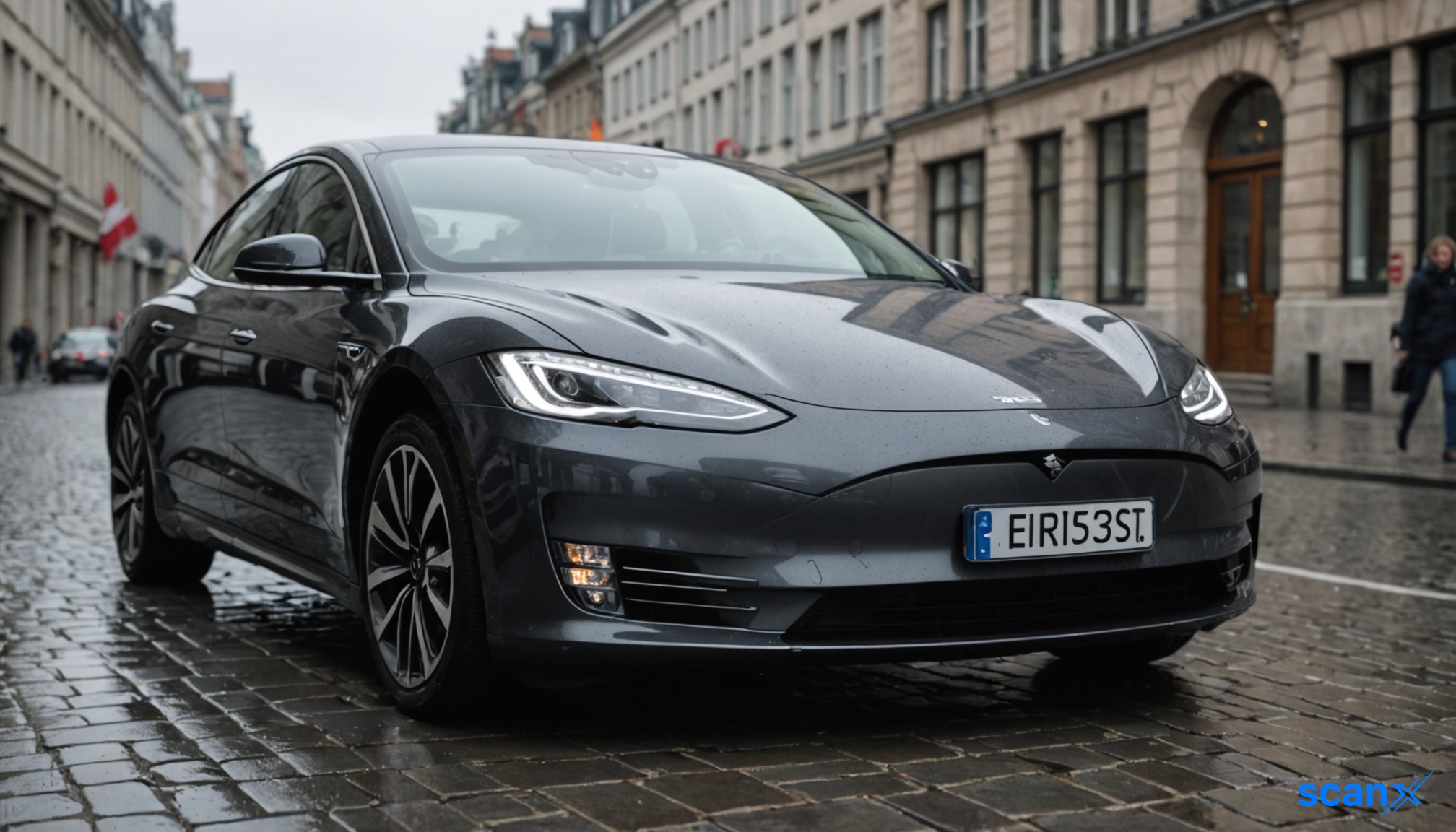

*this image is generated using AI for illustrative purposes only.
Tesla Inc. (NASDAQ: TSLA) Full Self-Driving (FSD) system exceeded legal speed limits in 55% of Brussels road segments tested by advocacy group Johanna.be. The findings emerge less than two weeks before a potential European Union vote that could determine the system's operational scope across Europe.
The July study evaluated 29 stretches of roads with 30 km/h limits. FSD surpassed the limit on 16 segments, averaging 44 km/h when speeding occurred. Additionally, the system displayed incorrect speed limits on approximately 90% of all tested segments, sometimes reverting from a recognized 30 km/h sign to a default 50 km/h display.
Regulatory split across Europe
Speeding compliance remains a primary point of contention among European regulators. Sweden has indicated it may oppose broader approval unless Tesla addresses these issues, while France has raised similar concerns. Conversely, the Czech Republic provisionally approved FSD this week after previously questioning speed-limit adherence. Belgium is among seven countries where Tesla currently offers FSD Supervised.
Tesla argues that FSD should adjust above detected limits to maintain pace with surrounding traffic rather than impeding flow. The company’s European data indicates FSD stayed at or below the median speed of traffic in 98% of 680 higher-speed samples where maximum speed settings exceeded detected limits.
EU vote and rollout implications
Dutch regulator RDW provisionally approved FSD in April following an 18-month testing period, enabling initial rollouts while broader authorization is considered. A decisive vote could occur as early as October 6. Approval requires support from at least 15 of the EU’s 27 member states, representing 65% of the population. If rejected, the Dutch provisional approval would be revoked six months later, potentially ending national approvals dependent on it.
RDW stated its testing confirmed FSD Supervised met safety requirements, with drivers retaining responsibility. In contrast, the Belgian study utilized a single Model 3 and a smaller test scope. Traders remain skeptical of other autonomy milestones; Polymarket odds place a 16% probability on Tesla selling a Cybercab for under $30,000 by year-end.
What the numbers show
The divergence between regulatory scrutiny and corporate safety claims is stark. While Tesla cites a 98% compliance rate with median traffic speeds in higher-speed zones, the Brussels data reveals a 55% failure rate against strict urban limits and a 90% error rate in speed limit recognition. This suggests that while FSD may perform adequately in flowing traffic, it struggles significantly with static signage interpretation in low-speed urban environments, a critical dependency for safe autonomous operation in dense European cities.

Will the Czech Republic's recent provisional approval influence undecided EU member states ahead of the October 6 vote, or will Sweden and France's opposition prove decisive?
How might a rejection of the broader EU authorization impact Tesla's stock valuation and its long-term revenue projections from European software subscriptions?
What specific technical updates or over-the-air patches is Tesla planning to release to address the 90% speed limit recognition error rate before the regulatory deadline?
 19
19





 Access 50+ Readymade Screeners
  Use 200+ Custom Filters
  Get Full Market Insights





