

SpaceX sidesteps Texas moratorium as 300+ local bans delay only three projects


- SpaceX secured de-annexation of its 444-acre Brownsville site ahead of a local moratorium vote
- SemiAnalysis maps 300+ local bans but finds only three projects actually delayed
- Delayed capacity totals ~2.3 GW including New York's executive action
- Behind-the-meter power orders hit 75 GW, benefiting GE Vernova and Bloom Energy
- Polymarket prices a 46% chance of a statewide US moratorium by year-end

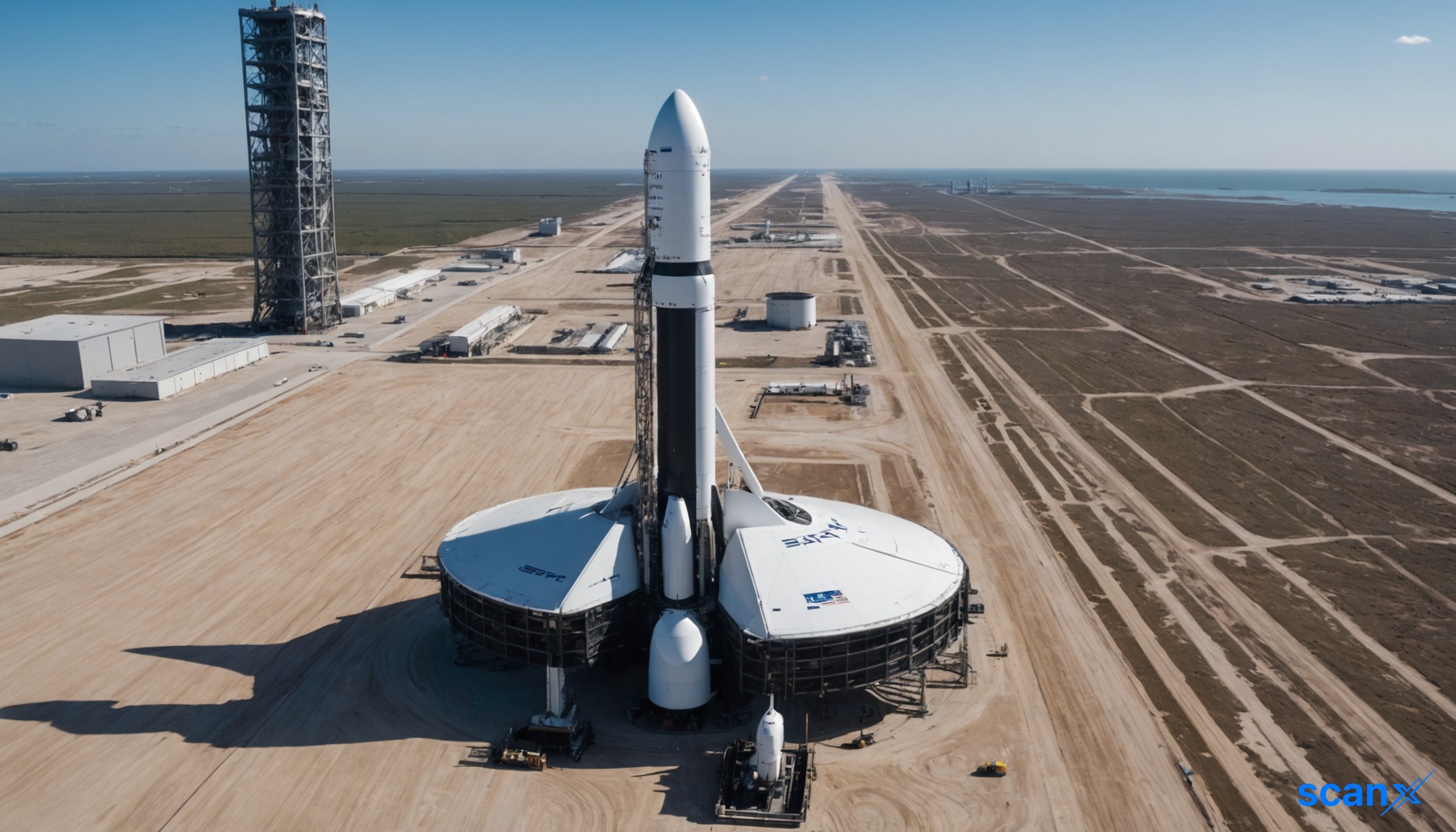

*this image is generated using AI for illustrative purposes only.
SpaceX effectively bypassed a potential data center moratorium in Brownsville, Texas, by securing the de-annexation of its 444-acre site from city jurisdiction. The maneuver occurred just days before local commissioners voted to initiate a 90-day moratorium process on new data centers.
Brownsville commissioners approved the de-annexation on Aug. 29, placing the site outside the city's zoning authority. At the same meeting, SpaceX agreed to provide up to $220 million for regional water infrastructure. While SpaceX has not publicly confirmed the property's intended use, research firm SemiAnalysis indicates the company plans to build a data center there.
Limited Impact on Buildout
SemiAnalysis mapped more than 300 enacted local moratoriums and bans against its U.S. data-center pipeline. Researchers initially identified 77 campuses, representing roughly 20 gigawatts, inside jurisdictions with data-center restrictions.
After verifying each project against local rules, SemiAnalysis found that only three were actually being delayed. These three projects total 1,525 megawatts of delayed capacity and include an Amazon campus in Ohio. Adding New York's statewide executive action lifts SemiAnalysis's estimate of delayed capacity to about 2.3 GW.
| Metric | Value |
|---|---|
| Local moratoriums mapped | 300+ |
| Campuses in restricted zones | 77 |
| Projects actually delayed | 3 |
| Delayed capacity (excluding NY) | 1,525 MW |
| Total delayed capacity (incl. NY) | ~2.3 GW |
SemiAnalysis notes that most restrictions never translate into actual delays. A moratorium may not cover a specific site, may expire before approval is needed, or may arrive after key permits are secured. Developers can also qualify for exemptions, redesign projects, or relocate them.
Power Infrastructure Shifts
The firm forecasts roughly 38 GW of U.S. data-center capacity coming online in 2027, more than double 2026 levels, with 22 GW already under construction. Restrictions could accelerate "behind-the-meter" development, where data centers generate electricity onsite rather than relying entirely on the grid.
SemiAnalysis tracks 75 GW of firm equipment orders for such projects, with Texas receiving more capacity than any other state. This trend benefits GE Vernova Inc. (NYSE: GEV) and Bloom Energy Corp. (NYSE: BE).
GE Vernova's gas-power backlog and slot reservations rose from 100 GW to 116 GW in the second quarter, with expectations of at least 125 GW by year-end. Bloom reported second-quarter revenue of $1.07 billion, up 166% year over year, stating all major U.S. hyperscalers have approved its onsite power systems for AI infrastructure.
Market Sentiment and Future Risks
A live Polymarket contract gives a 46% chance that a U.S. state enacts a statewide data-center moratorium by year-end, with about $16,400 wagered. New York's existing moratorium does not count because it was imposed by executive order, while the market requires a state law.
SemiAnalysis expects developers to keep relocating projects, redesigning them or bringing their own power rather than abandoning the buildout. The firm said a broad statewide restriction that also covered off-grid projects, particularly in a major market such as Texas, could materially change its buildout forecast.
What the Numbers Show
The divergence between the scale of regulatory action and actual project disruption is stark. With over 300 local moratoriums enacted but only three projects facing tangible delays, the data suggests that developers possess significant flexibility to navigate local restrictions through de-annexation, exemptions, or relocation. This resilience supports SemiAnalysis's forecast of doubling U.S. data-center capacity by 2027, indicating that localized political friction has thus far failed to materially constrain the broader AI infrastructure buildout.

How might SpaceX's de-annexation strategy in Brownsville influence other hyperscalers to pursue similar jurisdictional maneuvers to bypass local zoning moratoriums?
Could the rapid growth in 'behind-the-meter' power solutions trigger regulatory pushback from state utilities or grid operators concerned about infrastructure reliability and market stability?
If a major state like Texas enacts a statewide moratorium that includes off-grid projects, what is the estimated timeline for potential delays to the 38 GW of capacity forecasted for 2027?
 20










 Create Custom Screeners
 Access 200+ Pre-built Filters
 Use 50+ Readymade Screener





