

SpaceX targets Sept 22 for first Starship orbital flight with Starlink payload


- SpaceX targets Sept 22 for Starship's first orbital flight attempt with 26 Starlink V3 satellites
- Shares rose 2.14% to $154.11 on Thursday amid anticipation of the mission
- No booster recovery planned; both stages expected to splash down in Pacific Ocean
- Mission marks first time Starship carries an operational payload capable of generating revenue

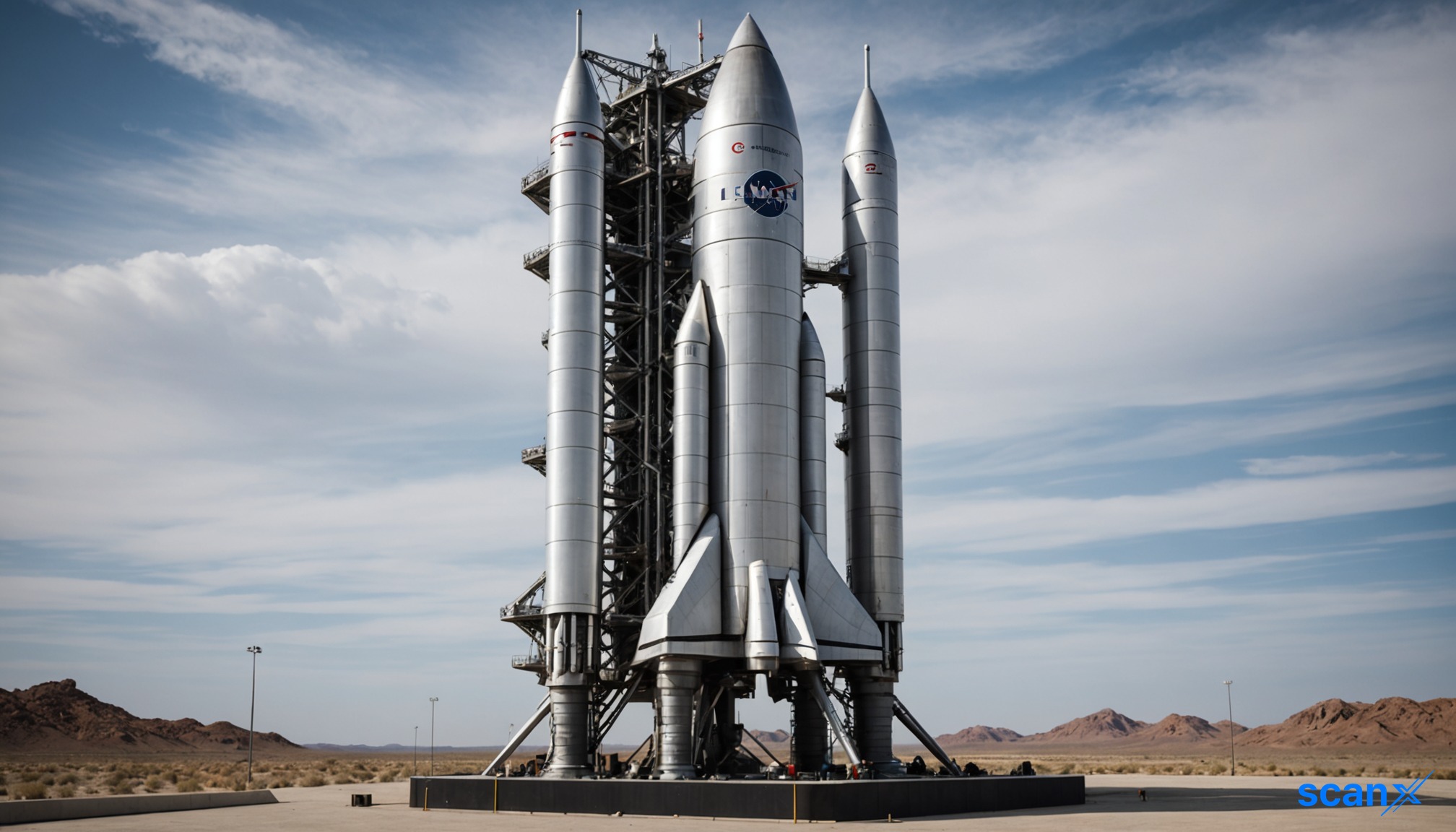

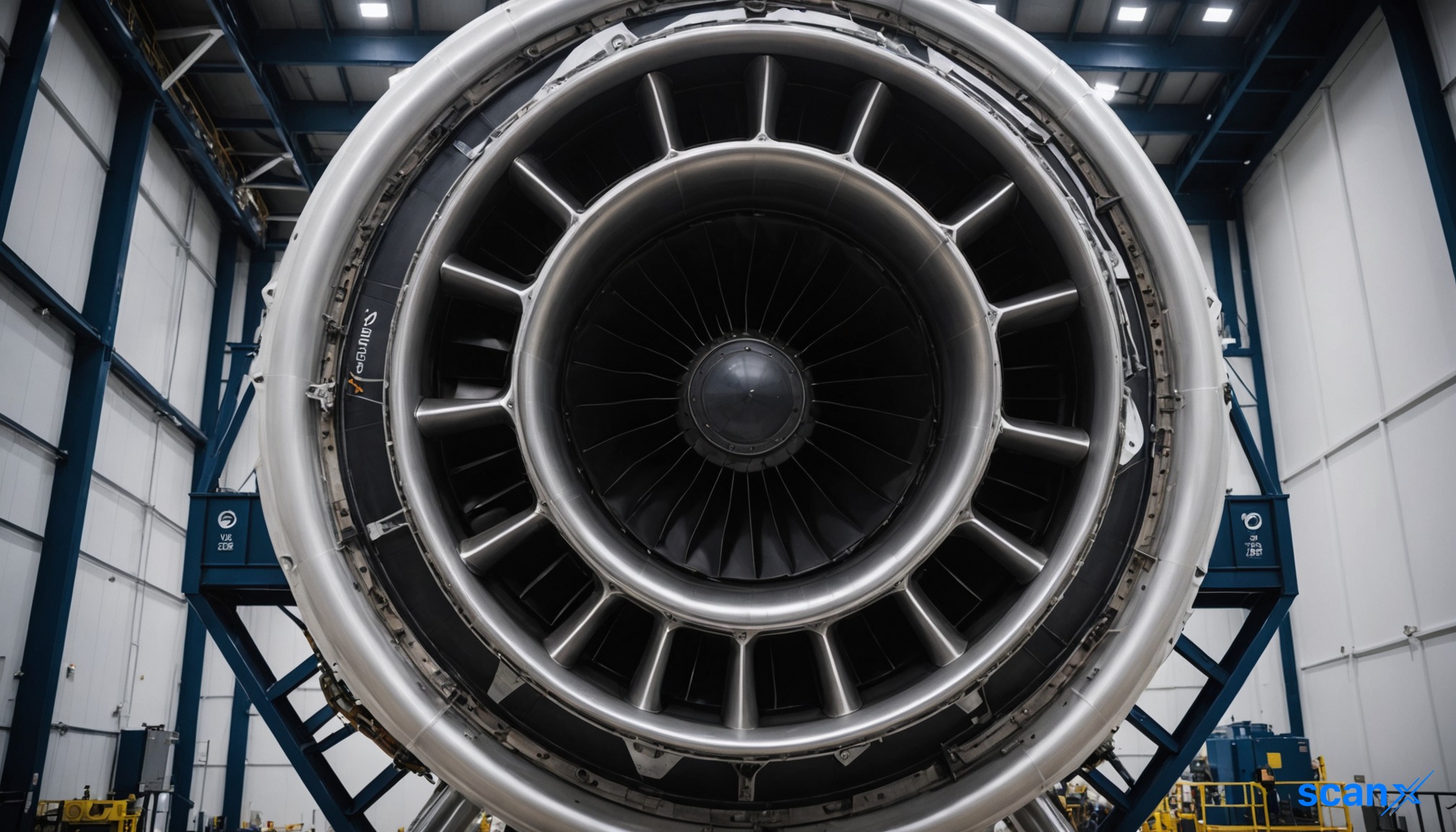
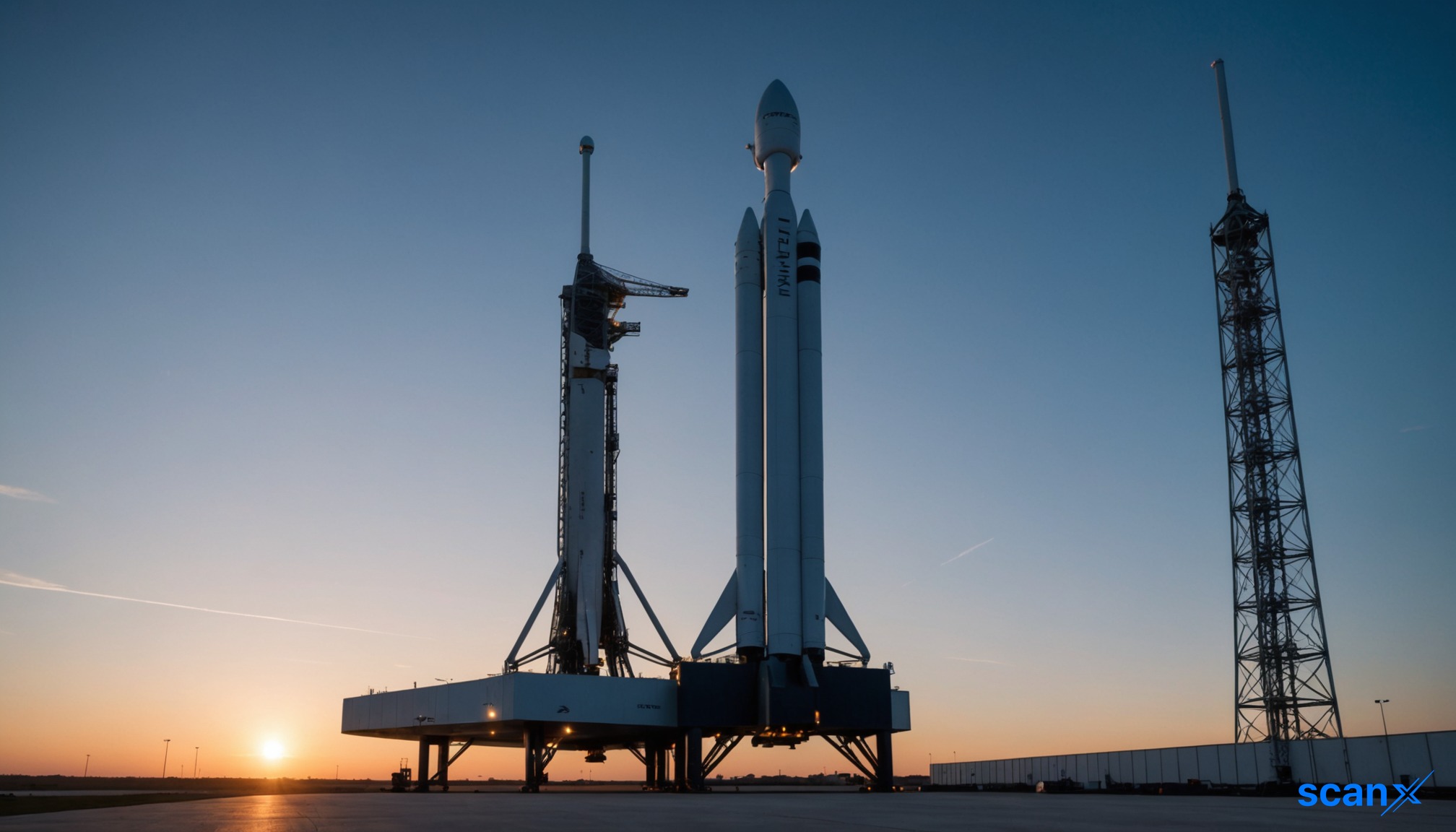
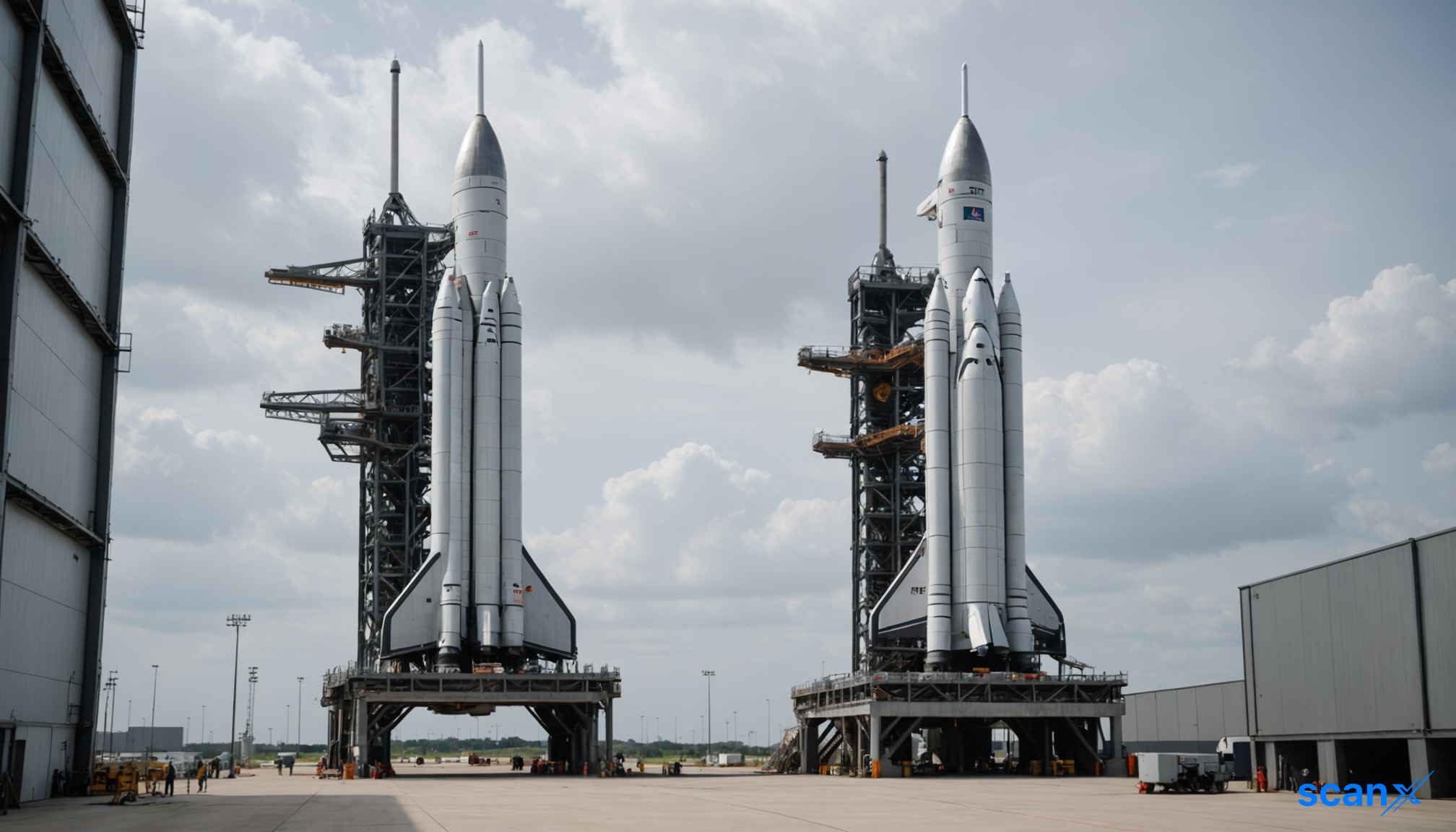
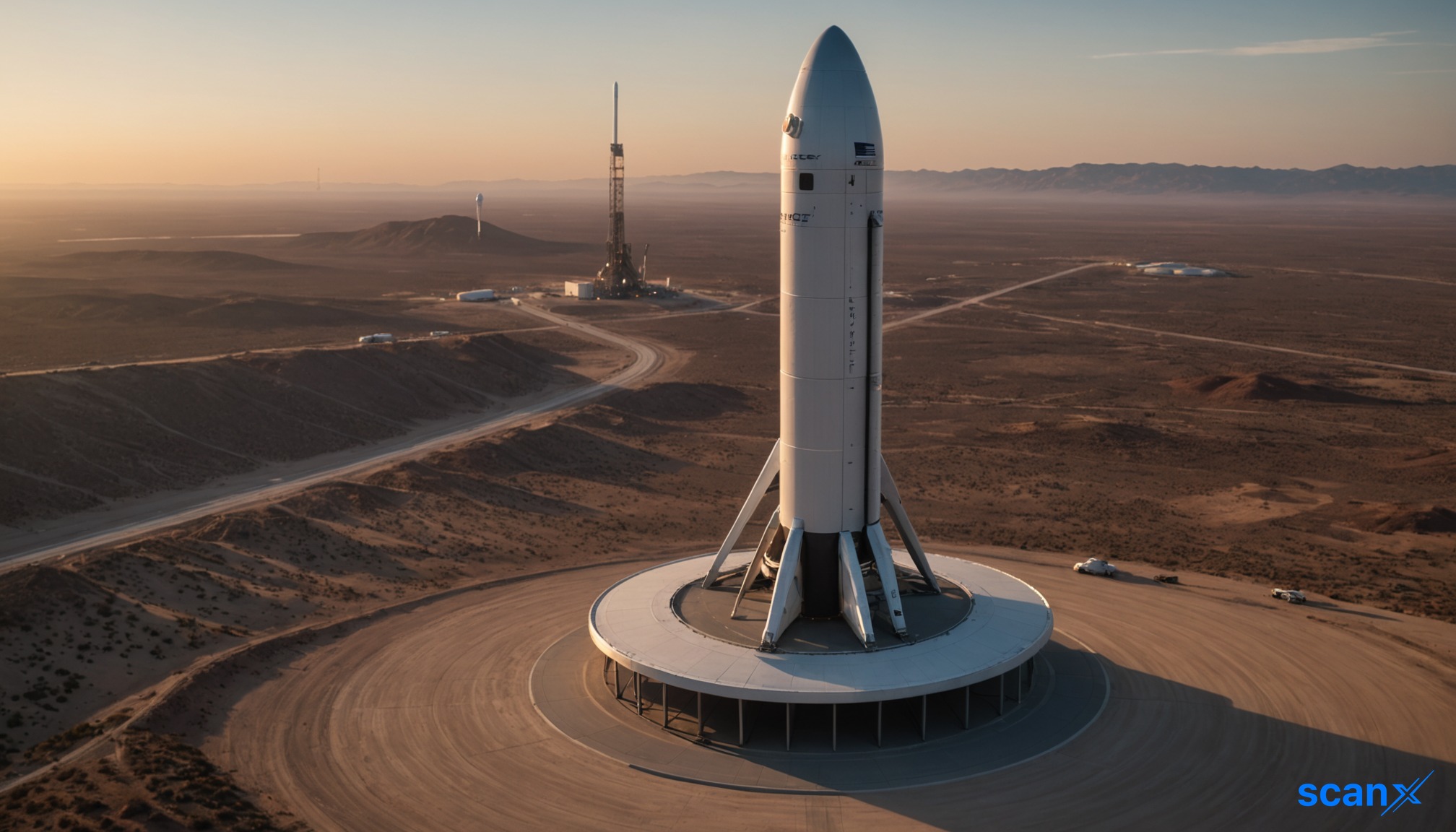
*this image is generated using AI for illustrative purposes only.
Space Exploration Technologies Corp (NASDAQ: SPCX) shares rose 2.14% to $154.11 on Thursday as investors focused on the upcoming Sept. 22 Starship mission.
The rally reflects market optimism surrounding SpaceX's operational milestones and broader tailwinds in the space infrastructure sector.
Launch Schedule Drives Momentum
SpaceX successfully executed its USSF-259 mission on Wednesday using a Falcon 9 rocket from Space Launch Complex 4E in California. The booster landed on a droneship following liftoff.
The company has multiple missions scheduled for the coming days:
| Mission | Vehicle | Date | Key Details |
|---|---|---|---|
| Starlink | Falcon 9 | Sept. 19-20 | Launch from California; droneship landing targeted |
| Starship | Starship | Sept. 22 | First orbital flight attempt; Starlink V3 deployment |
| USSF-385 | Falcon 9 | Sept. 26 | Launch from California; droneship landing targeted |
Starship Meets Starlink
SpaceX is targeting Sept. 22 for Starship's first attempt to reach Earth orbit, pending regulatory approval. This marks Flight 14, which aims to conduct the vehicle's first orbital flight and deploy initial Starlink V3 satellites.
The mission will deploy 26 third-generation Starlink satellites, making it the first Starship flight to carry an operational payload. TechCrunch noted that this would be the first Starship flight capable of generating revenue for SpaceX's launch business, even though the payload comes from another part of the company.
The spacecraft is expected to complete roughly six orbits over nearly 10 hours before splashing down in the Pacific Ocean. This attempt will test hardware and heatshield upgrades following issues in the previous flight.
Reusability Remains Key Test
SpaceX has not planned a tower catch for either the Starship upper stage or Super Heavy booster on this flight. Instead, both vehicles will splash down, while SpaceX has made additional hardware and software changes to address problems seen during the previous test.
The distinction matters because Starship's eventual value depends on what it enables. More reliable launches could allow SpaceX to deploy satellites faster and at greater scale, supporting the growth of its connectivity business. However, investors should note that reusability at high frequency remains the biggest part of the investment thesis ahead.
Valuation and Defense Sector Tailwinds
Cathie Wood suggested a single Starship mission could eventually be worth close to $1 billion. She noted that annual value could reach trillions if Elon Musk's target of flying the vehicle 10,000 times per year by 2030 is achieved.
Air Force Secretary Troy Meink acknowledged that the Space Force has weapons already positioned in orbit. His comments highlighted an expansion into satellite networks and autonomous defense technology, signaling growing government appetite for space-based capabilities.
What the Numbers Show
The stock price increase of 2.14% occurred alongside specific operational announcements rather than earnings data. The market reaction appears linked to the high-profile nature of the upcoming Starship orbital test and the strategic valuation framework proposed by Cathie Wood, which ties future revenue potential directly to launch frequency targets. The shift toward carrying operational payloads marks a transition from pure development testing to potential revenue generation.

How might the successful deployment of Starlink V3 satellites via Starship impact SpaceX's competitive positioning against traditional launch providers like ULA or Arianespace?
What specific regulatory hurdles could delay the Sept. 22 Starship mission, and how would such a delay affect investor sentiment and stock volatility?
If the heatshield upgrades fail during the upcoming orbital test, what are the potential implications for the timeline of achieving Elon Musk's target of 10,000 annual launches by 2030?
 19








 Access Market Heat-map & Insights
 Create, Save & Share your Screener
 Use 200+ Screening Filters





