

Valor distributes $8.5 billion in SpaceX stock to early investors


- Valor Equity Partners distributed $8.5 billion in SpaceX stock to early investors
- CEO Antonio Gracias donated 42.79 million shares, representing 8.5% of holdings
- Valor retains 460.62 million shares, equating to a 3.4% stake in SpaceX
- Gracias' net worth rose to $20.5 billion, adding $5.82 billion in 2026
- SpaceX stock trades at $154.20, up 2.2% with gains since IPO

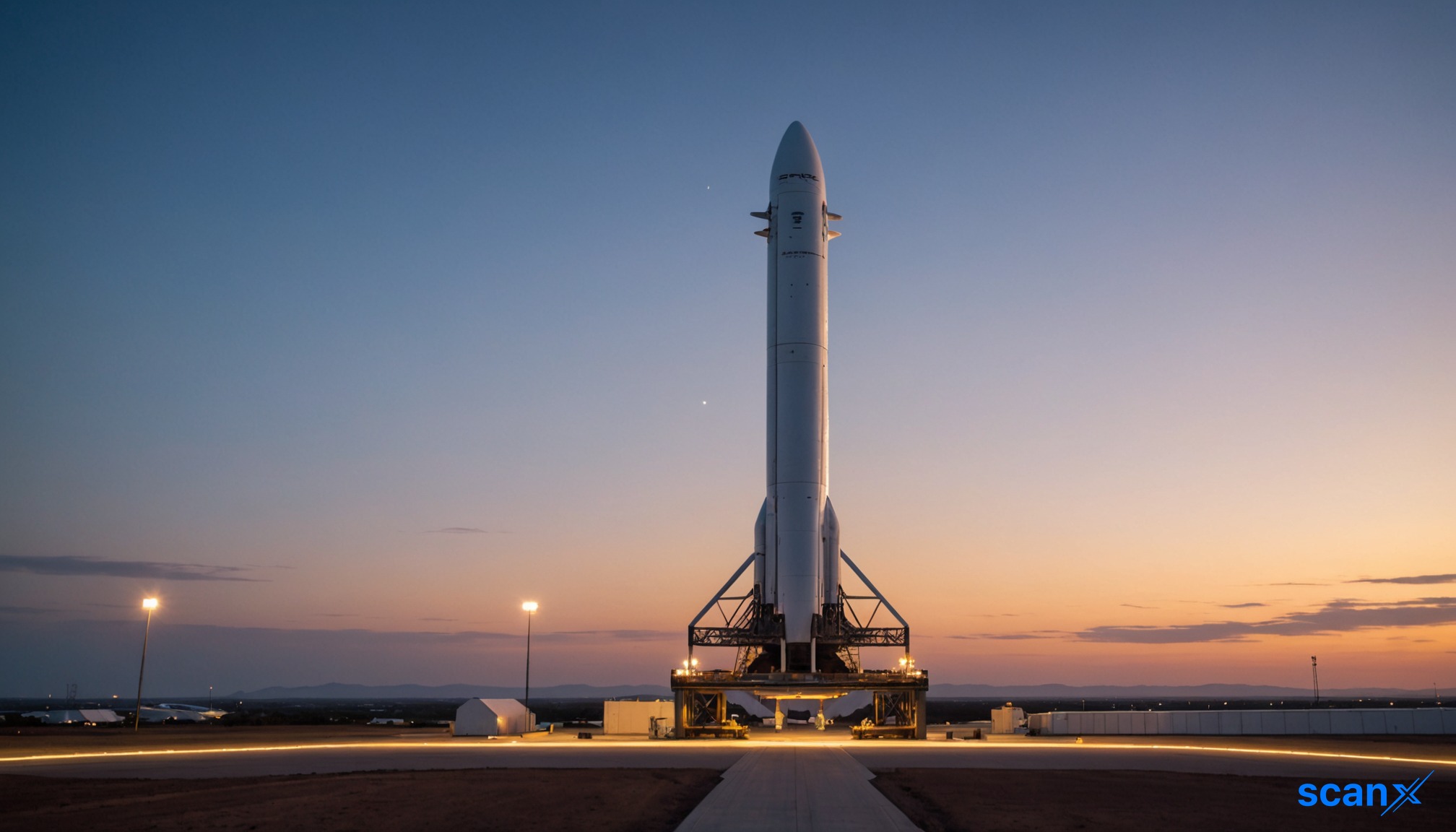

*this image is generated using AI for illustrative purposes only.
Private equity firm Valor Equity Partners has distributed $8.5 billion worth of SpaceX stock to its early investors. The distribution, structured as a donation of shares by CEO Antonio Gracias, allows fund holders to realize value from their stakes without a secondary sale by the company.
Gracias, who serves on the SpaceX Board of Directors, donated approximately 8.5% of Valor’s holdings, totaling 42,790,223 shares. This move rewards early backers while allowing Valor to retain the majority of its position in the aerospace giant.
Transaction Details
The distribution reflects the current public market valuation of SpaceX following its initial public offering. By handing over stock directly to investors, Valor facilitates a transfer of ownership rather than a cash payout funded by external buyers.
| Metric | Value |
|---|---|
| Distributor | Valor Equity Partners |
| Asset Distributed | SpaceX stock |
| Value | $8.5 billion |
| Shares Donated | 42,790,223 |
| Post-Transaction Stake | 460,624,307 shares (3.4%) |
This transaction highlights the increasing sophistication of exit strategies in private equity for mega-cap technology firms. The donation may also offer tax advantages for the firm and its investors.
Investor Profile
Antonio Gracias, founder and CEO of Valor Equity Partners, has seen his net worth rise to an estimated $20.5 billion, ranking him 127th on the Bloomberg Billionaires Index. He added $5.82 billion in wealth in 2026 thanks to the SpaceX public offering.
Valor began investing in SpaceX in 2008 and had invested around $400 million by 2021. Gracias was introduced to Elon Musk via David Sacks. In addition to SpaceX, Gracias and Valor hold stakes in Tesla Inc and The Boring Company.
Market Context
SpaceX stock is trading at $154.20, up 2.2%. The stock is within its 52-week range of $104.83 to $225.64, hitting its highest level since July 9 with recent gains. Gracias previously stated he planned to hold his stock for the long term, despite allowing some investors to take profits via this distribution.

How might this non-cash distribution model influence future exit strategies for other private equity firms holding stakes in mega-cap tech IPOs?
What are the potential tax implications for Valor's limited partners compared to a traditional secondary sale, and could this structure become a regulatory focal point?
Given that Valor retains a 3.4% stake, how might their continued board presence affect SpaceX's corporate governance and strategic direction in the coming years?
 17
17





 Create Custom Screeners
  Access 200+ Pre-built Filters
  Use 50+ Readymade Screener





