

NASA selects SpaceX to launch StarBurst mission on Falcon 9


- NASA selected SpaceX to launch StarBurst on a Falcon 9 rideshare mission no earlier than 2028
- The award is part of a $1 billion VADR contract with a 10-year ordering period
- StarBurst uses 12 detectors to study neutron star mergers and gamma-ray bursts
- The mission falls under NASA's Astrophysics Pioneers Program with a $20 million cost cap

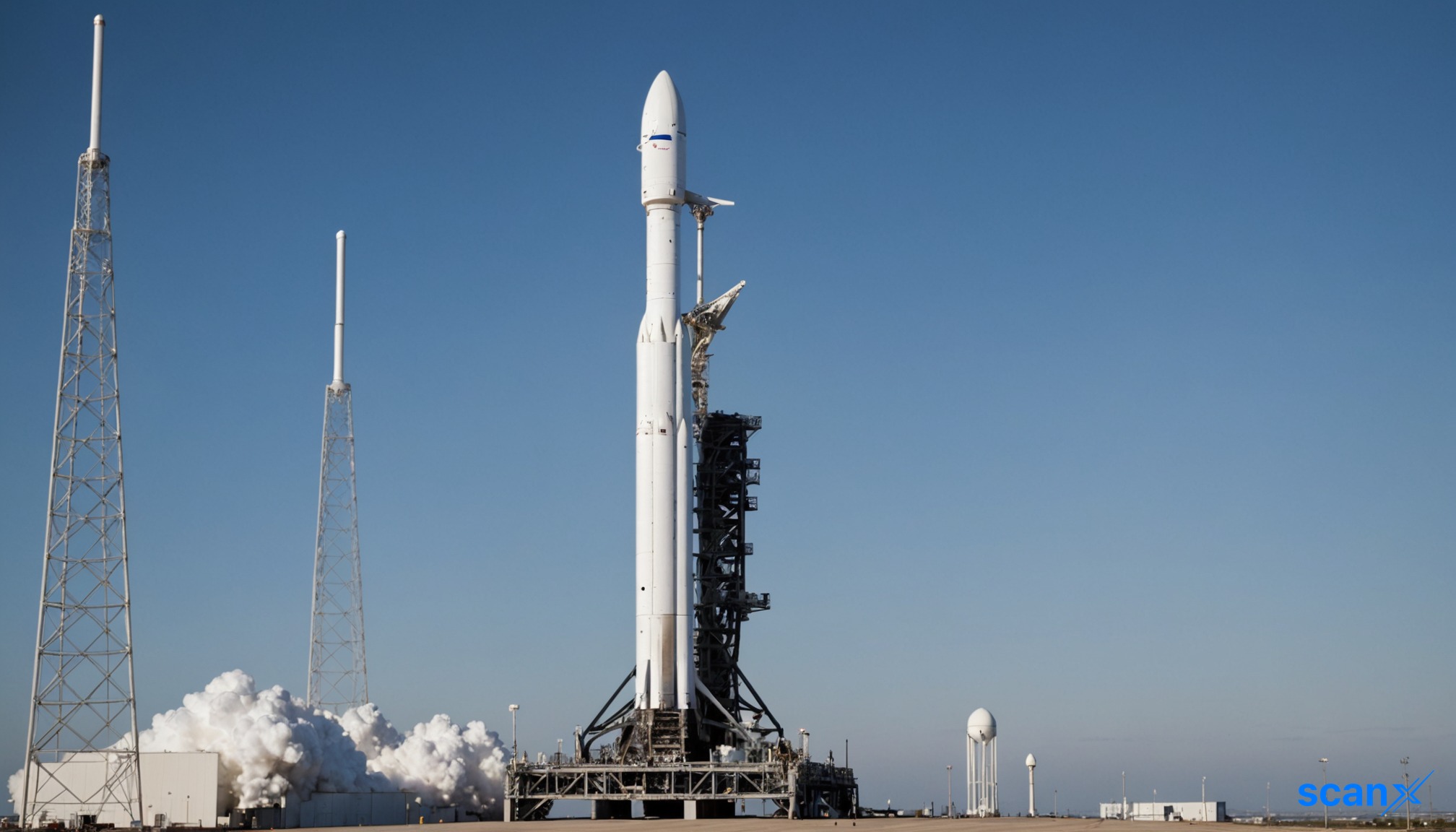

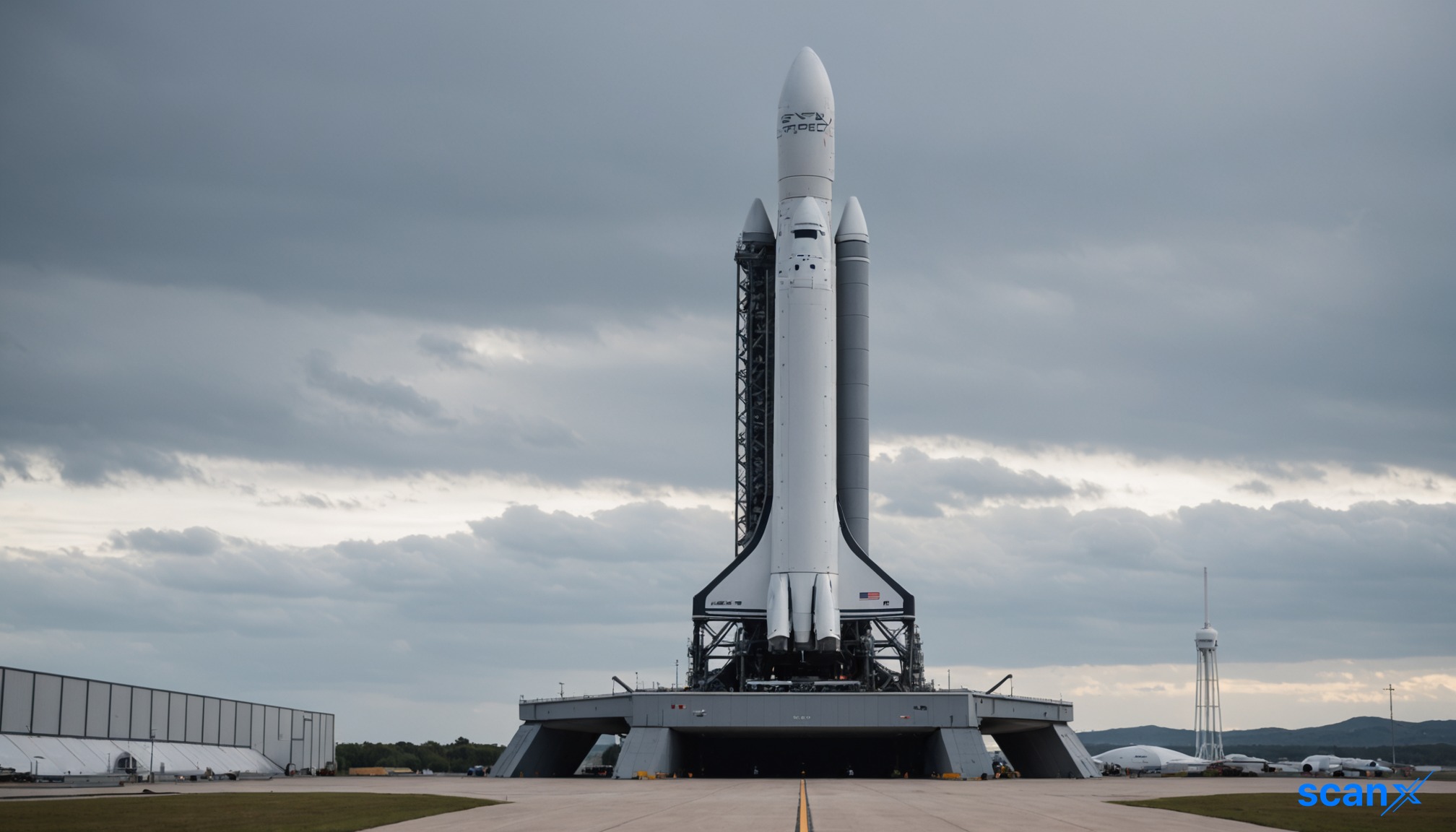
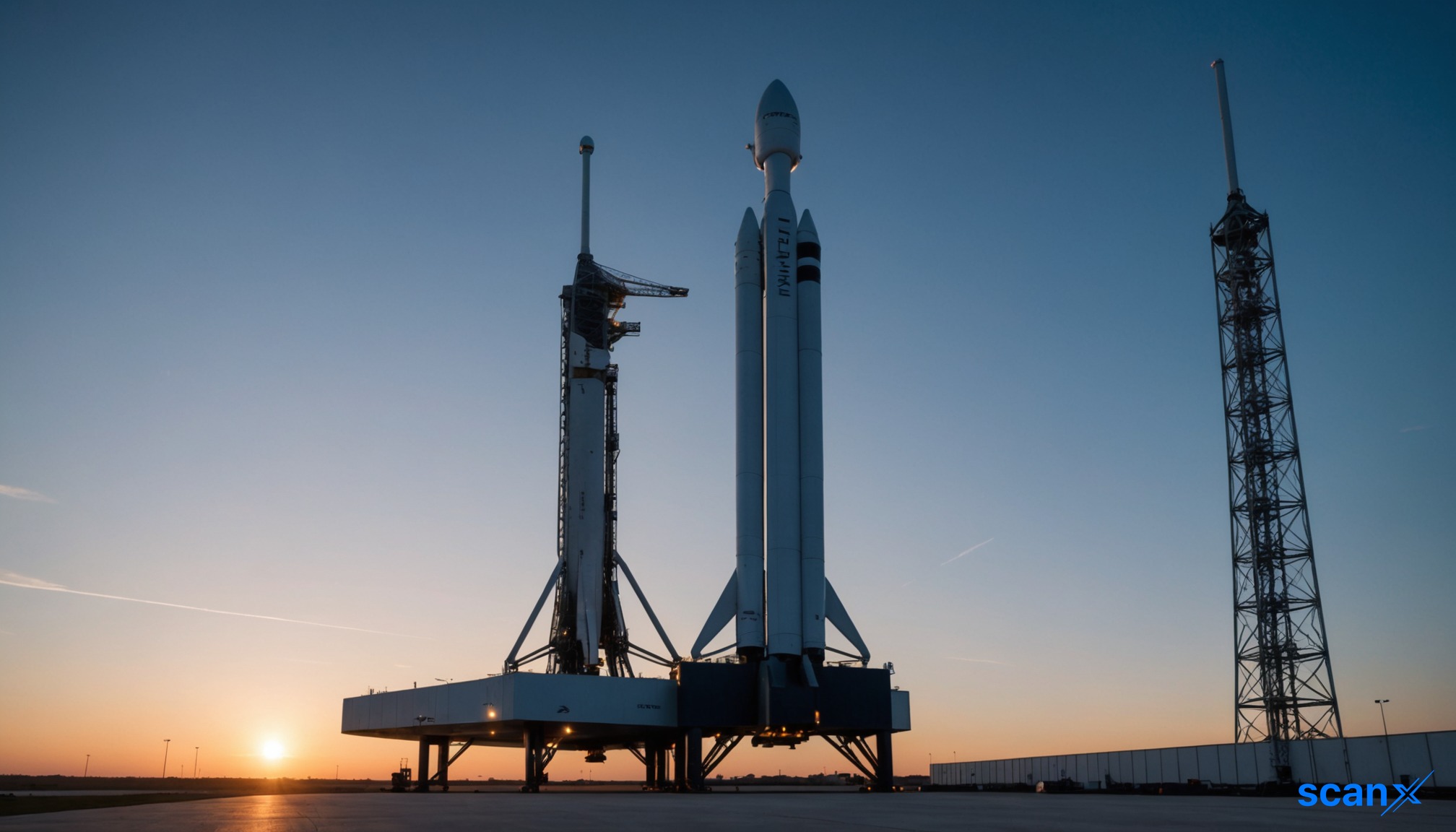
*this image is generated using AI for illustrative purposes only.
NASA has selected SpaceX to provide launch services for the StarBurst mission, a small satellite designed to study neutron star mergers and short gamma-ray bursts.
The selection is part of a firm-fixed-price task order under NASA’s Venture-Class Acquisition of Dedicated and Rideshare (VADR) launch services contract. This indefinite-delivery/indefinite-quantity agreement allows NASA to acquire launch services during a 10-year ordering period, with a maximum total value of $1 billion across all contracts.
Mission Details
StarBurst will launch aboard a Bandwagon rideshare mission on a Falcon 9 rocket from Space Launch Complex 40 at Cape Canaveral Space Force Station in Florida no earlier than 2028. The mission aims to observe the entire portion of the sky not blocked by Earth to search for brief, powerful explosions known as gamma-ray bursts.
The satellite will focus on detecting the initial high-energy emission from short gamma-ray bursts, which occur when dense stellar remnants called neutron stars merge. By combining StarBurst’s observations with gravitational-wave measurements and follow-up observations from other telescopes, researchers will study these events through multiple types of signals, an approach known as multimessenger astronomy.
Instrumentation and Science Goals
StarBurst’s science target involves violent neutron star collisions. The SmallSat will watch the entire sky not blocked by Earth for the initial high-energy flashes from short gamma-ray bursts. NASA describes gamma-ray bursts as among "the most powerful explosions in the universe."
The observatory will use 12 CsI(Tl) scintillation detectors sensitive to gamma rays between 30 and 1,000 keV. NASA says StarBurst offers more than five times the effective collecting area of the Fermi Gamma-ray Burst Monitor and could detect as many as 10 short gamma-ray bursts annually.
Scientists will combine those gamma-ray observations with gravitational-wave detections and follow-up telescope measurements, creating a multimessenger view of the same collision. In 2017, astronomers observed neutron-star merger GW170817 through both gravitational waves and gamma rays for the first time, confirming a key connection between short bursts and merging neutron stars.
The mergers also forge heavy elements including gold and platinum. StarBurst principal investigator Daniel Kocevski said studying them can reveal "fundamental physics, the origins of elements, and even the expansion of the universe."
Program Context
StarBurst is part of NASA’s Astrophysics Pioneers Program, which supports lower-cost investigations using small spacecraft and other platforms. The program funds lower-cost astrophysics investigations using SmallSats, balloons and other compact platforms with a $20 million mission cost cap.
NASA’s Launch Services Program Office, based at the agency’s Kennedy Space Center in Florida, manages the VADR contract.

How might the success of the StarBurst mission influence future funding allocations for NASA's Astrophysics Pioneers Program and other small-satellite initiatives?
What impact could the increased detection rate of short gamma-ray bursts have on the commercial viability of multimessenger astronomy data services?
Will the 10-year VADR contract structure encourage other aerospace companies to compete more aggressively for NASA's rideshare launch slots beyond SpaceX?
 19




 Access 50+ Readymade Screeners
 Use 200+ Custom Filters
 Get Full Market Insights





