

SpaceX wins FCC nod for global Starlink mobile services


- FCC grants SpaceX global facilities-based and resale authority under Section 214
- About 650 direct-to-mobile satellites are in orbit, reaching 1.9 billion people
- Next-gen Mobile V2 satellites target 20x throughput and full 5G connectivity
- SpaceX acquired 65 MHz of EchoStar spectrum for U.S. direct-to-device service
- Service complements terrestrial partners like T-Mobile, KDDI, and Rogers

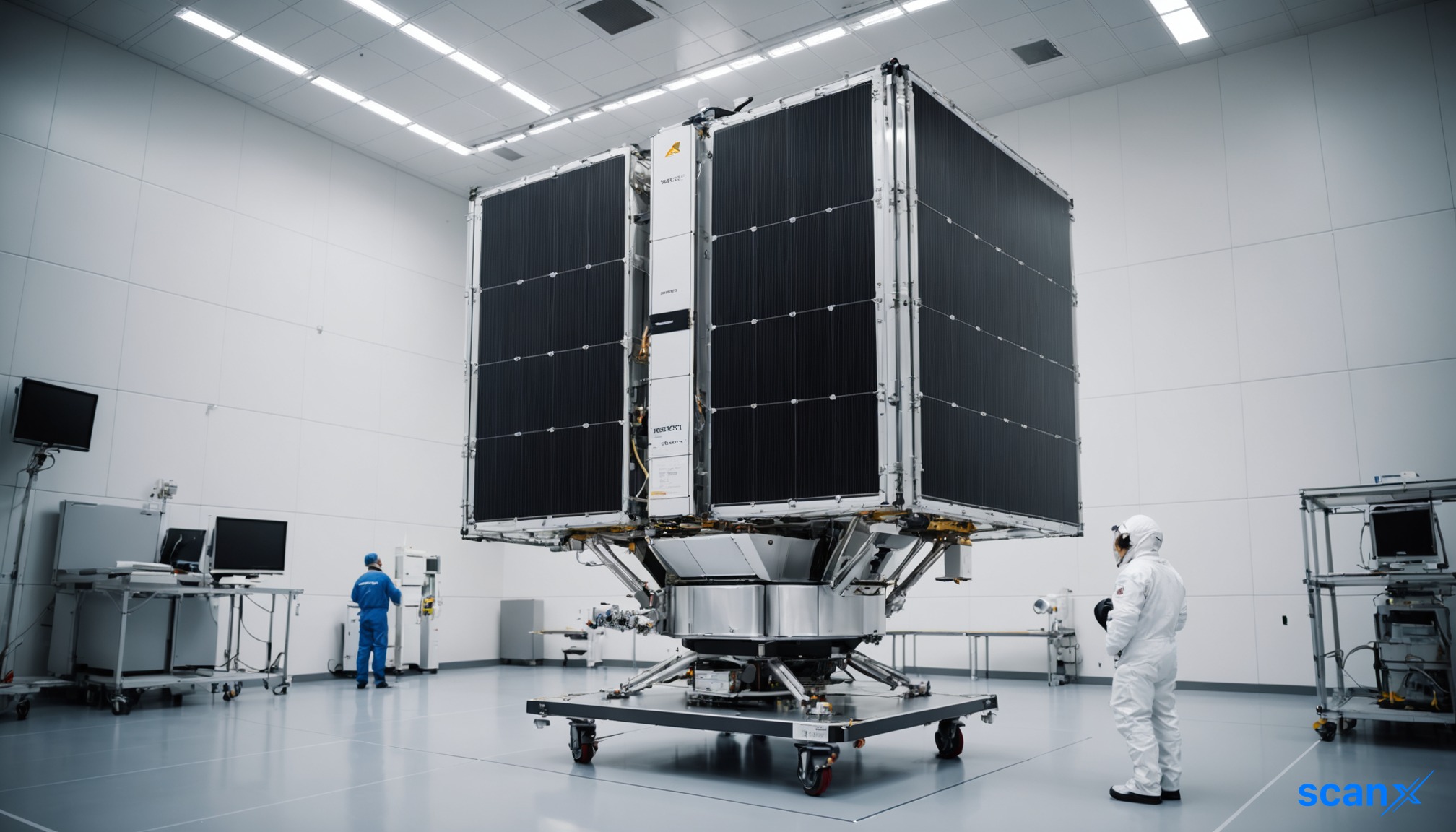

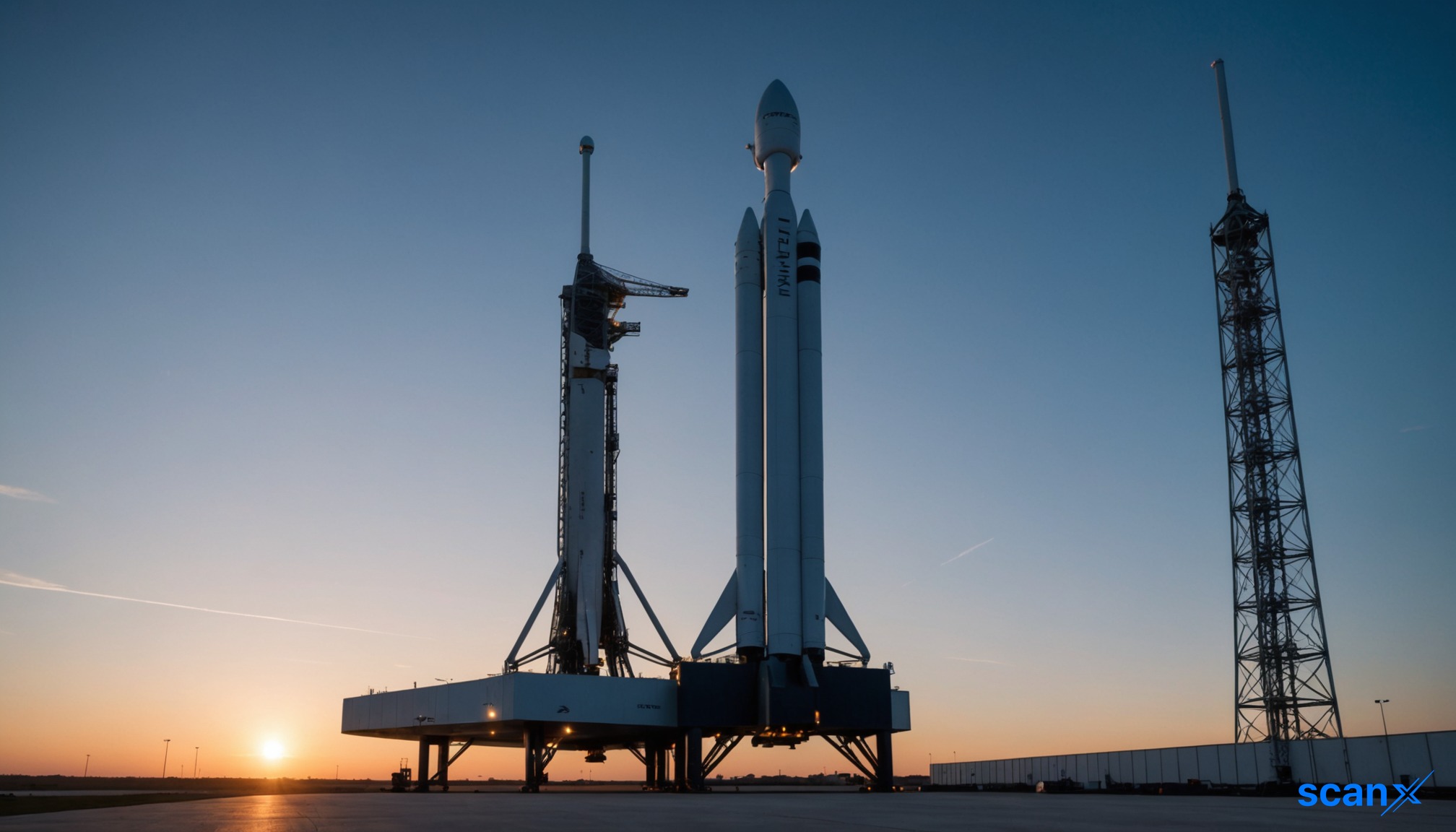
*this image is generated using AI for illustrative purposes only.
Space Exploration Technologies Corp. (NASDAQ: SPCX) has secured Federal Communications Commission approval to provide international telecommunications services, strengthening its ability to expand Starlink Mobile’s global reach.
The FCC granted Space Exploration Holdings LLC global facilities-based and resale authority under Section 214 on Thursday. This authorization supports Starlink Mobile service offerings and enables the company to carry international traffic to markets served by its entities.
Regulatory Scope and Local Permissions
The approval does not automatically authorize Starlink Mobile in every foreign market. SpaceX still needs local spectrum and telecom permissions in individual jurisdictions. However, the regulatory nod strengthens the company’s infrastructure for handling cross-border traffic as its satellite-to-phone footprint grows.
Starlink Mobile currently supplements terrestrial networks through partners including T-Mobile US Inc. (NASDAQ: TMUS), KDDI, Rogers, and operators across Australia, New Zealand, and the Philippines.
Network Scale and Technology Roadmap
SpaceX says about 650 direct-to-mobile satellites are in orbit. The network is positioned to reach about 1.9 billion people across six continents. The company is preparing a larger technology jump with its next-generation Mobile V2 satellites.
| Metric | Detail |
|---|---|
| Satellites in Orbit | ~650 |
| Potential Reach | ~1.9 billion people |
| Coverage | Six continents |
| V2 Throughput | ~20x first-gen |
According to the company’s website, Mobile V2 satellites will deliver about 20 times the throughput of first-generation spacecraft. In most environments, the system aims to provide full 5G cellular connectivity comparable to terrestrial service. A SpaceX SEC filing states the system is designed to provide 5G connectivity to unmodified phones and IoT devices.
This push follows SpaceX’s acquisition of about 65 MHz of EchoStar spectrum for U.S. direct-to-device service. SpaceX President Gwynne Shotwell has said combining this spectrum with a larger satellite fleet could make Starlink Mobile "100 times better" than today’s network.
What the Numbers Show
The scale of SpaceX’s current deployment highlights a significant coverage gap relative to terrestrial networks. With only 650 satellites targeting 1.9 billion potential users, the average satellite must support approximately 29,230 people. This high user-to-satellite ratio underscores the strategic importance of the upcoming Mobile V2 rollout, which promises 20 times the throughput of existing hardware to manage density.
Use Cases and Carrier Skepticism
Starlink Mobile has demonstrated practical use cases during terrestrial network outages. The service provided satellite texting during wildfires in Spain that knocked out mobile networks. T-Mobile’s T-Satellite partnership uses Starlink to extend connectivity into dead zones.
Traditional carriers remain skeptical that satellites can match dense terrestrial networks. T-Mobile views direct-to-device connectivity as complementary rather than a replacement for cellular infrastructure. SpaceX aims higher, stating future service will support native calling, streaming, video calls, and seamless movement between satellite and terrestrial networks.

How will the rollout of Mobile V2 satellites with 20x throughput impact the current high user-to-satellite ratio and service reliability during peak usage?
What are the potential antitrust or regulatory hurdles SpaceX might face when integrating EchoStar's spectrum with its growing global satellite footprint?
Could traditional carriers like T-Mobile shift from viewing Starlink as a complementary tool to a direct competitor if native 5G streaming becomes viable on unmodified phones?
 19





 Access 50+ Readymade Screeners
 Use 200+ Custom Filters
 Get Full Market Insights





