

Musk warns startups against copying SpaceX Raptor 3 engine design


- Musk warns new companies against copying Raptor 3 due to complex internal geometry
- Sea-level Raptor 3 produces 250 metric tons-force, matching Space Pioneer's reported thrust
- Space Pioneer raised over $596.4 million for reusable rocket development
- SpaceX targets Sept. 22 for Starship Flight 14 orbital attempt

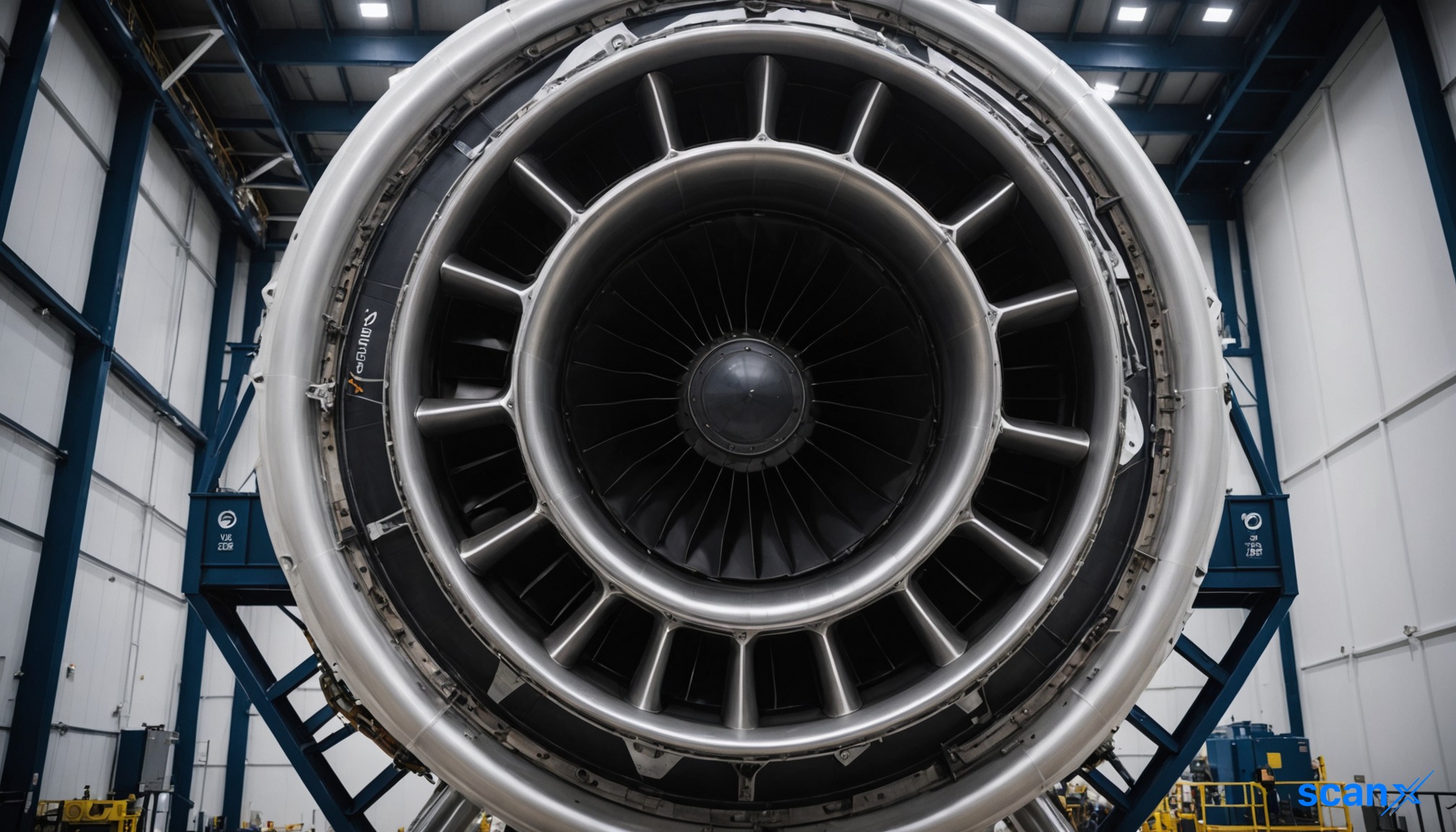

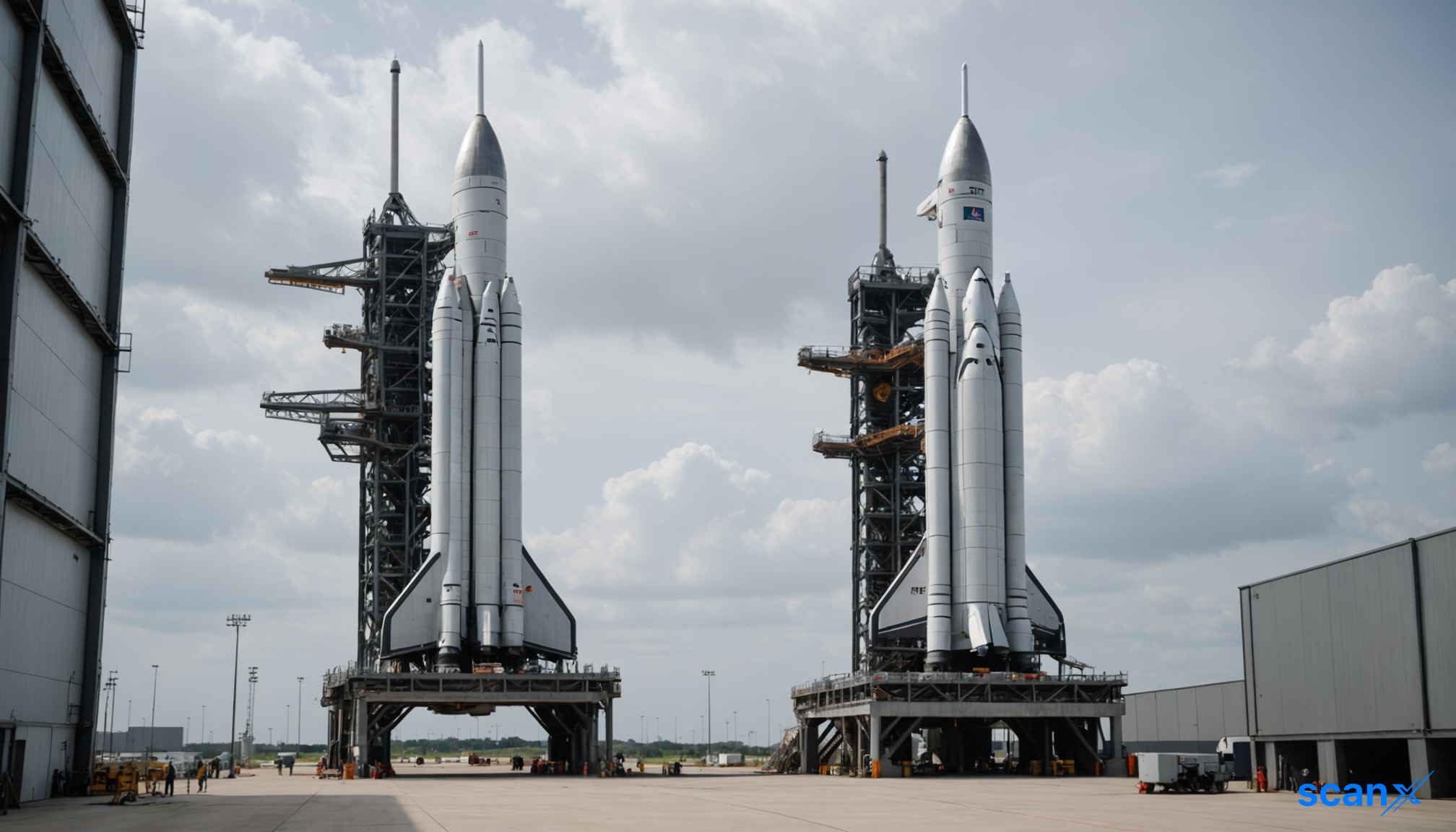
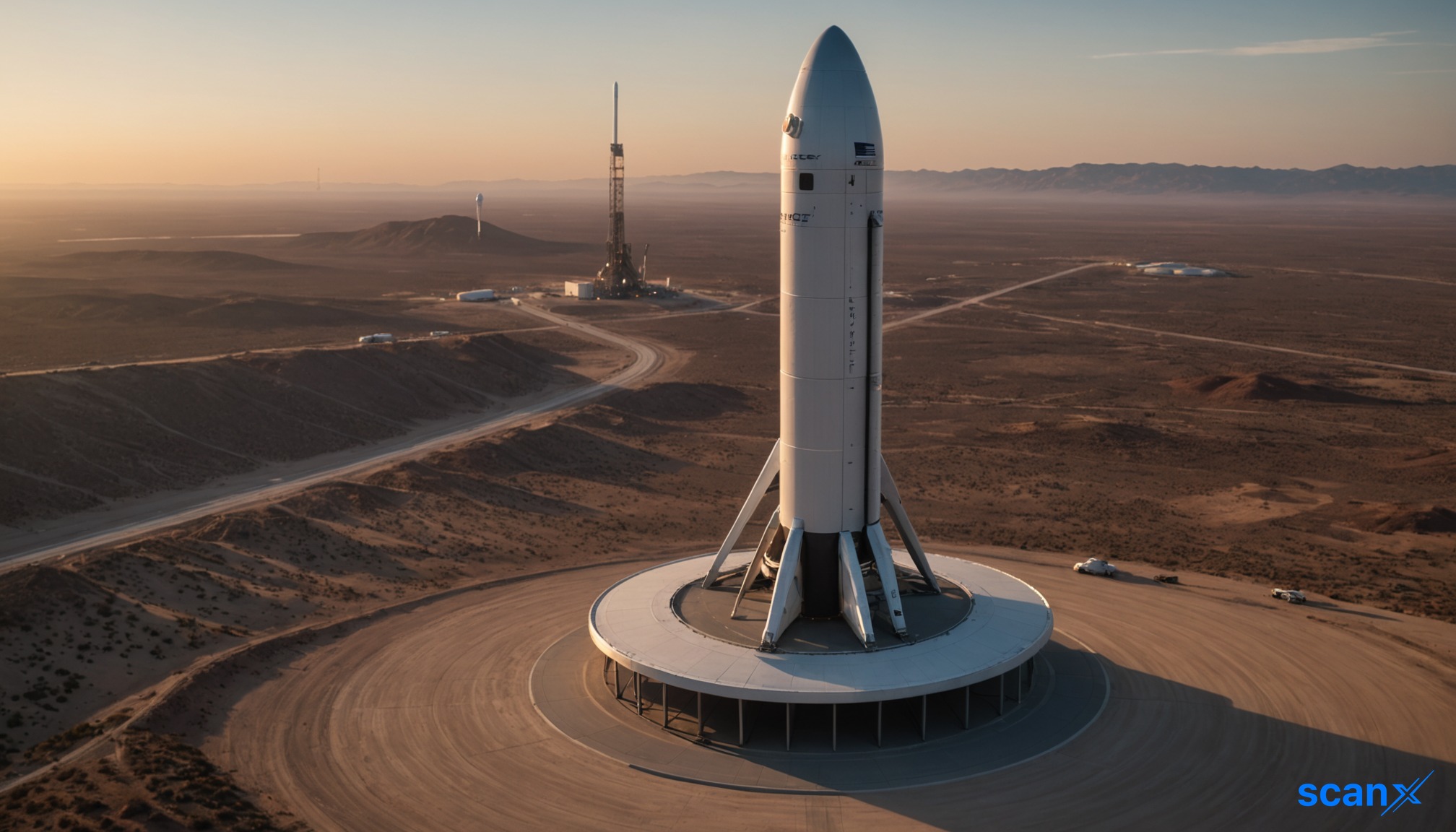
*this image is generated using AI for illustrative purposes only.
Space Exploration Technologies Corp. (NASDAQ: SPCX) CEO Elon Musk warned emerging rocket companies against attempting to replicate the company’s Raptor 3 engine, describing its internal structure as deceptively complex.
Musk issued the caution after online comparisons drew parallels between the Raptor 3 and a rocket engine developed by Chinese private launch company Space Pioneer. He emphasized that while the engine appears simple externally to survive extreme heat without a heat shield, its interior requires highly modified 3D metal printing.
Technical Specifications and Design
SpaceX states the sea-level Raptor 3 produces 250 metric tons-force, or roughly 2,451 kN. The vacuum version reaches 275 tons-force. To achieve this, the company moved sensors and controllers inside the engine and beneath thermal protection, eliminating individual engine shrouds.
| Engine Variant | Thrust Output |
|---|---|
| Sea-level Raptor 3 | 250 metric tons-force (2,451 kN) |
| Vacuum Raptor 3 | 275 tons-force |
Competitive Landscape
The published sea-level thrust of the Raptor 3 aligns closely with the 2,450-kN figure circulating for Space Pioneer’s reported Tianhuo-21 methane engine. Space Pioneer has not yet posted Tianhuo-21 specifications on its public catalog, which currently lists TH-11, TH-12, and TH-31 engines.
Space Pioneer is developing reusable launch technology with its Tianlong-3 rocket, designed to compete with SpaceX’s Falcon 9. The Beijing-based company raised more than 4 billion yuan ($596.4 million) across 15 funding rounds as of 2024. Its Tianlong-3 first stage uses nine TH-12 liquid-oxygen/kerosene engines and targets at least 20 reuses.
Starship Development Status
Raptor 3 is central to SpaceX’s Starship V3 architecture, introduced during Starship’s May debut. In July, Flight 13 aborted less than a second before liftoff after some of its 33 booster engines failed to start. Musk stated SpaceX would replace two Raptors before retrying.
SpaceX has spent more than $15 billion developing Starship. The company now targets September 22 for Flight 14, pending regulatory approval. This mission aims to attempt Starship’s first orbital flight and deploy production Starlink V3 satellites.

How might SpaceX's warning regarding the Raptor 3's internal complexity impact the valuation or investor confidence in Chinese competitors like Space Pioneer?
What are the potential regulatory hurdles SpaceX faces in securing approval for the September 22 Flight 14 attempt, and how could delays affect Starlink V3 deployment timelines?
Could the integration of sensors and controllers inside the Raptor 3 engine create new maintenance challenges that affect the reusability rates of the Starship booster?
 15





 Access 50+ Readymade Screeners
 Use 200+ Custom Filters
 Get Full Market Insights





