

SpaceX daily swings hit 4.53%, mirroring small-cap volatility


- SpaceX daily price range averages 4.53%, matching Rocket Lab's 4.52% and exceeding Microsoft's 1.89%
- Only 14% of SpaceX's 13.57 billion shares are in the float, limiting tradable supply
- Daily turnover hits roughly 4% of the float, compared to 0.27% for Microsoft
- Short interest dropped from 34% to 11% of float after an Aug. 6 lockup expiration
- Retail investors showed no net selling days from June 12 IPO through Aug. 5

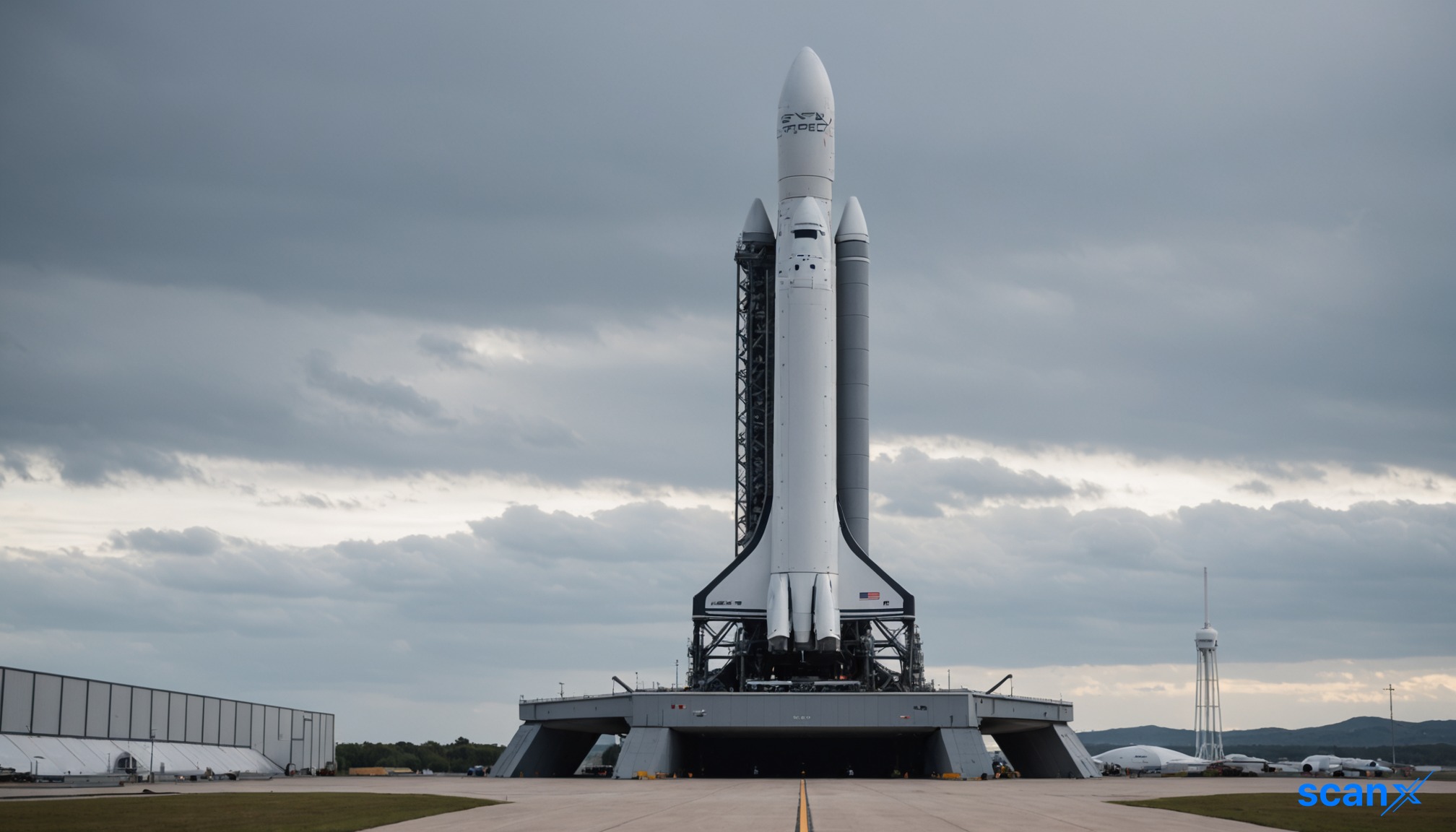

*this image is generated using AI for illustrative purposes only.
SpaceX (NASDAQ: SPCX) exhibits daily price swings comparable to small-cap stocks despite its $2 trillion market capitalization. The company’s shares averaged a 4.53% gap between daily high and low prices over the past 22 trading sessions.
This volatility matches that of Rocket Lab Corp. (NASDAQ: RKLB), which has a $38 billion market cap and recorded a 4.52% average daily range. In contrast, Microsoft Corp. (NASDAQ: MSFT) showed a significantly lower average daily range of 1.89%, according to S&P Global Market Intelligence data.
A Mega-Cap With a Small Float
The limited supply of tradable shares contributes to the heightened volatility. SpaceX has approximately 1.91 billion shares in its float, representing just 14% of its 13.57 billion total shares outstanding, per StockAnalysis.
Trading activity is concentrated within this narrow pool. An average of 77 million shares changed hands daily over the past 20 sessions, equating to roughly 4% of the float. Microsoft’s comparable turnover rate was 0.27%.
| Metric | SpaceX | Rocket Lab | Microsoft |
|---|---|---|---|
| Market Cap | $2 trillion | $38 billion | Not specified |
| Avg Daily Range | 4.53% | 4.52% | 1.89% |
| Float Size | 1.91 billion shares | Not specified | Not specified |
| Daily Turnover | ~4% of float | Not specified | 0.27% |
The available supply is set to expand as post-IPO lockups expire. Up to 328.4 million additional shares become eligible for sale on Sept. 24, two days after the target date for Starship Flight 14.
Short interest dynamics also reflect market sentiment shifts. S3 Partners estimated short interest peaked at about 34% of the tradable float in early August. It fell to roughly 11% within a week as shares rebounded and an Aug. 6 lockup expiration made about 912 million more shares eligible for sale.
S&P Global noted that SpaceX was July’s largest single-stock securities-lending revenue generator, with nearly $29 billion worth of shares out on loan on average.
Multiple Business Narratives
Investors are simultaneously valuing multiple business segments, including reusable rockets, global broadband, potential mobile carrier services, frontier AI, AI infrastructure, and orbital data centers.
Starship Flight 14 illustrates the convergence of these narratives. SpaceX targets Sept. 22 for the first orbital flight and deployment of 26 Starlink V3 satellites, pending regulatory approval.
Prediction markets indicate high confidence in the launch timeline. Traders on Polymarket assign a 91% probability to Flight 14 launching by Sept. 30. Roughly $676,000 has traded across the broader Flight 14 market.
Retail Investor Influence
Retail investor behavior appears to sustain demand regardless of short-term price movements. Steve Eisman previously described SpaceX as a potential "retail cult stock," noting that Elon Musk attracts "believers, not investors."
Data from Vanda Research cited by Reuters supports this view. SpaceX recorded no day of net retail selling from its June 12 IPO through Aug. 5. This period included instances where shares fell as much as 12.9% following earnings reports.
What the Numbers Show
The divergence between SpaceX’s massive valuation and its narrow float creates structural volatility. With only 14% of shares outstanding available for trading, daily turnover of 4% of the float indicates intense liquidity pressure relative to Microsoft’s 0.27%. This thin trading base amplifies price movements from both retail buying and short-covering activities.

How might the expiration of the Sept. 24 lockup, releasing 328.4 million shares, impact SpaceX's daily volatility and liquidity profile in the short term?
Could the convergence of Starship Flight 14's launch timeline with the lockup expiration create a unique catalyst for price discovery or increased institutional participation?
What are the potential risks if retail investor sentiment shifts, given that SpaceX has seen no net retail selling since its IPO?
 16













 Access Market Heat-map & Insights
 Create, Save & Share your Screener
 Use 200+ Screening Filters





