

SpaceX stock gains $100B in one day to hit $2 trillion market cap


- SpaceX stock rose 5.15% to $150.88, adding $100 billion in market value
- Total market cap reached roughly $2 trillion, more than two times Rocket Lab's $38.1 billion
- Rally driven by anticipation of Starship Flight 14 and Nasdaq-100 passive inflows
- Pivotal Research set $220 target price, citing rapid reuse potential

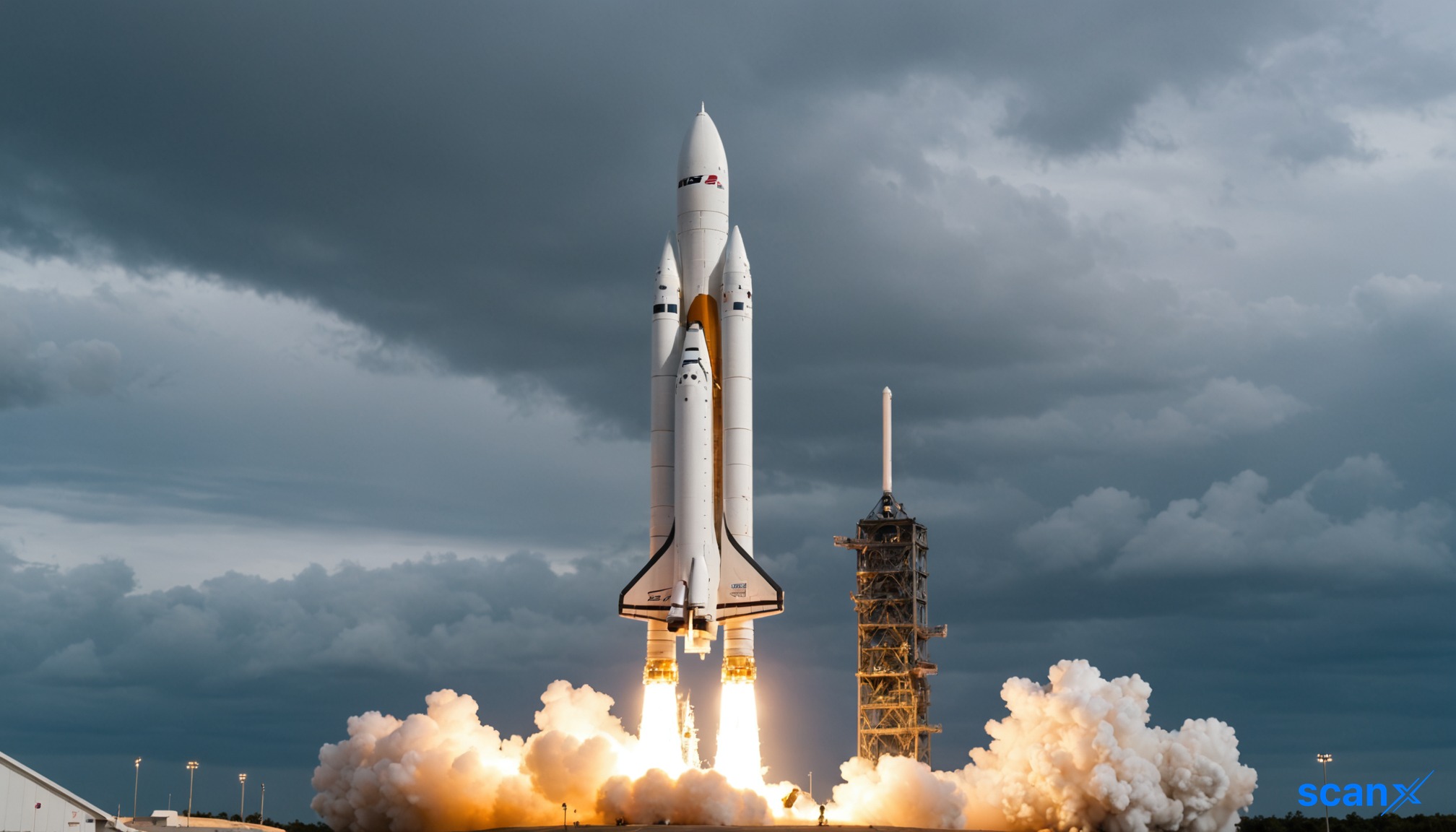

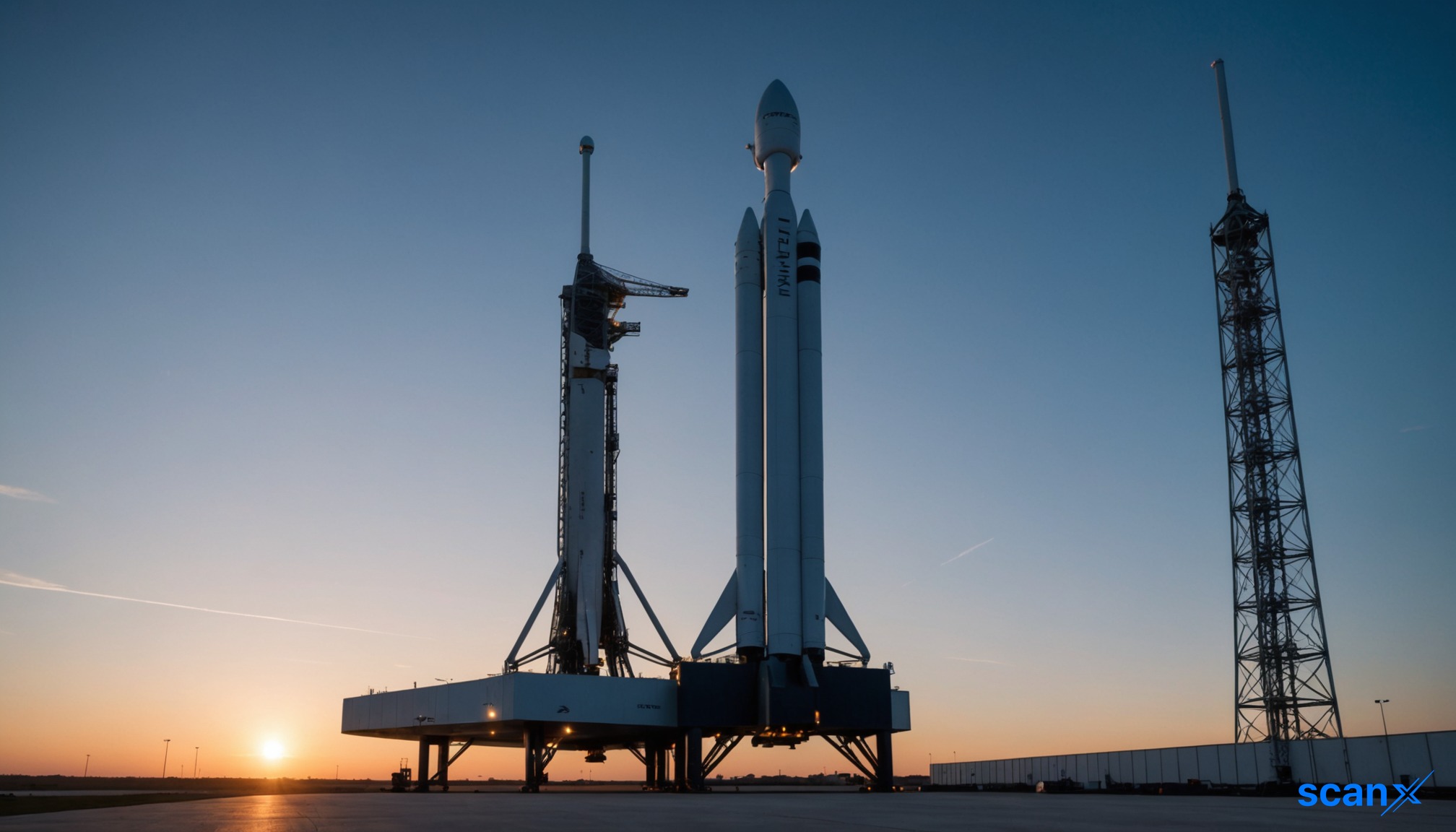
*this image is generated using AI for illustrative purposes only.
SpaceX (NASDAQ: SPCX) added approximately $100 billion in market value on Wednesday, lifting its total valuation to roughly $2 trillion. The surge coincides with preparations for Starship Flight 14 and continued passive inflows following its Nasdaq-100 inclusion.
Shares closed at $150.88, up 5.15% from Tuesday’s $143.49 finish. This single-day gain exceeded the entire market capitalization of Rocket Lab Corp. (NASDAQ: RKLB), which stands at about $38.1 billion. SpaceX’s current valuation is now more than two and a half times that of its closest public rival.
Catalysts Behind the Rally
Two primary factors drove the bid. First, SpaceX plans to attempt its first orbital insertion with Starship on Flight 14 as early as Tuesday, Sept. 22. The mission aims to release 26 Starlink V3 satellites and reach an orbit of roughly 275 kilometers. CFO Bret Johnsen stated this will be the rocket’s first revenue-generating flight.
Second, passive demand remains strong after Elon Musk’s company entered the Nasdaq-100 on July 7. J.P. Morgan estimated the index addition could pull in $4.3 billion of passive flows, forcing benchmarked funds to buy shares regularly.
Volatility and Supply Dynamics
The $100 billion jump is consistent with SpaceX’s volatile trading history. Shares debuted at $135 on June 12, jumping 19% to near $2.1 trillion before shedding more than $1 trillion in value through early August. The 52-week range runs from $104.83 to $225.64.
Supply constraints remain a key watchpoint. Lockup restrictions are set to lift through Dec. 8, raising the tradable float to 40% of the company. The remaining 60%, including Musk’s stake, stays locked until mid-2027.
Market Reaction and Valuation Context
Pivotal Research initiated coverage with a Buy rating and a $220 target price, citing rapid Starship reuse as a key valuation driver. This target sits about 45% above recent closes. Traders on Polymarket assigned a 92.5% chance to Flight 14 launching by Sept. 30.
Cathie Wood estimated each Starship launch could generate roughly $1 billion in revenue, projecting potential annual revenues of $10 trillion by 2030 if Musk’s goal of 10,000 flights a year is met.
What the Numbers Show
Starlink generated $11.4 billion in revenue last year, compared to the roughly $4.3 billion value of SpaceX’s NASA lunar contracts. This disparity highlights the immediate financial weight of the satellite internet division. While NASA provides roughly 20% of total revenue, the Starlink segment dominates the top line, suggesting near-term cash flow relies heavily on satellite deployment rather than government exploration milestones.

How might the lifting of lockup restrictions through December 8 impact SpaceX's stock price stability given the current high valuation?
What are the potential regulatory hurdles for achieving Cathie Wood's projection of 10,000 Starship launches annually by 2030?
Could the success of Starship Flight 14 in generating revenue significantly alter the market's perception of SpaceX's reliance on Starlink versus government contracts?
 20










 Access Market Heat-map & Insights
 Create, Save & Share your Screener
 Use 200+ Screening Filters





