

SpaceX Q2 Results: Capex Jumps To $18 Billion, Stock Rebounds 32%


SpaceX Q2 results show segment revenues of $4.2B (Connectivity), $2.5B (AI), and $962M (Space), offset by an $18B Capex surge. Stock rebounds 32%, lifting Musk's wealth to $858B. Analysts target $230/share, implying a $3T market cap.

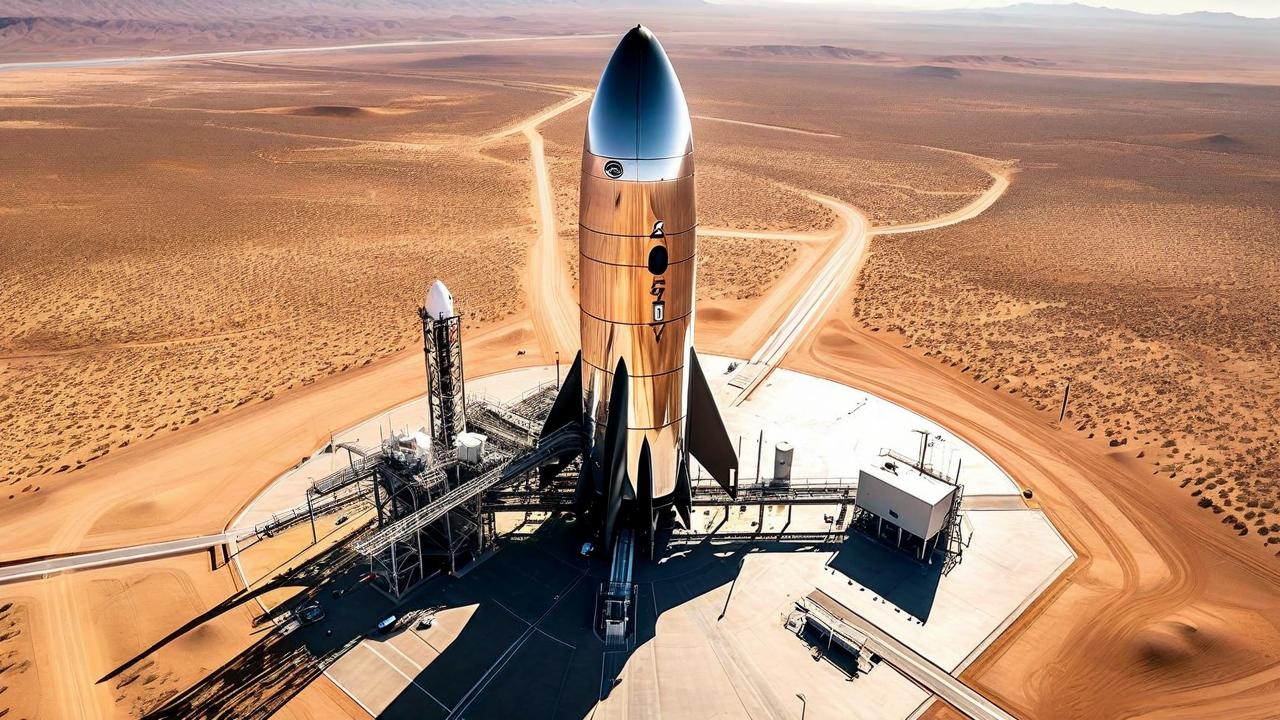

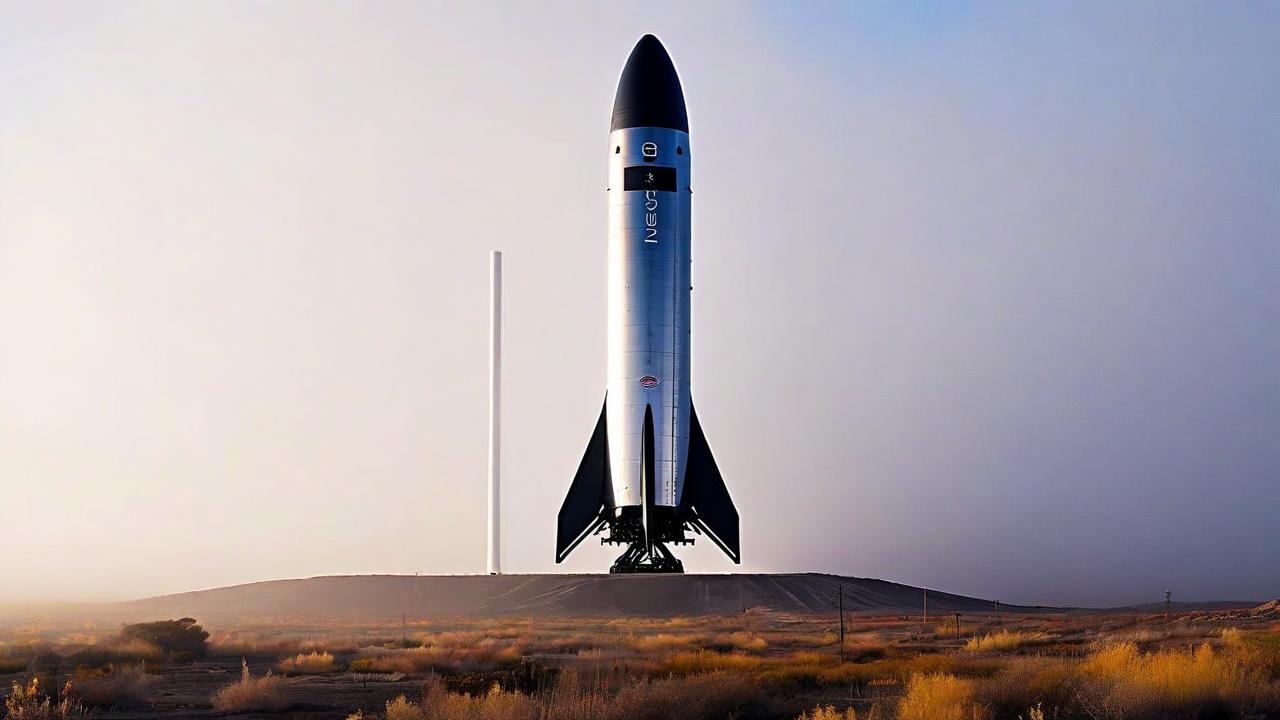
*this image is generated using AI for illustrative purposes only.
SpaceX (NASDAQ: SPCX) shares have rebounded 32% from their post-IPO lows, driven by strong growth in its connectivity and artificial intelligence segments despite a sharp rise in capital expenditure. The recovery in the private aerospace giant’s valuation has significantly boosted Elon Musk’s wealth, which stands at over $858 billion, adding more than $150 billion in the past two weeks.
Financial Performance And Segment Growth
SpaceX disclosed revenue figures for its three key business segments for the second quarter. The connectivity segment emerged as the largest contributor, generating $4.2 billion in revenue. The AI segment followed with $2.5 billion, while the space business recorded $962 million.
| Segment: | Q2 Revenue: |
|---|---|
| Connectivity: | $4.2 billion |
| AI: | $2.5 billion |
| Space: | $962 million |
While top-line growth across these divisions is evident, the company faces substantial pressure on its balance sheet due to aggressive spending. Capital expenditure (Capex) soared to $18 billion in the second quarter, an increase of $8 billion compared to the same period last year. For the first six months of the year, SpaceX spent a total of $28 billion on capital investments. This trajectory suggests continued heavy outflows as the company scales its infrastructure.
What The Numbers Show
The divergence between revenue generation and capital intensity is the defining feature of SpaceX’s current financial profile. With Q2 Capex at $18 billion against total disclosed segment revenues of approximately $7.66 billion ($962M + $4.2B + $2.5B), the company is spending more than double its current quarterly revenue intake on infrastructure. This indicates that the recent revenue growth is being reinvested aggressively rather than flowing directly to the bottom line, a pattern typical of high-growth technology and infrastructure firms scaling rapidly. The sustainability of this model depends entirely on the future conversion of these capital investments into higher-margin recurring revenue streams, particularly in the AI and connectivity sectors.
Market Outlook And Analyst Estimates
Analysts remain optimistic about the long-term impact of these expenditures, citing major deals inked with companies such as Alphabet, Reflection AI, and Anthropic as evidence that AI spending is already yielding returns. Market expectations point to accelerated revenue growth, with annual revenue projected to jump to $44.5 billion this year and potentially reaching $95 billion next year.
Benzinga data indicates a consensus price target of $230 for SPCX stock, representing a 65% upside from current levels. Achieving this target would imply a market capitalization of $3 trillion. Given Musk’s stake of 4.7 billion shares, such a valuation would place his holding at approximately $3.03 trillion, reinforcing his position as the world’s richest person.
Tesla Stock Also Rises
Elon Musk’s wealth accumulation is further supported by a rebound in Tesla (NASDAQ: TSLA) shares. After bottoming at $297 in August, Tesla stock has risen to $342, attempting to fill the fair value gap formed after its previous earnings release. The rally follows reports of rising sales in China and Europe.
In the first six months of the year, the Tesla Model Y sold 180,000 vehicles, making it the second-best-selling vehicle in its category after Geely’s Xingyuan. Musk owns between 11% and 12% of Tesla, contributing to his overall net worth increase despite a drop of $5.65 billion on Friday.

How sustainable is SpaceX's current capital expenditure trajectory of $18 billion per quarter before it achieves profitability in its AI and connectivity segments?
What specific milestones must SpaceX hit to justify the consensus price target of $230 and a potential $3 trillion market capitalization?
How might the aggressive expansion of SpaceX's AI infrastructure impact the competitive landscape for established cloud providers like AWS and Azure?
 19
19








 Access 50+ Readymade Screeners
  Use 200+ Custom Filters
  Get Full Market Insights





