

Nvidia H100 rental price rises 22% to $3.28 an hour


- H100 GPU rental prices rose 22% in a month to $3.28 per hour
- Jensen Huang labels Nvidia compute as fungible and highly rentable
- Partnerships aim to mobilize over $500 billion for AI infrastructure
- Analysts warn Chinese chip capacity could weaken GPU collateral value
- Shares fell 0.38% to $229.49 in after-hours trading

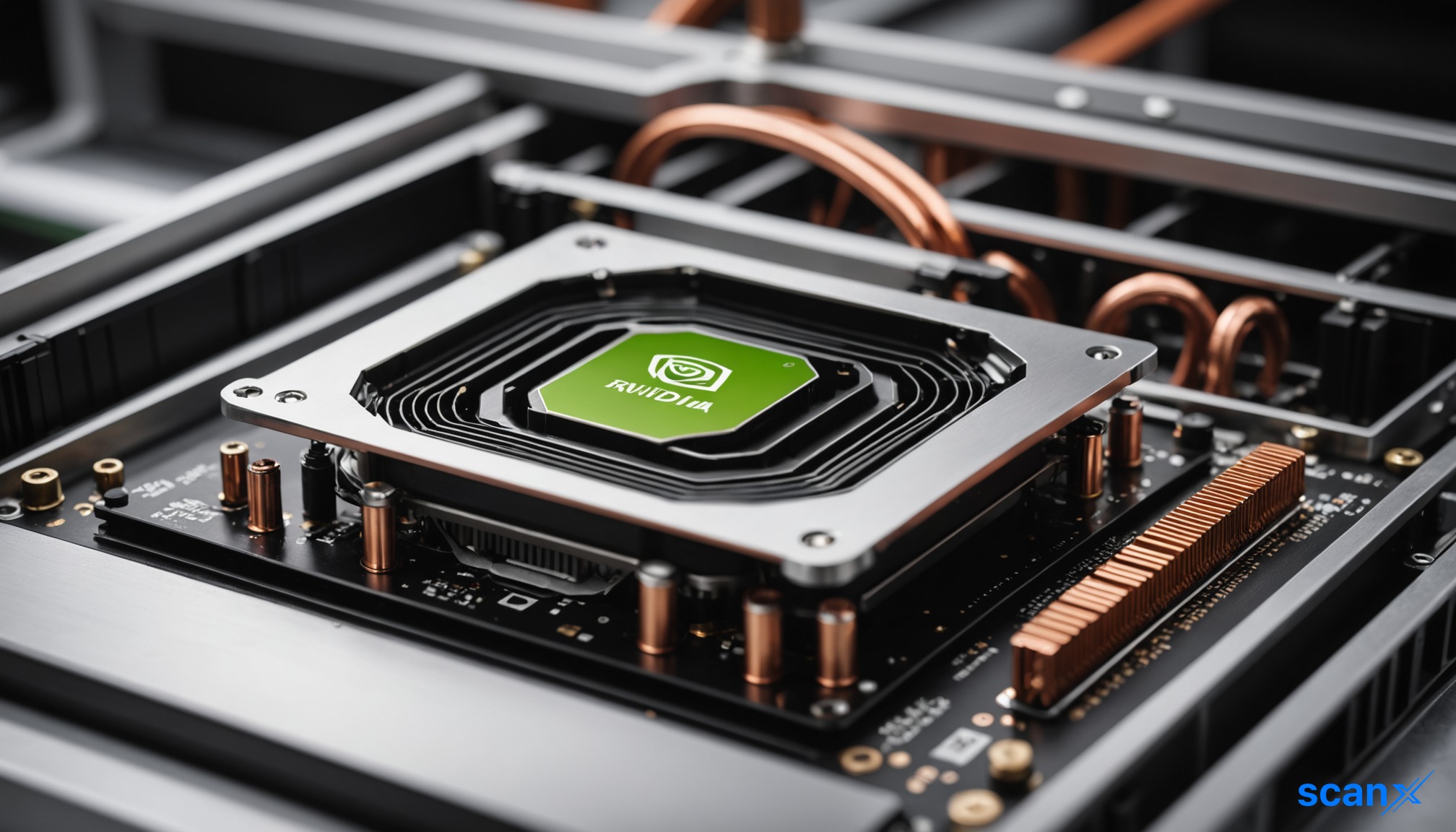

*this image is generated using AI for illustrative purposes only.
Nvidia Corp (NASDAQ: NVDA) shares traded slightly lower after-hours on Monday as CEO Jensen Huang reinforced the view that AI hardware is becoming a financeable asset class. Rental prices for the company’s three-year-old H100 GPUs climbed 22% in a month to $3.28 per hour, according to Ornn Exchange data.
Compute as a Revenue-Generating Asset
Huang described Nvidia compute as "fungible, durable and highly rentable" in a post on X. He characterized it as a productive, revenue-generating asset rather than conventional depreciating equipment.
The price increase for the H100 contradicts standard depreciation models, which typically assume older hardware loses value over time. Strong demand for AI computing has enabled some Nvidia GPUs to maintain or increase their rental economics despite their age.
| Metric | Value | Change |
|---|---|---|
| H100 Rental Price | $3.28 per hour | +22% MoM |
| Chip Age | Three years | N/A |
Infrastructure Financing Push
Huang’s comments align with Nvidia’s broader strategy to treat AI chips like infrastructure. In August, Nvidia announced partnerships with Apollo Global Management (NYSE: APO), BlackRock Inc. (NYSE: BLK), Blackstone Inc. (NYSE: BX), Brookfield Asset Management (NYSE: BAM), Goldman Sachs (NYSE: GS) and KKR & Co. Inc. (NYSE: KKR).
The initiative aims to mobilize more than $500 billion in financing for AI infrastructure. This capital is intended to help AI labs, hyperscalers and enterprises fund data centers and Nvidia hardware using institutional and private sources.
Market Risks and Price Action
Ben Emons, founder of FedWatch Advisors, identified China as a significant threat to this financing strategy. He cautioned in August that China’s rapidly growing domestic AI computing capacity could flood the market with cheaper chips. Such a scenario could spark a price war and weaken the value of Nvidia GPUs used as collateral.
Legendary short-seller Jim Chanos previously warned that critical accounting issues involving Nvidia chips could pose massive financial risk to companies investing aggressively in the sector.
Nvidia shares closed at $230.36 on Friday, up 0.84%. They fell 0.38% to $229.49 in after-hours trading. Benzinga Edge Rankings place Nvidia in the 99th percentile for growth, with positive short-, medium- and long-term price trend ratings.

How might the influx of cheaper domestic AI chips from China impact the collateral value of Nvidia GPUs in the proposed $500 billion financing model?
What specific accounting standards or regulatory changes may be required to classify AI compute as a 'revenue-generating asset' rather than depreciating equipment?
Could the rising rental costs for older H100 GPUs signal an impending supply bottleneck that will accelerate the adoption of Nvidia's next-generation Blackwell architecture?
 15
15










 Access Market Heat-map & Insights
  Create, Save & Share your Screener
  Use 200+ Screening Filters





