Figure AI secures $3.5B Nvidia GPU deal for humanoid robots

scanx
Reviewed by
Ritika DScanX News Team
Key Highlights
  • Figure AI partners with Nscale to deploy up to 100,000 Nvidia Vera Rubin GPUs
  • Initial compute commitment stands at $3.5 billion, scaling beyond $6 billion
  • Deployments expected to begin in the second half of 2027
  • Partnership aims to train Helix robotics foundation model using massive data sets
powered bylight_fuzz_icon
50091650

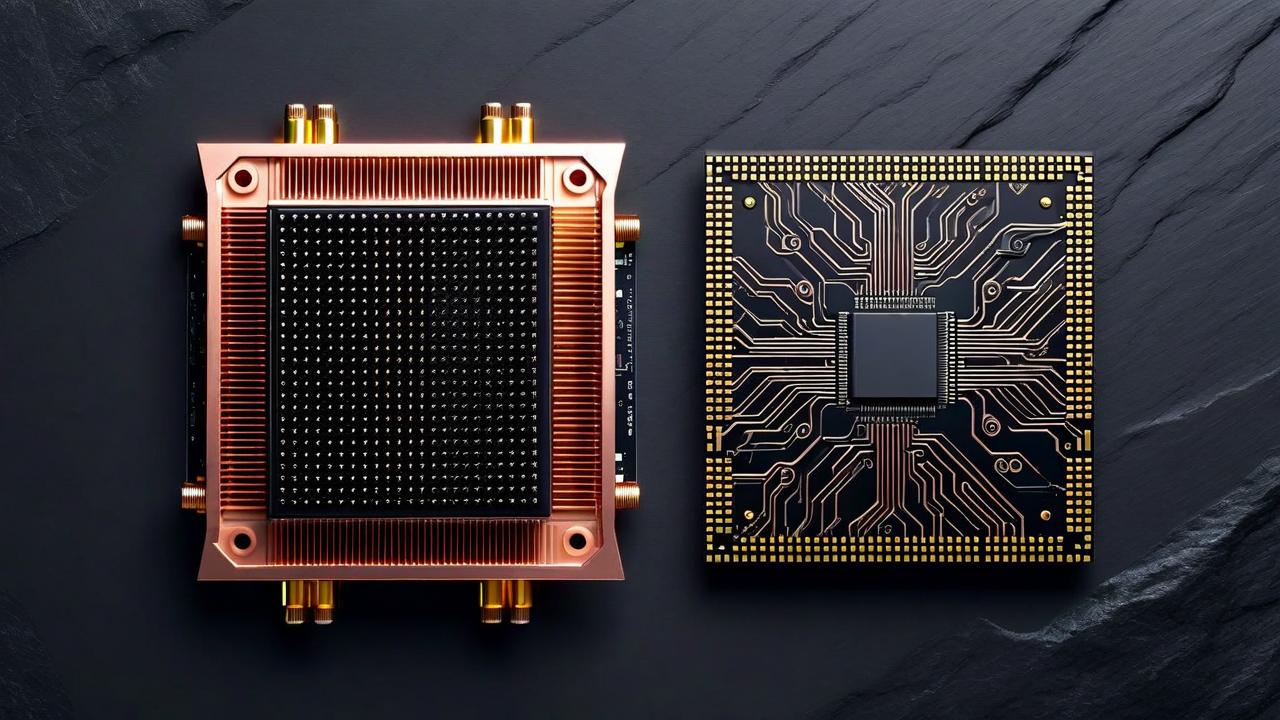
*this image is generated using AI for illustrative purposes only.

Humanoid robotics startup Figure AI has secured access to up to 100,000 Nvidia Corp (NASDAQ: NVDA) Vera Rubin GPUs through a strategic partnership with cloud provider Nscale. The agreement includes an initial compute commitment of $3.5 billion, with plans to scale beyond $6 billion as the company trains its Helix robotics foundation model.

Beyond Chatbots

Deployments are expected to begin in the second half of 2027. Figure stated that its primary constraint is no longer hardware manufacturing but the data and compute required for training. The company’s Index data platform generates 35 minutes of training data every second, necessitating immense computational power to scale physical intelligence.

Nvidia CEO Jensen Huang described the partnership as activating a "robotics flywheel." Figure’s AI models will train on Nvidia’s Vera Rubin platform via Nscale’s cloud, validate in Nvidia Isaac Sim, and ultimately deploy on Nvidia-powered robots. This framework positions robotics as a distinct long-term demand driver for Nvidia’s ecosystem, separate from traditional large language model workloads.

What the Numbers Show

The deal highlights a structural shift in AI infrastructure spending. While much of the market focus remains on generative text and code, Figure’s $3.5 billion initial commitment underscores the heavy compute requirements of physical AI. Training humanoid robots to perceive and interact with the physical world requires continuous processing of visual and behavioral data, creating a new revenue stream for chipmakers beyond hyperscalers.

Metric Value
Initial Commitment $3.5 billion
Total Potential Value >$6 billion
GPU Count Up to 100,000
Platform Nvidia Vera Rubin
Deployment Start H2 2027

For Nvidia, this partnership broadens its customer base beyond cloud providers and AI labs. It reinforces the view that physical AI represents the industry’s next frontier, with demand increasingly driven by machines operating in the real world rather than just digital interfaces.

Disclaimer: This article is AI-generated using data from ViewTrade. ScanX is not liable for any inaccuracies.

How might this $3.5 billion commitment impact Nvidia's revenue diversification strategy relative to its traditional hyperscaler clients?

What are the potential supply chain bottlenecks for securing 100,000 Vera Rubin GPUs, and how could they delay the H2 2027 deployment timeline?

Could Figure's success in scaling physical AI trigger a competitive bidding war among other humanoid robotics startups for limited Nvidia compute resources?

like16
dislike

Nvidia acts as AI buyer of last resort to backstop boom, economist says

scanx
Reviewed by
Ashish TScanX News Team
Key Highlights
  • Tyler Cowen calls Nvidia a 'buyer of last resort' for AI, arguing this support adds durability to the boom
  • Nvidia partnered with six major financial firms to mobilize over $500 billion for AI infrastructure
  • The company guaranteed $105 billion in lease obligations for SB Energy while investing $1.5 billion directly
  • Cowen compares the sector to 1920s automobiles, noting product utility outweighs bubble concerns
  • Polymarket traders see only a 12% chance of an AI bubble burst occurring this year
powered bylight_fuzz_icon
50086849

*this image is generated using AI for illustrative purposes only.

Prominent economist Tyler Cowen argues that Nvidia (NASDAQ: NVDA) is acting as a "buyer of last resort" for the artificial intelligence industry, a role he believes makes the current boom more durable rather than indicative of a bubble.

Cowen told the Prof G Markets podcast on Friday that Nvidia is investing billions across an AI sector that ultimately purchases its chips. He suggested this dynamic helps new technologies bootstrap themselves, similar to how automobiles developed in the 1920s despite many firms failing.

Nvidia Helps Finance Its Own Customers

Cowen addressed concerns that tech giants are financing an industry that subsequently spends heavily on their infrastructure. He noted that Microsoft, Alphabet, and Meta can play similar roles in supporting the ecosystem.

Nvidia has expanded beyond selling GPUs to actively facilitating capital for its customers. On Aug. 10, the company partnered with Apollo, BlackRock, Blackstone, Brookfield, Goldman Sachs, and KKR to establish financing platforms. These platforms aim to mobilize more than $500 billion of third-party capital for AI compute infrastructure.

Partner Role Capital Target
Apollo, BlackRock, Blackstone, Brookfield, Goldman Sachs, KKR Financing platform partners >$500 billion
SB Energy Data-center campus partner $105 billion guarantee

A week later, Nvidia agreed to guarantee up to $105 billion of OpenAI-linked lease obligations at SB Energy’s Ohio data-center campus. The company also agreed to invest $1.5 billion in SB Energy and serve as the exclusive AI compute provider for the site, according to Reuters.

Bubble Debate Misses the Point

Cowen dismissed the debate over whether AI constitutes a bubble as the "wrong discussion." He argued investors should instead ask if the product works, stating the answer is a "very clear yes."

He compared the current landscape to the early automobile industry, where many companies failed without rendering the underlying technology worthless. While he acknowledged that debt-financed data centers could create "bad macro consequences" such as capital losses or solvency problems if the boom reverses, he stated the fallout would likely fall well short of the 2008 financial crisis.

Polymarket traders assign a 12% chance of the AI bubble bursting this year, suggesting limited near-term collapse risk among betting markets.

What the Numbers Show

The scale of Nvidia’s financial commitments highlights a shift from pure hardware sales to infrastructure financing. The $105 billion lease guarantee for SB Energy dwarfs its direct $1.5 billion equity investment in the same project, indicating a strategy where credit enhancement drives adoption more than direct capital injection.

Disclaimer: This article is AI-generated using data from ViewTrade. ScanX is not liable for any inaccuracies.

How might Nvidia's shift from pure hardware sales to infrastructure financing alter its risk profile and revenue stability in a potential AI downturn?

What are the systemic risks to global financial markets if the $500 billion in mobilized third-party capital for AI compute fails to generate expected returns?

Could Nvidia's role as a 'buyer of last resort' create antitrust concerns or regulatory scrutiny regarding its dominance over the AI ecosystem's funding?

like15
dislike

More News on NVIDIA Corp