
 NewsNew Study Confirms PLA Microplastics Break Down Safely in Indian Soil, Unlike Conventional Plastics
New Study Confirms PLA Microplastics Break Down Safely in Indian Soil, Unlike Conventional Plastics


A government-affiliated academic institution has confirmed through a scientific study that PLA microplastics degrade safely in Indian soil, with particle counts falling from 287 particles/kg to 18 particles/kg within 180 days. Conventional plastics, by contrast, showed almost no reduction over the same period. Heavy metal levels in degraded PLA remained within safe international limits, and earthworms exposed to PLA demonstrated healthy biological activity. The findings were disclosed by Balrampur Chini Mills Limited under Regulation 30 of SEBI (LODR) Regulations, 2015, on 6th May, 2026.


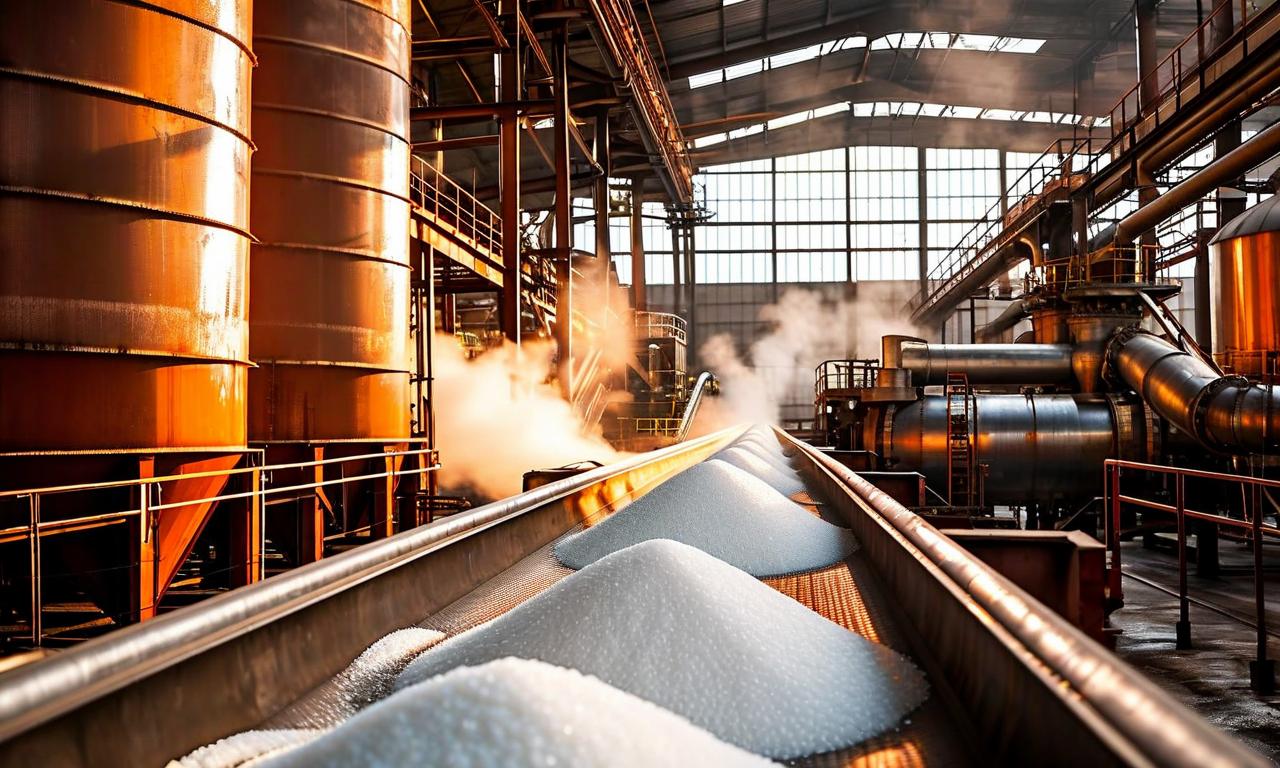
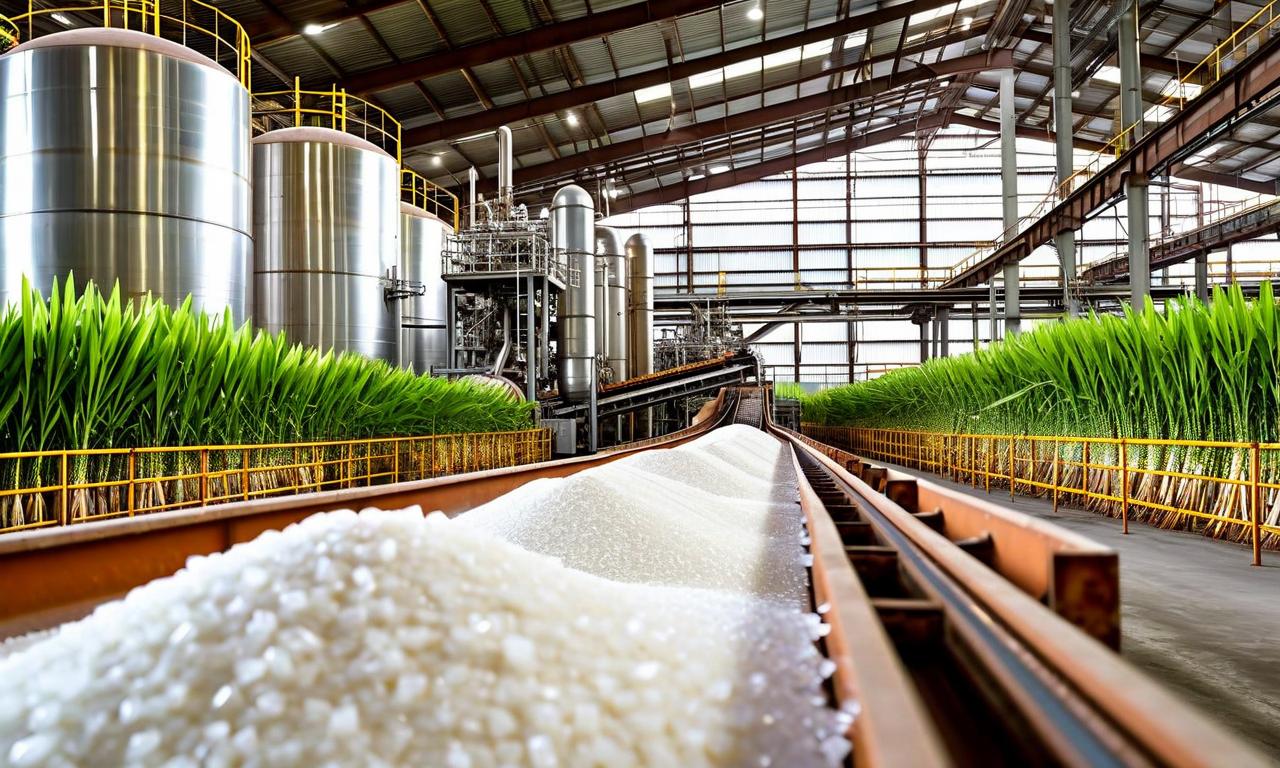
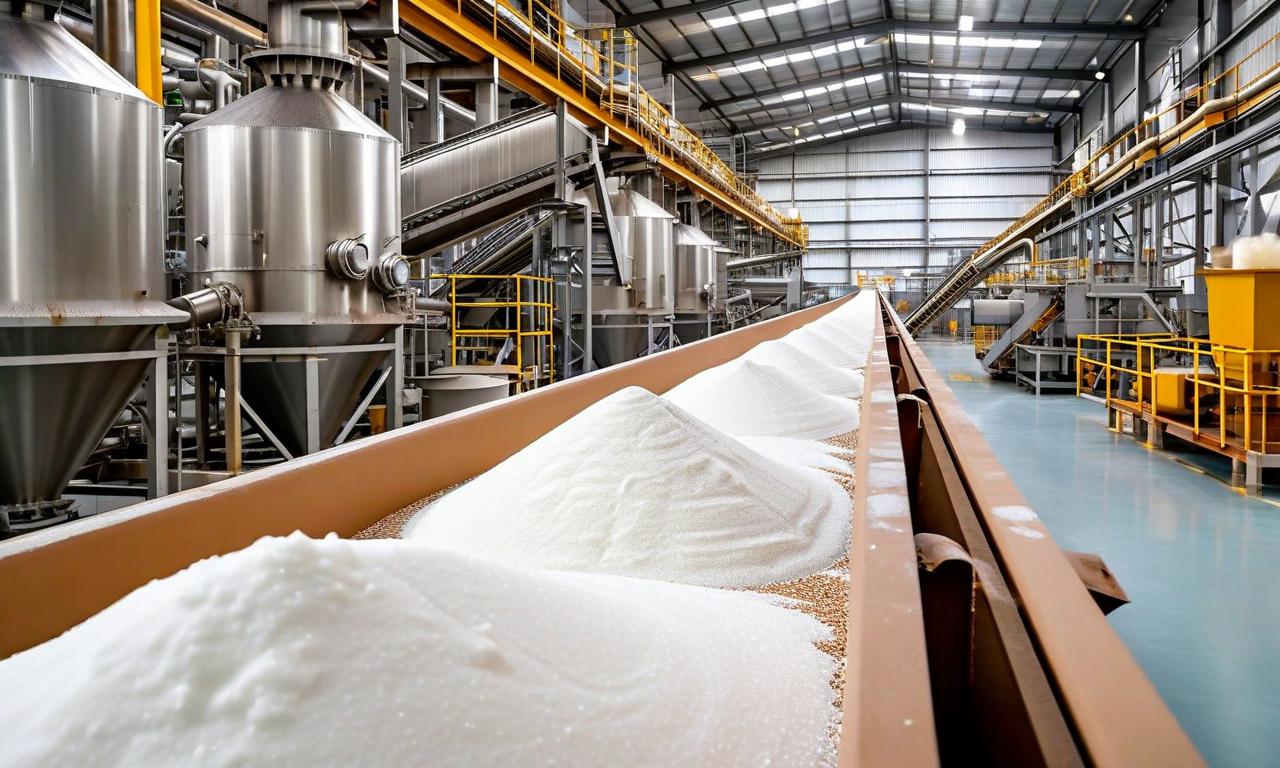
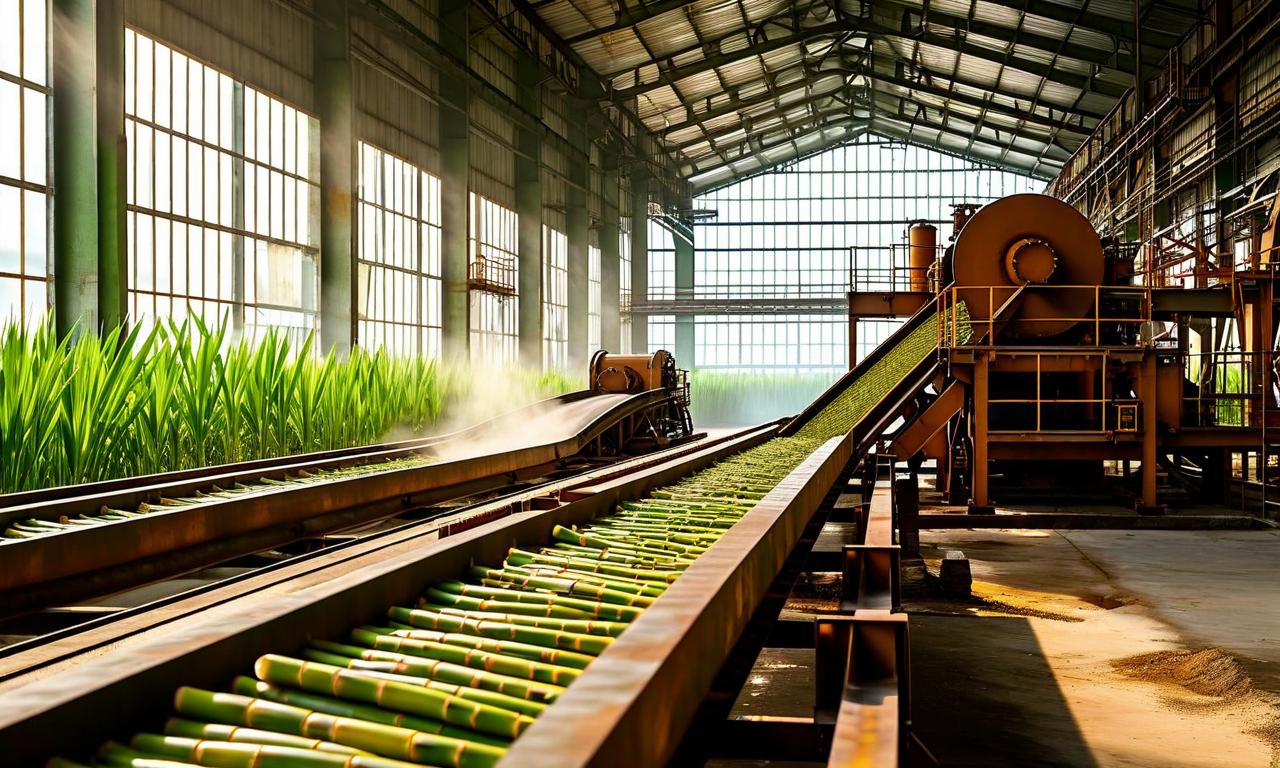
*this image is generated using AI for illustrative purposes only.
A new scientific study conducted by a premier academic institution under the Ministry of Chemicals & Fertilizers, Government of India—dedicated to higher and technical education across the plastics value chain and operating through a network of centres across the country—has confirmed that Polylactic Acid (PLA), a compostable polymer, degrades into safe natural substances in Indian soil conditions without leaving harmful microplastics behind. The findings, disclosed by Balrampur Chini Mills pursuant to Regulation 30 of the SEBI (Listing Obligations and Disclosure Requirements) Regulations, 2015, on 6th May, 2026, mark a significant development for the Indian bioplastics sector.
Key Study Findings
The study evaluated PLA microplastics in Indian soil over 30, 60, 90, 120, and 180 days, demonstrating substantial degradation. The following table summarises the core outcomes:
| Parameter: | Details |
|---|---|
| Starting Particle Count: | 287 particles/kg |
| Particle Count at Day 180: | 18 particles/kg |
| Evaluation Period: | 30, 60, 90, 120, and 180 days |
| Heavy Metal Levels: | Within safe international limits |
| Earthworm Biological Activity: | Healthy; able to process PLA |
| Conventional Plastics Degradation: | Almost no reduction observed |
The key findings of the study can be summarised as follows:
- PLA breaks down naturally: Over 180 days, PLA microplastics reduced drastically from 287 particles/kg to just 18 particles/kg, showing near-complete degradation.
- Conventional plastics persist: Conventional plastics showed almost no reduction in microplastics, remaining in soil even after 6 months.
- No toxic residue from PLA: Heavy metal levels in degraded PLA remained well within safe international limits, making it safe for soil and agriculture.
- Supports soil life: Earthworms exposed to PLA showed healthy biological activity and were able to process it, unlike fossil-based plastics.
Scientific and Industry Perspectives
S K Nayak, Former Director General of Central Institute of Petrochemicals Engineering & Technology (CIPET), commented on the findings: "The recent study findings highlight a clear difference in how materials behave in the environment. Conventional plastics resist degradation and persist as microplastics in soil. In contrast, PLA undergoes rapid breakdown under sunlight and soil conditions, followed by true biodegradation. Within 180 days, it is largely converted into simple, bio-assimilable compounds, as confirmed by scientific analysis and biological testing. This establishes that PLA does not contribute to long-term microplastic pollution and offers a scientifically validated sustainable alternative."
Vikram Bhanushali, President of the Indian Compostable Polymer Association (ICPA), stated: "This study marks an important milestone in demonstrating that PLA and PLA-based materials can effectively biodegrade under Indian environmental conditions without leaving harmful residues. It reinforces the role of certified compostable solutions in applications where biodegradation is essential to prevent the accumulation of unrecoverable plastic waste. Importantly, these findings provide robust scientific backing for India to further reinforce and evolve its policy framework by formally integrating truly biodegradable materials into its core environmental, circularity, and sustainability strategies."
Company's Position on PLA
Avantika Saraogi, Executive Director, Balrampur Chini Mills Ltd, remarked: "This study represents a significant milestone for the Indian bioplastics sector. Traditionally, discussions were based on perceptions. However, today, there is scientific proof that materials like PLA can be recycled back into nature without creating any long-term environmental damage. The future of plastics should be focused not only on minimizing plastic waste but also developing materials that help in the recycling process within nature and that is the direction in which the industry is moving forward."
About Balrampur Chini Mills Limited
Balrampur Chini Mills Limited is one of the largest integrated sugar companies in India. The company's allied businesses comprise distillery operations and cogeneration of power. It presently has ten sugar factories located in Uttar Pradesh, India, with an aggregate sugarcane crushing capacity of 80,000 TCD, distillery and co-generation operations of 1050 KLPD and 175.7 MW (Saleable) respectively. The company is also in the process of setting up India's first Poly Lactic Acid (PLA) plant of 80,000 TPA capacity.
Historical Stock Returns for Balrampur Chini Mills
| 1 Day | 5 Days | 1 Month | 6 Months | 1 Year | 5 Years |
|---|---|---|---|---|---|
| +1.70% | +2.75% | +5.00% | +52.68% | +56.70% | +92.01% |

How might this scientific validation of PLA biodegradability influence India's upcoming plastic waste management policy revisions and regulatory framework for compostable materials?
What competitive advantages could Balrampur Chini Mills gain once its 80,000 TPA PLA plant becomes operational, given this study's findings and growing global demand for certified compostable polymers?
Could this study accelerate adoption of PLA-based packaging among Indian FMCG and food companies, and what timeline might we expect for meaningful commercial uptake?
 20
20






 Access Market Heat-map & Insights
  Create, Save & Share your Screener
  Use 200+ Screening Filters





