

East West Freight posts FY26 net loss of ₹3.75 crore on revenue drop


- Consolidated net loss of ₹3.75 crore in FY26 versus profit of ₹1.52 crore in FY25
- Revenue from operations declined 29% YoY to ₹201.63 crore
- Finance costs remained high at ₹7.96 crore, impacting bottom line despite positive operating profit
- Q1FY27 showed recovery with return to positive consolidated bottom line on ₹45.56 crore revenue

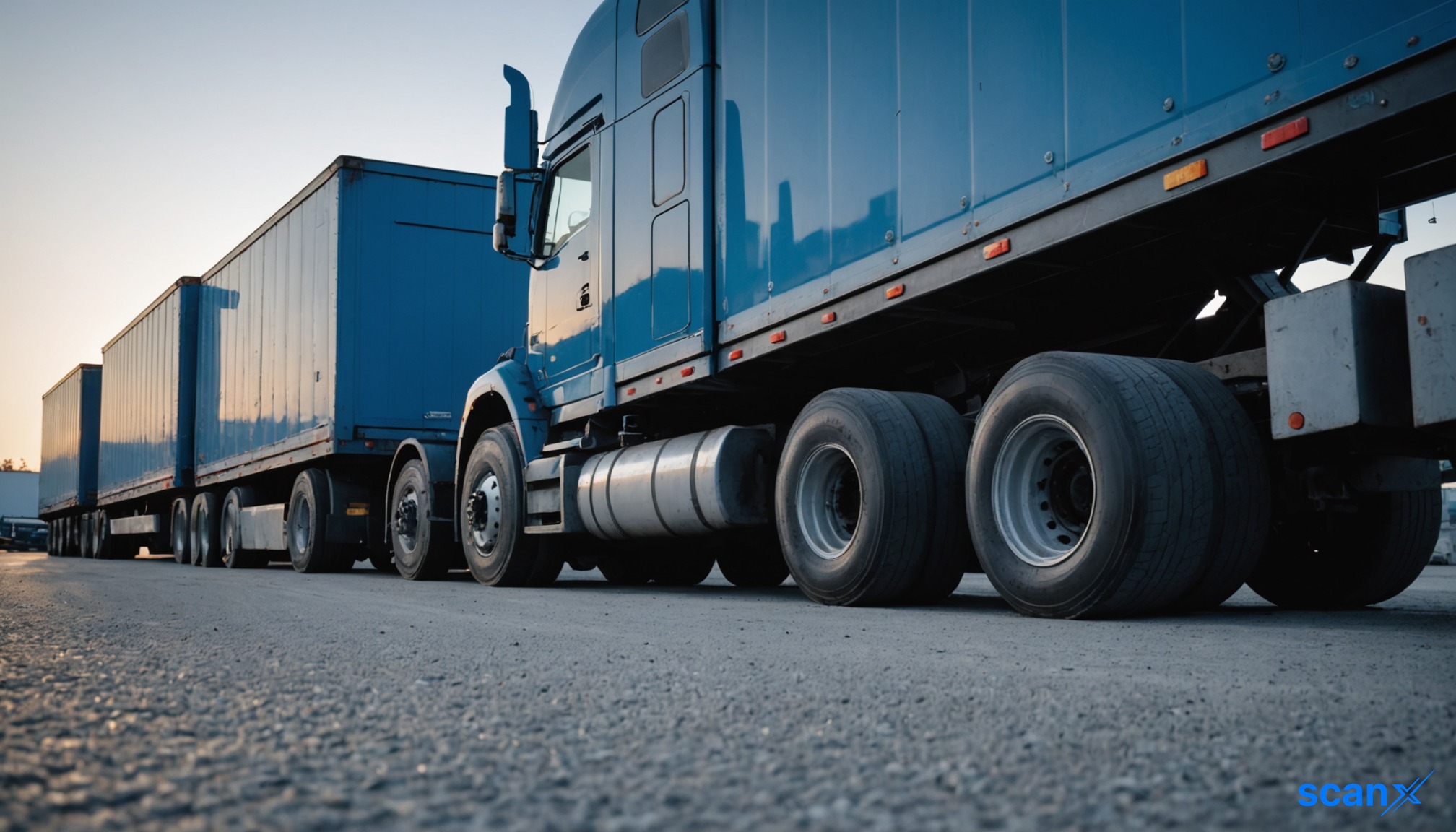

*this image is generated using AI for illustrative purposes only.
East West Freight Carriers Limited reported a consolidated net loss of ₹3.75 crore for the financial year ended March 31, 2026, compared to a profit of ₹1.52 crore in the previous year. The shift to losses was driven by a significant contraction in revenue and rising finance costs amidst global logistical challenges.
Consolidated revenue from operations declined 29% YoY to ₹201.63 crore, down from ₹285.35 crore in FY25. The company attributed this top-line pressure to external macro factors, including new US tariff policies that delayed overseas shipments and supply chain disruptions stemming from conflicts in the Middle East, which inflated global shipping times and costs.
Financial Performance Overview
The standalone performance mirrored the consolidated trend, with the company recording a net loss of ₹4.62 crore against a profit of ₹0.63 crore in FY25. Standalone revenue stood at ₹181.73 crore, reflecting a similar downward trajectory due to reduced volumes in air and ocean freight segments.
| Metric | FY26 (Consolidated) | FY25 (Consolidated) | Change |
|---|---|---|---|
| Revenue from Operations | ₹201.63 crore | ₹285.35 crore | -29.3% |
| Profit Before Tax | -₹4.53 crore | ₹2.34 crore | N/A |
| Net Profit/Loss | -₹3.75 crore | ₹1.52 crore | N/A |
| Finance Costs | ₹7.96 crore | ₹8.03 crore | -0.9% |
Operational Headwinds and Cost Pressures
Management highlighted that while operating profit remained positive before interest, the final bottom line was impacted by fixed debt-servicing costs and temporary geopolitical freight cost escalations. Finance costs remained elevated at ₹7.96 crore, closely tracking the previous year's ₹8.03 crore, indicating persistent leverage despite lower revenue generation.
The company noted that core domestic demand foundations remained intact, but international trade frictions and route realignments created a transient volume decline. The board views these impacts as non-structural, expecting stabilization as trade routes normalize.
What the Numbers Show
A critical divergence is visible between the sharp 29% decline in revenue and the relatively flat finance costs. While revenue contracted significantly, the company's debt burden did not decrease proportionally, leading to a higher effective cost of debt relative to earnings. This imbalance exacerbated the swing from profit to loss, as fixed financial obligations consumed a larger share of the shrinking operating surplus.
Strategic Outlook and Recovery Signals
Despite the FY26 setback, management pointed to early signs of recovery in the first quarter of FY27. For the quarter ended June 30, 2026, consolidated revenue stood at approximately ₹45.56 crore. More notably, the company returned to a positive consolidated bottom line in Q1FY27, driven by improved operating profitability and margin discipline.
Key strategic priorities for the coming period include:
- Restoring sustainable profitability through operational discipline.
- Strengthening cash flows and reducing financing costs.
- Accelerating technology adoption and AI integration for efficiency.
- Exploring high-margin merchant trading opportunities alongside core logistics services.
The company has also secured admission for dealing its securities on the National Stock Exchange (NSE) under the 'Permitted to Trade' category, aiming to broaden its investor base and enhance liquidity.
Historical Stock Returns for East West Holdings Freight Carriers
| 1 Day | 5 Days | 1 Month | 6 Months | 1 Year | 5 Years |
|---|---|---|---|---|---|
| +2.54% | +9.50% | -0.82% | -1.22% | -1.22% | -1.22% |

How will the potential easing of US tariff policies and Middle East conflicts specifically impact East West Freight Carriers' volume recovery trajectory in the second half of FY27?
What specific capital allocation strategies is management implementing to reduce the ₹7.96 crore annual finance cost burden while simultaneously funding AI integration initiatives?
To what extent can the newly proposed high-margin merchant trading segment offset the structural revenue decline in traditional air and ocean freight operations?
 15
15








 Create Custom Screeners
  Access 200+ Pre-built Filters
  Use 50+ Readymade Screener





