Gold Approaches Record High as Weak US Jobs Data and Iran Tensions Drive Safe-Haven Demand

1 min read     Updated on 12 Jan 2026, 05:20 AM
scanx
Reviewed by
Radhika SScanX News Team
Overview

Gold prices are nearing record highs due to weak US jobs data strengthening rate-cut expectations and Iran-related tensions boosting safe-haven demand. The combination of dovish monetary policy outlook and geopolitical uncertainty has created strong support for precious metals, with investors seeking refuge in gold amid economic and political uncertainties.

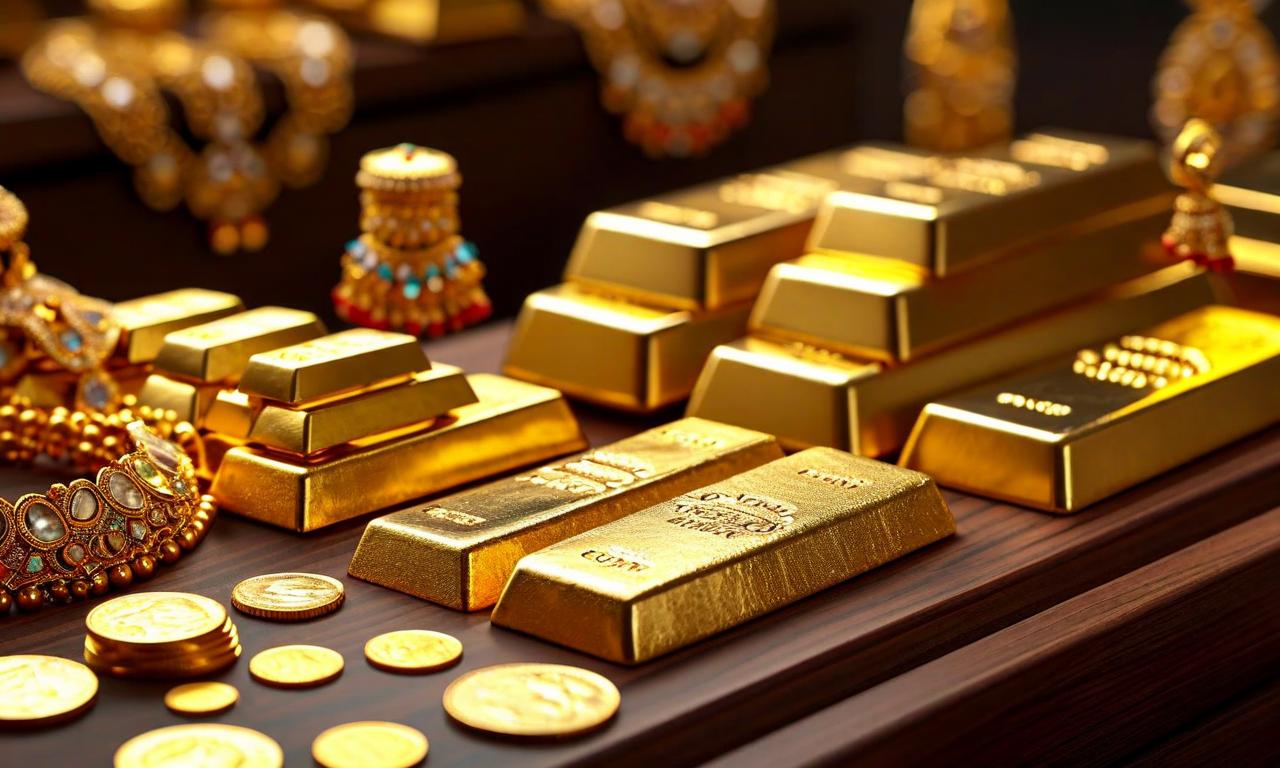
29721049

*this image is generated using AI for illustrative purposes only.

Gold prices are approaching record territory as a combination of weak US employment data and geopolitical tensions creates a perfect storm for precious metal demand. The convergence of economic uncertainty and safe-haven buying has positioned gold for potential new highs.

US Jobs Data Weakens Rate-Cut Expectations

Soft US jobs data has significantly strengthened market expectations for interest rate cuts, providing substantial support for gold prices. Weaker employment figures typically signal economic softening, prompting investors to anticipate more accommodative monetary policy from the Federal Reserve. Lower interest rates reduce the opportunity cost of holding non-yielding assets like gold, making the precious metal more attractive to investors.

The employment data has reinforced market sentiment that the Federal Reserve may need to implement rate cuts to support economic growth, creating a favorable backdrop for gold investment.

Iran Tensions Boost Safe-Haven Demand

Escalating tensions involving Iran have amplified safe-haven demand for gold, as investors seek protection against geopolitical uncertainty. During periods of international conflict or political instability, gold traditionally serves as a store of value and hedge against market volatility.

The geopolitical developments have added another layer of support to gold prices, complementing the monetary policy expectations driven by weak economic data. This dual support mechanism has created sustained upward pressure on precious metal prices.

Market Implications

The combination of dovish monetary policy expectations and geopolitical risk has created an exceptionally supportive environment for gold. Investors are positioning themselves in precious metals as both an inflation hedge and safe-haven asset, driving prices toward record levels.

The current market dynamics suggest continued strength in gold prices as long as economic uncertainty persists and geopolitical tensions remain elevated. The precious metal's performance reflects broader market concerns about economic stability and international security.

like19
dislike

Gen Z Redefines Jewellery Market with Minimalist Designs and Silver Preference

2 min read     Updated on 11 Jan 2026, 08:56 PM
scanx
Reviewed by
Radhika SScanX News Team
Overview

Deloitte research shows Gen Z and Millennials are transforming jewellery markets through preference for minimalist designs (49% favor lightweight pieces), dual-purpose buying (56% see jewellery as both investment and accessory), and metal diversification with 51% of Gen Z preferring silver over gold. Despite generational shifts, gold maintains 96% preference across all age groups, with consumers adapting to price increases through weight reduction and budget adjustments.

29690788

*this image is generated using AI for illustrative purposes only.

The jewellery industry is experiencing a fundamental transformation as Millennials and Gen Z consumers reshape traditional purchasing patterns and design preferences, according to a comprehensive Deloitte report. This generational shift is moving away from ornate, gold-heavy pieces traditionally stored in family collections toward contemporary, minimalist designs that align with modern lifestyle choices.

Design Preferences Shift Toward Minimalism

The report reveals a clear preference for lightweight, minimalist jewellery among younger consumers. Key findings show:

Preference Category Percentage Details
Minimalist Designs 49% Prefer rings, chains, and earrings
Traditional Heavy Sets Lower preference Declining among Gen Z
Daily/Office Wear (Millennials) 32% Prioritize everyday functionality
Birthday/Anniversary Purchases 38% Millennial buying occasions

This shift represents a departure from centuries-old designs toward pieces that complement compact, modern living spaces and contemporary aesthetics.

Investment Versus Accessory Dual Purpose

Modern consumers refuse to choose between investment value and aesthetic appeal. The research indicates that 56% of consumers view jewellery purchases as serving both investment and accessory purposes, while 28% still consider it purely as an investment vehicle. This dual-purpose approach positions jewellery alongside market-linked products such as mutual funds, systematic investment plans, and stocks for wealth creation strategies.

Gen Z consumers are also diversifying their purchasing occasions beyond traditional milestones like marriages. They actively shop for "everyday celebrations" including:

  • Professional promotions
  • Academic graduations
  • Baby showers
  • Casual social gatherings like brunches

Silver Emerges as Gen Z's Preferred Metal

The report identifies a significant shift in metal preferences among younger consumers:

Metal Preference Gen Z Percentage Key Attributes
Silver 51% Design-forward, affordable, everyday wear
Platinum 34% Growing traction among Gen Z
Gold (Investment) 45% consider silver better More affordable investment option

Silver's popularity stems from its design versatility, affordability for repeat purchases, and suitability for gifting and self-purchase occasions. The metal has gained favor not only in consumer preferences but has also outperformed gold in commodities markets.

Gold Maintains Overall Market Dominance

Despite changing preferences among younger demographics, gold retains its position as the dominant precious metal across all age groups. The report shows 96% of respondents across all generations still prefer buying gold jewellery compared to other metals.

Facing rising gold prices, consumers have developed adaptive strategies rather than abandoning the yellow metal:

  • Reducing jewellery weight while maintaining purity levels
  • Increasing allocated budgets for gold purchases
  • Exchanging old gold pieces for new designs
  • Switching to lower karat gold options

These adaptations demonstrate gold's enduring appeal while acknowledging economic realities and changing lifestyle preferences among contemporary consumers.

like15
dislike
More News on Gold and Silver
Explore Other Articles