

Verizon expands 6G forum with nine partners including AWS and Intel


- Verizon added nine members to its 6G Innovation Forum, including AWS, Intel, and NVIDIA
- Successful ISAC trials demonstrated crowd density detection using 40MHz CBRS spectrum
- Qualcomm trials tracked drones using 100 to 400MHz mmWave spectrum while maintaining connectivity
- Prototype AI Sports Companion app tested on edge network with Meta AI glasses
- Los Angeles 2028 Olympics targeted as key proving ground for 6G deployment

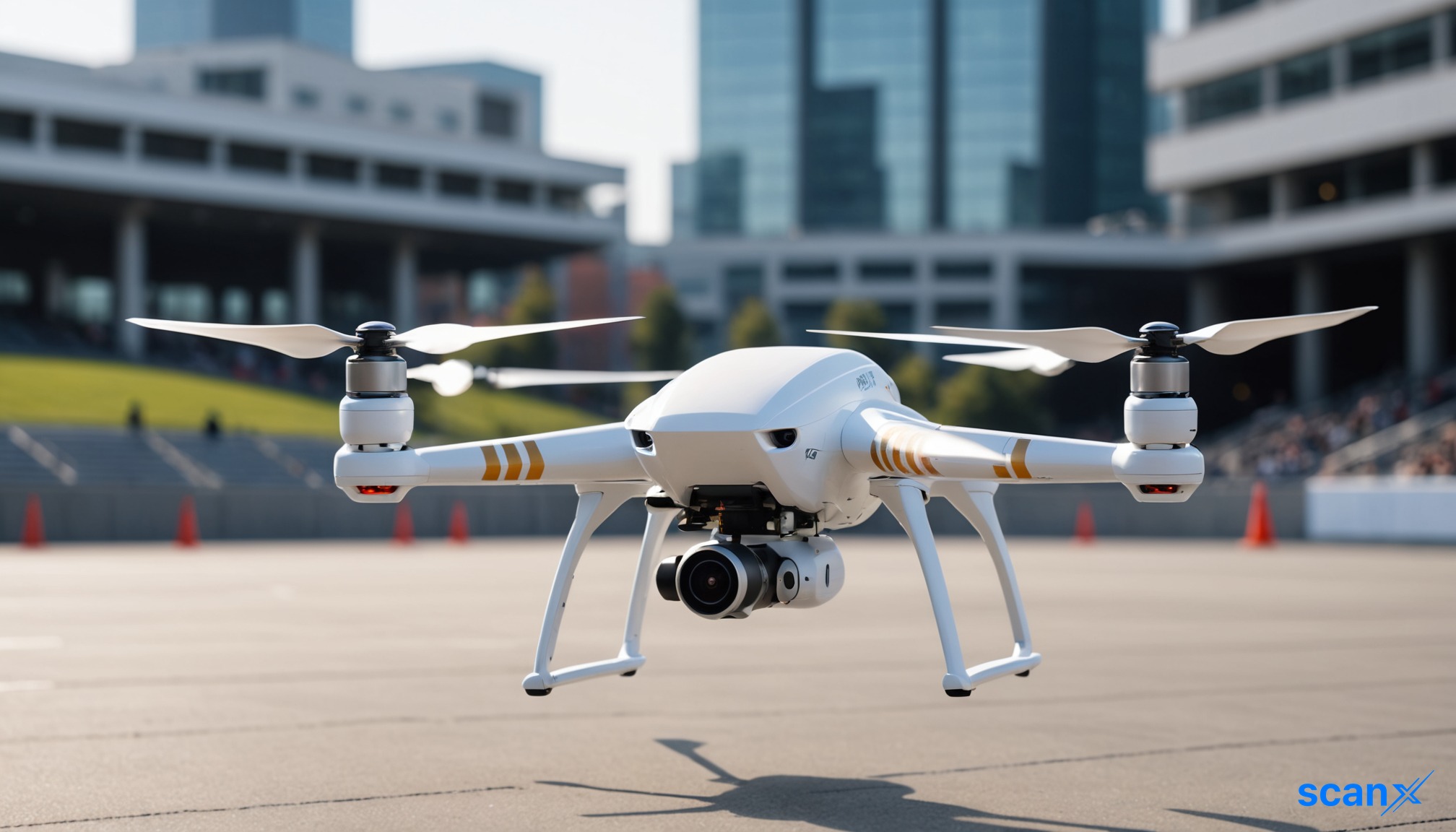

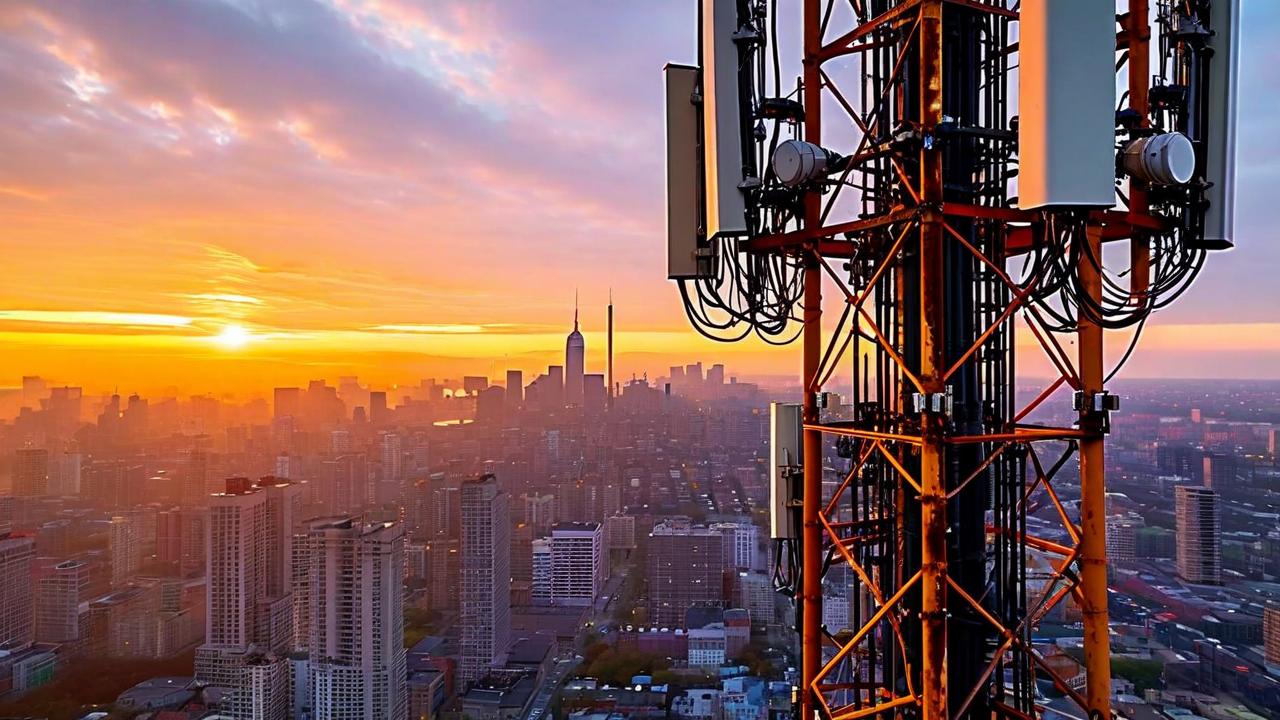
*this image is generated using AI for illustrative purposes only.
Verizon Communications Inc. (NYSE: VZ) has expanded its 6G Innovation Forum by adding nine new industry members, accelerating the development of next-generation wireless architectures.
The expansion includes Amazon Web Services, Cisco, Intel, Keysight Technologies, MediaTek, NVIDIA, Palo Alto Networks, Rohde & Schwarz, and VIAVI Solutions. These firms join founding members Ericsson, Samsung, Nokia, Meta, and Qualcomm Technologies in an effort to build an open and resilient 6G ecosystem.
Strategic Expansion and Capabilities
Yago Tenorio, Chief Technology Officer and Senior Vice President of Technology Development at Verizon, stated that the goal is to ensure the AI-native 6G network is built from day one to scale 5G Advanced capabilities.
The new members bring multi-disciplinary capabilities across cloud services, advanced silicon, accelerated computing, independent automated test emulation, network security, and immersive device graphics simulation. The forum focuses on trialing new use cases, testing spectrum bands, and aligning with global standards bodies like the 3GPP.
| New Forum Members | Core Capability Focus |
|---|---|
| Amazon Web Services | Cloud services |
| Intel | Advanced silicon |
| NVIDIA | Accelerated computing |
| Palo Alto Networks | Network security |
| MediaTek | Device graphics simulation |
| Keysight Technologies | Test emulation |
| Rohde & Schwarz | Test emulation |
| VIAVI Solutions | Test emulation |
| Cisco | Network infrastructure |
Real-World Trials
Verizon highlighted successful field trials targeting Integrated Sensing and Communication (ISAC) use cases with founding partners Samsung and Qualcomm. ISAC transforms cellular networks into distributed radar-like sensors without physical cameras.
Crowd Density Detection
A trial staged at a soccer celebration in Dallas, Texas, represented the industry’s first AI-powered ISAC trial on a virtualized Radio Access Network (vRAN). Using a single 5G base station and 40MHz of CBRS spectrum, the network tracked radio variations from six Samsung Galaxy smartphones. Samsung’s AI RAN platform analyzed signal changes to generate real-time crowd-density heatmaps.
Drone and Vehicle Tracking
Conducted at Qualcomm’s San Diego campus, another trial utilized 100 to 400MHz of millimeter-wave spectrum and four synchronized Transmission and Reception Points (TRPs). The system mapped the position and velocity of an airborne drone and moving ground vehicles while maintaining high-speed 5G Standalone mobile communications for a user on the ground.
AI-Native Applications
Verizon showcased a prototype AI Sports Companion application powered by the Verizon Edge Network. The app uses Meta AI glasses, a locally optimized Small Language Model, and a NVIDIA DGX Spark to provide users with real-time player statistics and game insights via spoken answers.
This prototype explores how future AI-native devices will demand ultra-low latency and a balanced uplink-downlink model, as wearables like smart glasses generate significant uplink data.
Path to Deployment
Verizon views the 2028 Summer Olympics in Los Angeles as the ultimate interim proving ground for commercial 6G deployment. With a dedicated 6G Lab established in Los Angeles, the company plans to stress-test capacity demands and early use cases involving digital twins, robotics, and advanced wearables.
Verizon generated revenues of $138.2 billion in 2025.

How might the integration of AWS and NVIDIA into the 6G ecosystem accelerate the commercial viability of AI-native network services compared to traditional 5G Advanced deployments?
What regulatory or spectrum allocation challenges could arise from using CBRS and millimeter-wave bands for Integrated Sensing and Communication (ISAC) trials in dense urban environments?
Could the success of ISAC trials in crowd density and drone tracking lead to new B2B revenue streams for Verizon beyond consumer mobile subscriptions?
 15
15









 Access Market Heat-map & Insights
  Create, Save & Share your Screener
  Use 200+ Screening Filters





