

Verizon deploys backup power and satellite assets for Tropical Storm Edouard


- Verizon deployed backup generators and satellite assets in Houston and Louisiana for Tropical Storm Edouard
- Permanent site generators hold multiple days of backup power reserves at key locations
- Frontline Crisis Response Team coordinates with public safety agencies in Southeast Texas and Southwest Louisiana
- Customers urged to test emergency satellite messaging on compatible iPhone 14+ and Pixel 9+ devices

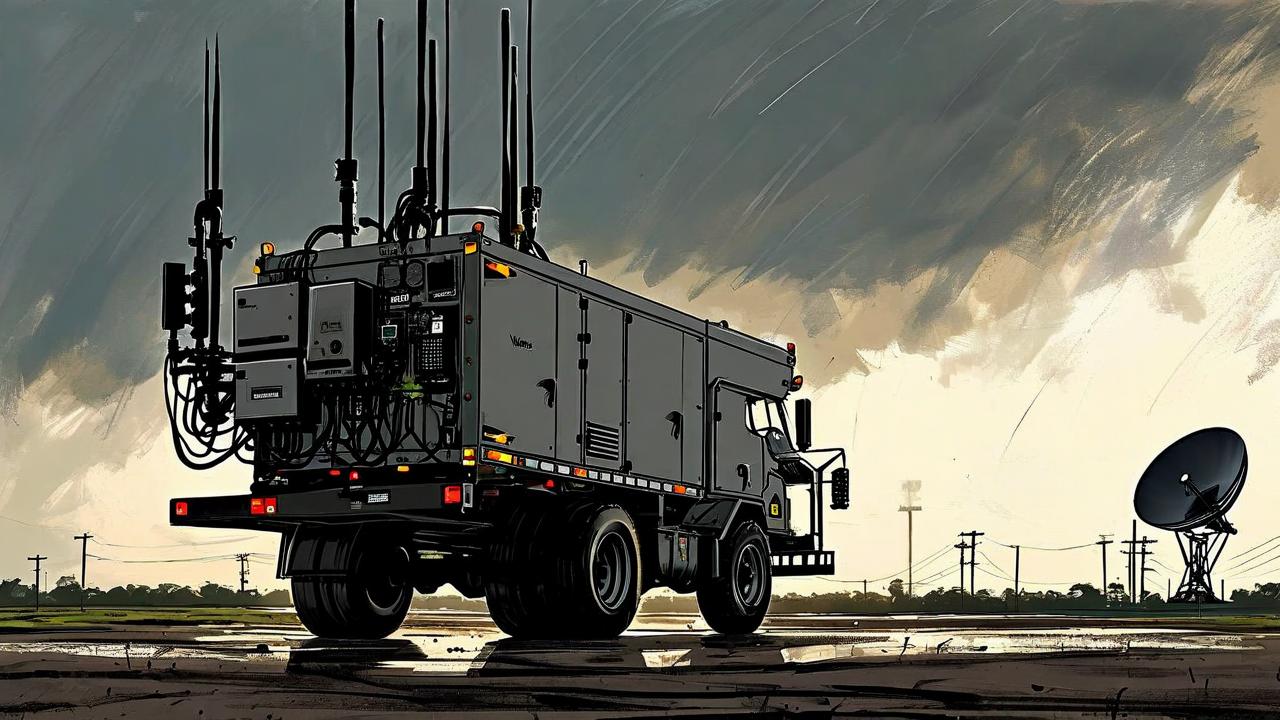

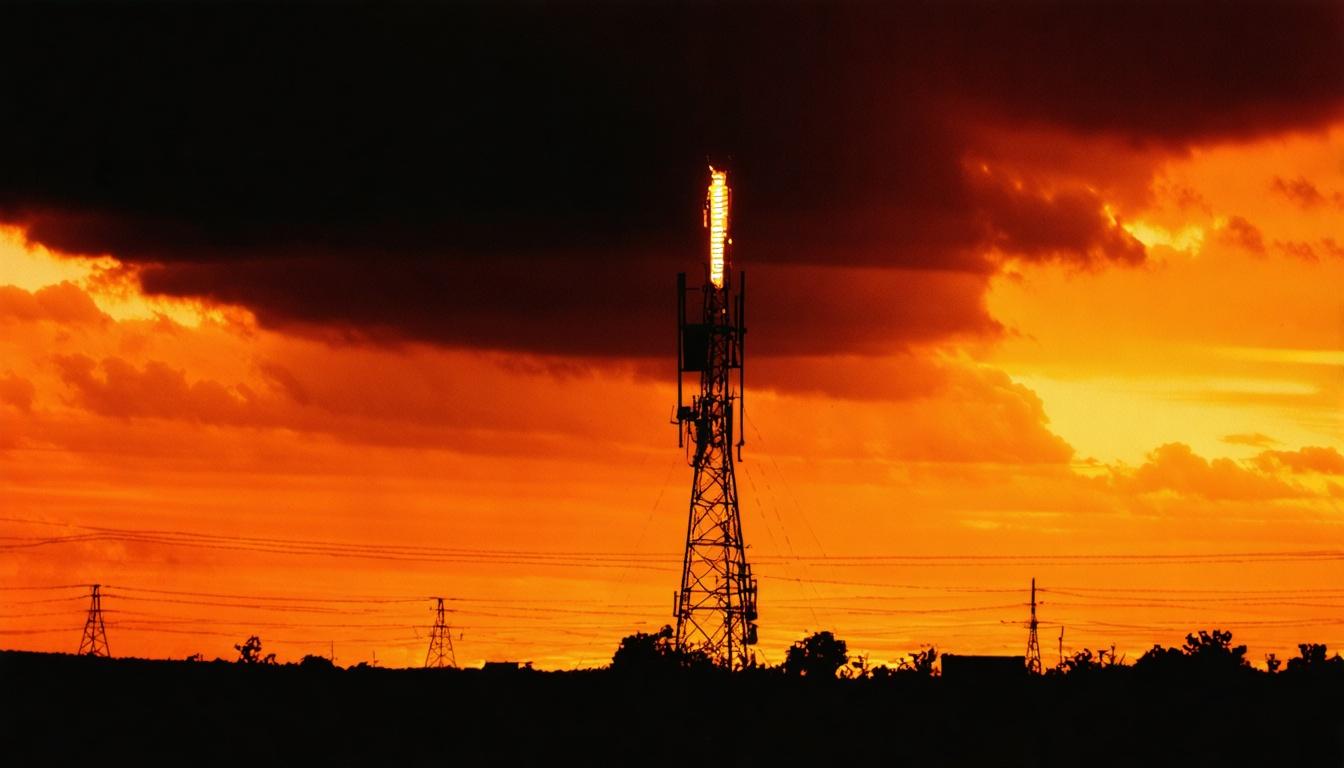
*this image is generated using AI for illustrative purposes only.
Verizon Communications Inc. (NYSE: VZ) has activated emergency protocols across its Gulf Coast infrastructure as Tropical Storm Edouard develops in the region. The operator is deploying backup generators and satellite communications to maintain connectivity in Houston and Louisiana.
Network Readiness and Infrastructure
Verizon’s network infrastructure in the affected areas is engineered to withstand severe weather conditions. A significant portion of sites is backed by fully refueled permanent generators with multiple days of backup power reserves. At locations without permanent generators, the company has staged portable generators and other backup solutions for immediate deployment.
Satellite communications serve as a critical backup if terrestrial services become unavailable. Verizon encourages customers with compatible devices, such as iPhone 14 or newer running iOS 18+ and Google Pixel 9 or newer, to test emergency satellite messaging features before the storm makes landfall.
Frontline Crisis Response
The Verizon Frontline Crisis Response Team is on standby to support public safety agencies. Composed primarily of former first responders and military personnel, the team provides mission-critical communications capabilities at no cost. Team members are currently coordinating with public safety agencies across Southeast Texas and Southwest Louisiana, staging deployable assets where needed.
Community Preparedness
Coinciding with National Preparedness Month, Verizon has outlined digital preparedness steps for customers:
- Charge all mobile devices, tablets, and portable power banks fully before storm watches are issued.
- Protect phones, chargers, and external batteries using waterproof accessories or heavy-duty storage bags.
- Establish a dedicated family emergency communication plan and save key contact numbers directly to devices.
- Take photos of homes, vehicles, and valuables for insurance purposes, ensuring images are uploaded to the cloud.
- Download critical weather tracking, news, and American Red Cross safety apps ahead of time.
Customers can track real-time network status via the Check Network Status tool on Verizon’s website or the My Verizon mobile app.

How might prolonged network disruptions in the Gulf Coast impact Verizon's Q3 revenue and customer churn rates?
Will the increased reliance on satellite communications accelerate regulatory changes regarding emergency service standards for telecom providers?
What are the projected long-term infrastructure investment costs for Verizon to harden its network against increasingly frequent severe weather events?
 17
17






 Create Custom Screeners
  Access 200+ Pre-built Filters
  Use 50+ Readymade Screener





