

Verizon deploys backup power, satellite assets in Hawaii for storm


Verizon Communications Inc. has deployed backup generators and satellite assets in Hawaii to protect its network ahead of Tropical Storm Lala. The company is coordinating with the Hawaii Emergency Management Agency and public safety officials. Verizon also issued detailed digital preparedness guidelines for residents and businesses to maintain connectivity and security.


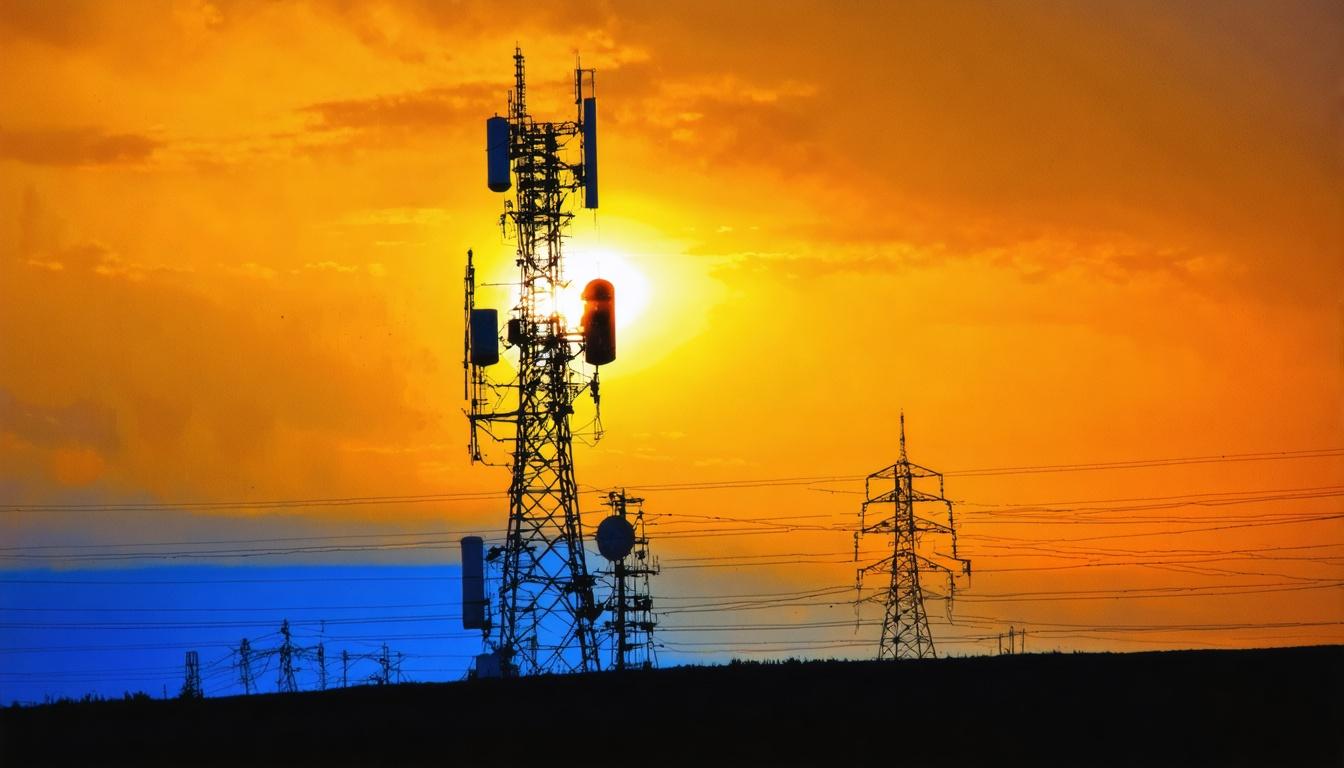
*this image is generated using AI for illustrative purposes only.
Verizon Communications Inc. (NYSE: VZ) has initiated proactive network protection measures across Hawaii as Tropical Storm Lala tracks toward the islands this weekend. The company aims to maintain connectivity for residents, businesses, and public safety partners during the severe weather event.
Network Resilience Strategy
Verizon engineers have fortified a significant portion of the Hawaii network infrastructure against potential power loss or fiber disruptions. Key operational steps include:
- Backup Power: Permanent site generators are fully refueled with multiple days of backup power reserves. Portable generators are staged for deployment at sites lacking permanent units.
- Satellite Assets: Satellite equipment is available for dispatch to reinforce operational resilience if commercial power fails.
- Coordination: Verizon is working directly with the Hawaii Emergency Management Agency (HIEMA), local power providers, and state public safety officials to safeguard critical communications.
Customer Preparedness Guidelines
While engineers support network stability, Verizon advises residents and businesses to finalize digital preparedness plans. Recommended actions include:
- Charge all mobile devices, tablets, and portable power banks before storm warnings are issued.
- Protect gear using waterproof accessories or heavy-duty zip-lock bags against floodwaters.
- Establish a dedicated family emergency communication plan and save key contacts.
- Check on elders to ensure their devices are charged and they have an emergency plan.
- Secure visual backups of homes, vehicles, and valuables by uploading photos to the cloud.
- Download critical weather tracking, news, and American Red Cross safety apps.
- For businesses: List critical software, equipment, and service contracts; review insurance coverage gaps.
- Centralize updated contact info for all staff and keep secure copies of insurance policies.
- Maintain an inventory of corporate hardware deployed to remote employees.
- Secure mobile-ready technology to maintain connectivity if relocation is forced.
- Establish protocols to reroute workloads if remote employees lose power or face evacuation.
Customers can track real-time network status using the Check Network Status tool on Verizon’s website or within the My Verizon mobile app. Further details on emergency response capabilities are available at the Emergency Resource Center.

How might the success or failure of Verizon's network resilience in Hawaii influence regulatory standards for telecom infrastructure during extreme weather events?
What is the estimated financial impact on Verizon's Q4 earnings from deploying portable generators and satellite assets for this specific storm response?
Will Verizon expand its proactive network fortification protocols to other regions prone to tropical storms based on the operational data gathered from this event?
 18
18





 Access 50+ Readymade Screeners
  Use 200+ Custom Filters
  Get Full Market Insights





