SpaceX leases $1.25 billion monthly AI compute to Anthropic

scanx
Reviewed by
Ritika DScanX News Team
Key Highlights
  • SpaceX leases full Colossus data center capacity to Anthropic for $1.25 billion monthly
  • Meta reportedly negotiates preliminary $10 billion compute lease deal with Anthropic over two years
  • Meta plans to deploy 14 gigawatts of computing capacity next year with in-house chips
  • Broadcom CEO cites powered data center availability as key constraint for chip deployment
powered bylight_fuzz_icon
50078230

*this image is generated using AI for illustrative purposes only.

Space Exploration Technologies Corp. (NASDAQ: SPCX) has begun monetizing its AI infrastructure by leasing computing capacity to external customers, securing a deal with Anthropic worth approximately $1.25 billion a month.

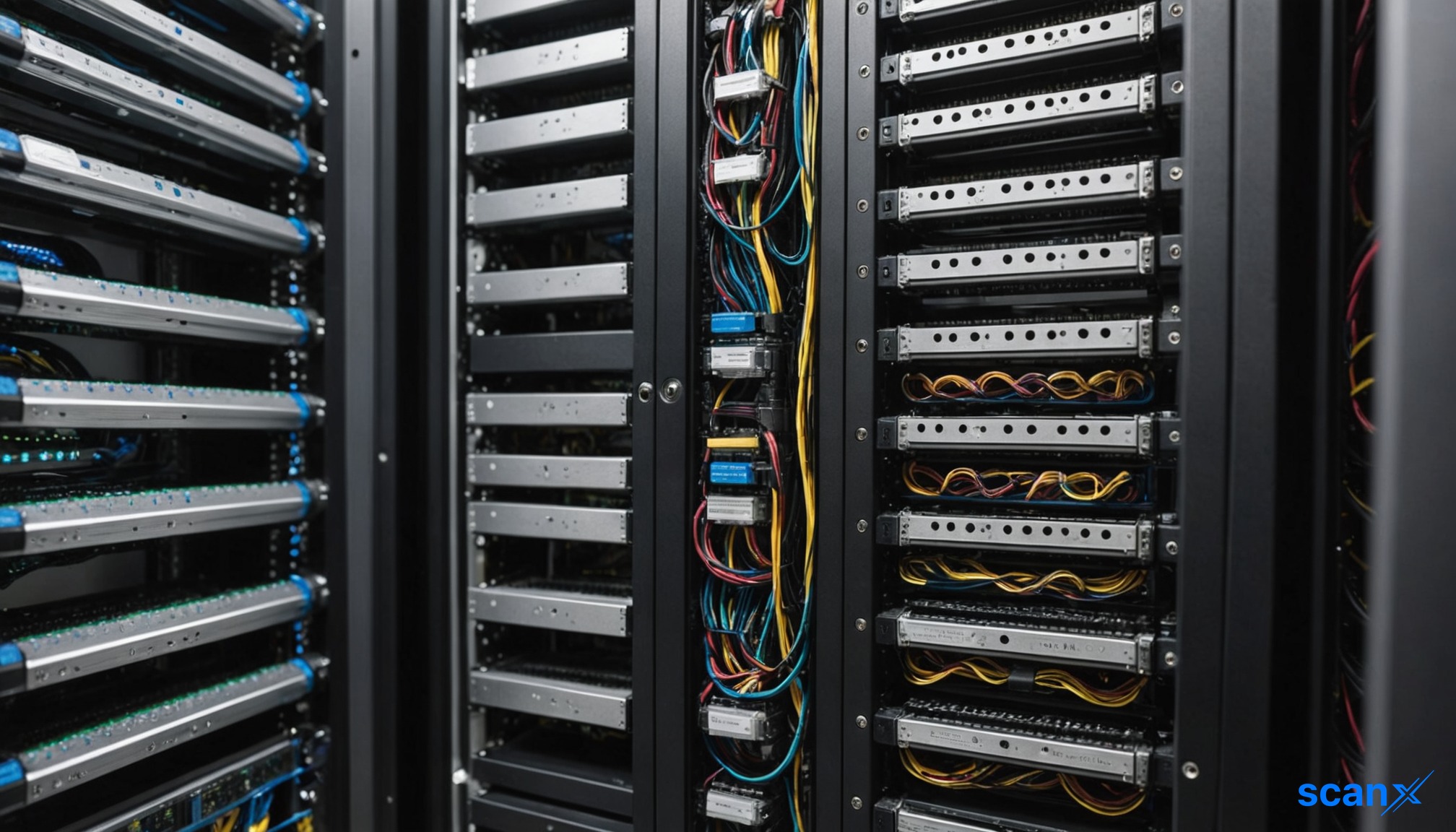
The agreement grants the Claude maker access to the full capacity of SpaceX’s Colossus data center. This move signals a strategic pivot from treating GPUs and data centers solely as internal assets to operating them as a standalone business line.

SpaceX’s Compute Business

SpaceX is effectively entering competition with cloud providers by renting out infrastructure rather than just building models. The company has signed high-profile compute agreements that leverage its existing hardware for revenue generation.

Customer Deal Value Asset Duration
Anthropic $1.25 billion/month Colossus data center Ongoing

This strategy reflects a broader shift in the AI economy where infrastructure ownership becomes a primary value driver. SpaceX is positioning itself not only as an AI developer but also as a provider of the underlying power and compute resources.

Meta’s Next AI Opportunity

Meta Platforms, Inc. (NASDAQ: META) appears to be testing a similar path. In July, the social media giant was in early talks to lease up to $10 billion worth of computing capacity to Anthropic over two years.

While discussions remain preliminary and may not result in an agreement, such a deal would mark a significant step toward commercializing Meta’s AI infrastructure. Meta currently plans to deploy 14 gigawatts of computing capacity next year alongside its in-house AI chips.

What the Numbers Show

The scale of these potential contracts highlights a divergence in AI capital allocation. While traditional cloud providers compete on software services, companies like SpaceX and Meta are leveraging balance sheet strength to build physical infrastructure first. The reported $10 billion potential deal for Meta represents a substantial monetization avenue if executed, suggesting that excess capacity management is becoming a critical component of AI strategy.

Industry Context

Broadcom Inc. (NASDAQ: AVGO) CEO Hock Tan recently acknowledged that the pace at which chips are deployed into powered data centers remains a key consideration for forecasts. This suggests the industry constraint is shifting from demand for AI chips to the availability of powered infrastructure.

Companies that own large-scale data centers, GPUs, and power capacity may occupy one of the most profitable positions in the AI ecosystem. The trend indicates that deep-pocketed firms are building massive infrastructure with the intent to monetize excess capacity later.

Disclaimer: This article is AI-generated using data from ViewTrade. ScanX is not liable for any inaccuracies.

How will SpaceX's entry into the cloud infrastructure market impact the valuation multiples of traditional hyperscalers like AWS and Azure?

What regulatory or antitrust challenges might arise if major AI developers like Anthropic become heavily dependent on a single non-traditional infrastructure provider like SpaceX?

Could Meta's potential $10 billion lease to Anthropic signal a broader industry shift toward bilateral infrastructure deals rather than public cloud services?

like19
dislike

White House warns SpaceX against attending Macron's Paris space summit

scanx
Reviewed by
Shraddha JScanX News Team
Key Highlights
  • White House discouraged SpaceX, Stoke Space, K2 Space, and Astra from attending Paris summit citing lack of coordination
  • No formal boycott ordered, but officials warned participation could signal support for EU policy positions
  • France earmarks €4.2 billion for military space and €16 billion for civil/dual-use space by 2030
  • Arianespace targets up to 10 Ariane 6 launches annually from 2027 as ESA studies higher rates
  • SpaceX completed its 100th Falcon mission of 2026 in August and won $1.6 billion in Space Force contracts
powered bylight_fuzz_icon
49972199

*this image is generated using AI for illustrative purposes only.

The White House privately discouraged Space Exploration Technologies Corp. (NASDAQ: SPCX) and other US space companies from attending President Emmanuel Macron’s upcoming Space Summit in Paris, warning that participation could signal tacit support for European Union policy positions.

White House Raises Concerns Over Paris Summit

According to a Politico report, an official from the White House Office of Science and Technology Policy (OSTP) informed SpaceX, Stoke Space, K2 Space, and Astra during a private call that France had failed to coordinate with Washington. The official cited "anti-competitive practices" and a lack of American perspective in the summit's panel design.

The administration stopped short of issuing a formal boycott order. The OSTP official clarified that companies received no "marching orders" and emphasized that the Trump administration continues to collaborate with allies in space. However, industry representatives described the situation as leaving US companies in an "awkward position" regarding how to gracefully withdraw.

The Sept. 9-10 summit is expected to host nearly 120 foreign delegations, including space agencies, military officials, and industry leaders. Officials from OSTP, NASA, the State Department, and the Commerce Department still plan to attend.

Europe Pushes For Greater Space Independence

The diplomatic friction coincides with accelerated European efforts to reduce reliance on US launch infrastructure. Macron’s national space strategy prioritizes independent European access to space. France has earmarked an additional €4.2 billion for military space spending from 2026 through 2030, alongside more than €16 billion in civil and dual-use space spending by 2030.

Reuters reported that the European Space Agency is studying higher launch rates for Ariane 6 and Vega-C rockets to meet growing satellite demand. Arianespace expects up to 10 Ariane 6 launches annually starting from 2027.

SpaceX Still Leads Global Launch Race

Despite European initiatives, SpaceX maintains a significant lead in global launch cadence. The company completed its 100th Falcon mission of 2026 in August. Additionally, Falcon 9 recently secured $1.6 billion in Space Force launch contracts.

In contrast, Macron celebrated the Ariane 6 rocket after it launched 32 Amazon satellites in February, marking the debut of the more powerful Ariane 64 configuration.

What the Numbers Show

The data reveals a stark divergence between strategic intent and market execution. While France commits €18.2 billion combined (€4.2 billion military + €16 billion civil/dual-use) to build independent capacity by 2030, SpaceX’s operational output remains dominant, evidenced by its 100th Falcon mission in August 2026 alone. This suggests that despite substantial European capital allocation, near-term launch dependency on US infrastructure persists.

Disclaimer: This article is AI-generated using data from ViewTrade. ScanX is not liable for any inaccuracies.

How might the White House's informal discouragement impact SpaceX's ability to secure future European commercial satellite launch contracts?

Will the €18.2 billion European investment accelerate Ariane 6's market share enough to challenge SpaceX's dominance by 2030?

Could this diplomatic friction lead to stricter US export controls on space technology shared with European partners?

like19
dislike

More News on space exploration technologies corp