

SpaceX targets Q4 2027 launch for Nvidia-powered orbital AI system


- SpaceX targets Q4 2027 launch for Nvidia Vera Rubin AI system
- Design described as lower cost, denser, and lighter than racks
- Significant scale planned for 2028 following initial orbital deployment
- Nvidia Q2 2026 revenue expected at $92.03 billion, up ~100% YoY

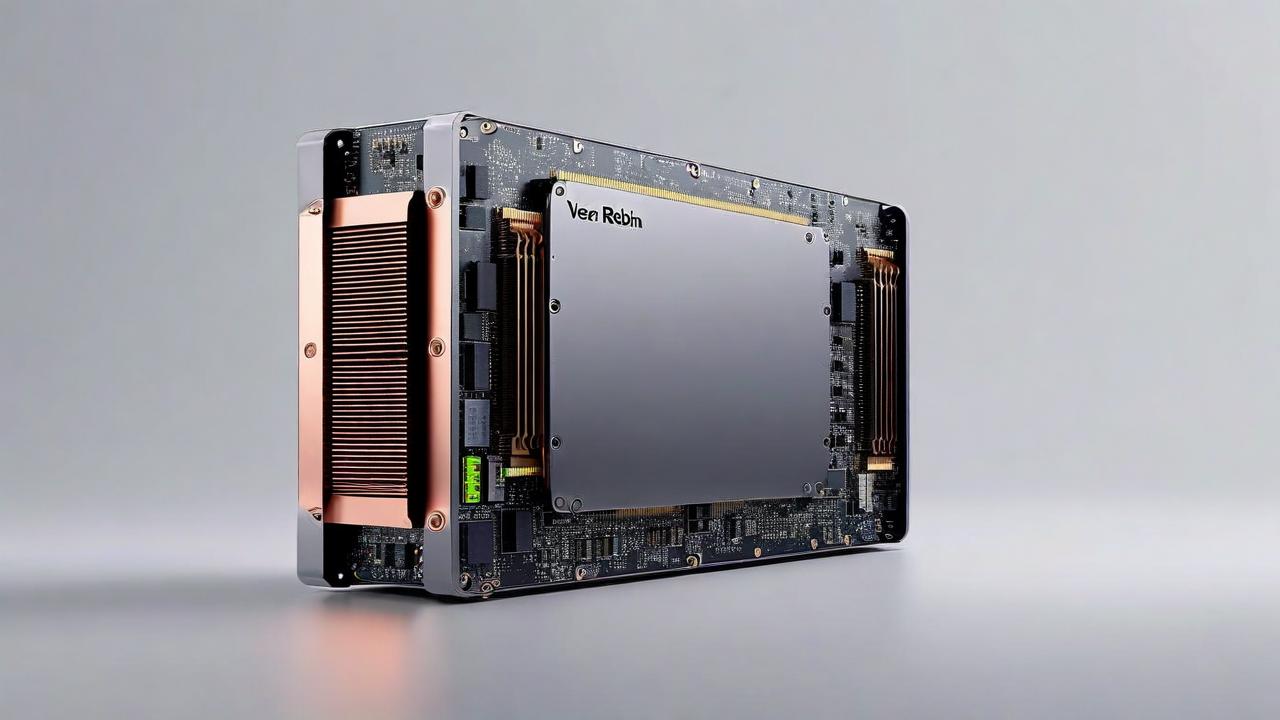

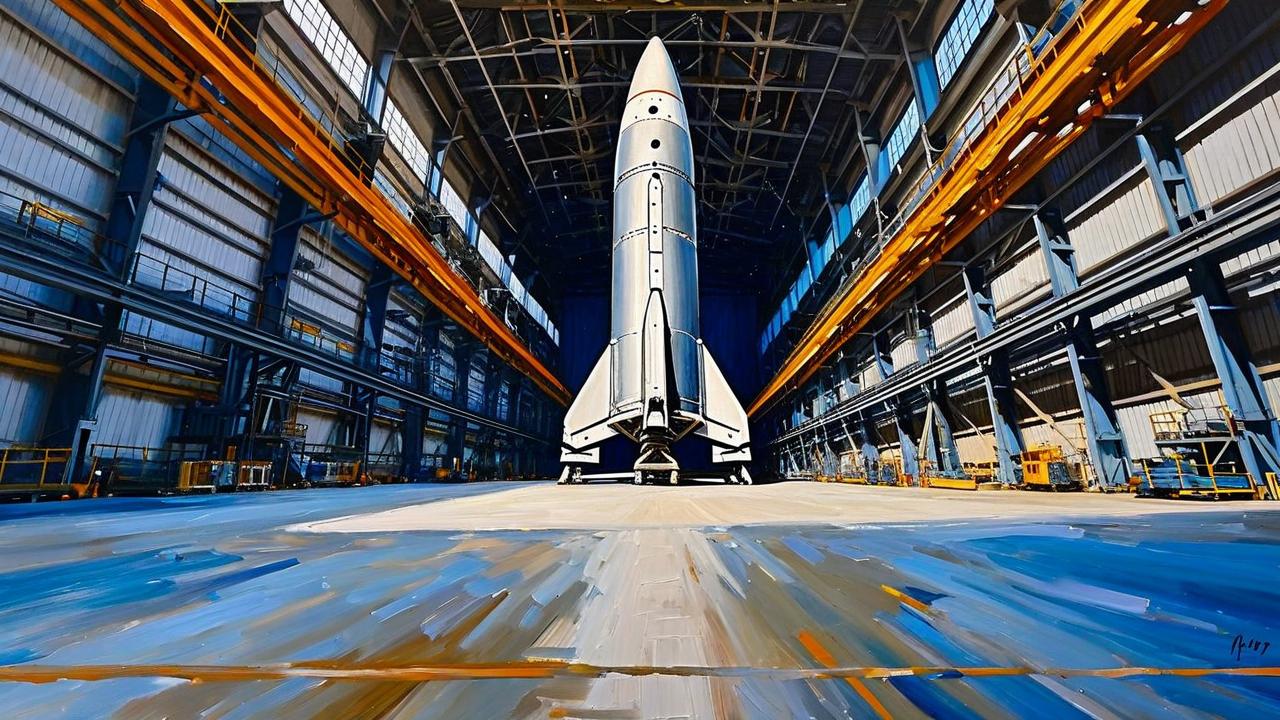
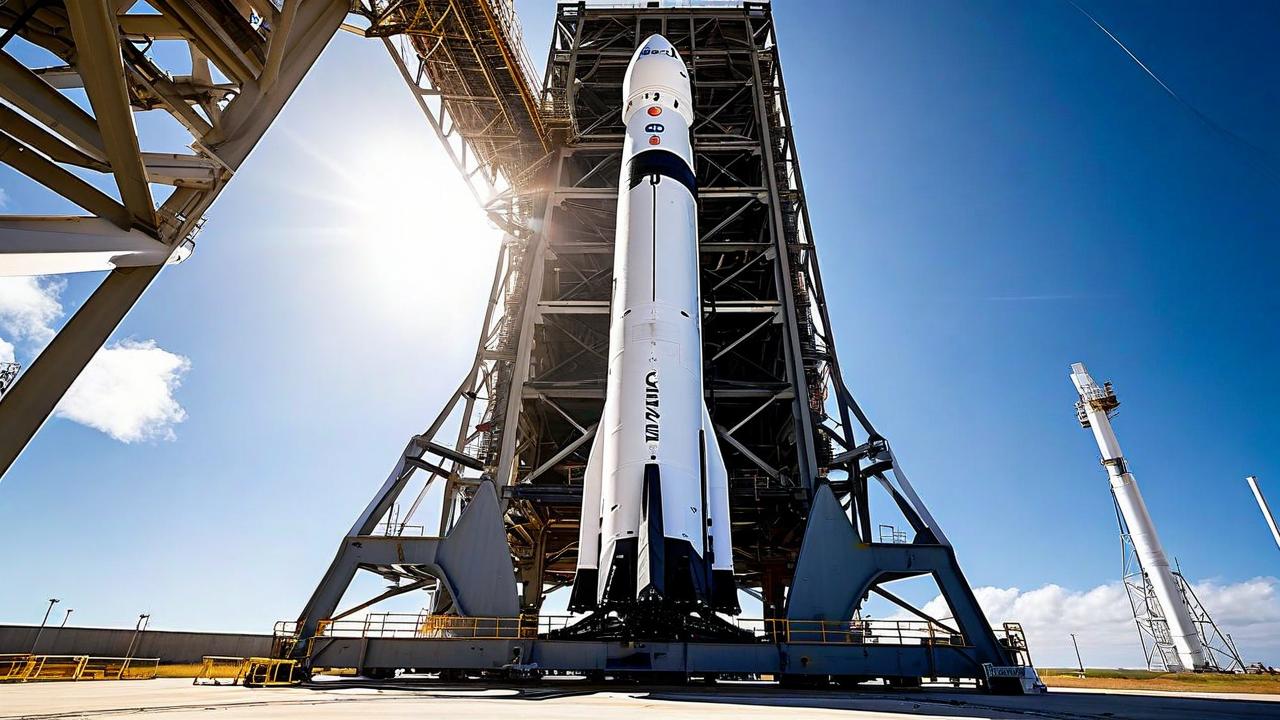
*this image is generated using AI for illustrative purposes only.
SpaceX plans to launch a space-optimized artificial intelligence system powered by Nvidia Corp. (NASDAQ: NVDA) Vera CPUs in the fourth quarter of 2027. The initiative marks a strategic expansion into orbital compute infrastructure.
Elon Musk, CEO of Space Exploration Technologies Corp. (NASDAQ: SPCX), announced the deployment on X on August 24, 2026. He described the design as significantly simpler, lower cost, denser, and lighter than traditional rack systems. The system utilizes the Vera Rubin architecture, which Musk termed the first CPU built for agents at scale.
System Specifications and Timeline
The partnership focuses on deploying the Vera Rubin NVL72 system to orbit. Musk outlined a phased rollout strategy with significant scale anticipated in 2028. The design prioritizes space optimization over standard terrestrial configurations.
| Feature | Detail |
|---|---|
| Chip Architecture | Nvidia Vera Rubin NVL72 |
| Launch Target | Q4 2027 |
| Scale Target | 2028 |
| Key Attributes | Lower cost, denser, lighter |
Broader Strategic Context
The announcement aligns with SpaceX’s broader production goals. Musk previously stated the company targets 10,000 Starship launches annually by the end of the decade. This volume exceeds the US government’s updated space policy target of 1,000 launches by 2030. Additionally, Musk indicated SpaceX could attempt the first-ever mid-air catch of an upper-stage rocket during Starship flight 14 in the coming months.
Market and Financial Implications
Nvidia is scheduled to report second-quarter 2026 earnings on Wednesday. Analysts expect revenue of $92.03 billion, representing nearly 100% growth from $46.14 billion in the same period last year. This surge reflects accelerating hyperscaler spending. Meanwhile, geopolitical tensions persist regarding Starlink usage, with Ukrainian President Volodymyr Zelenskyy urging Musk to allow coverage over Russian territory.
What the Numbers Show
The projected near-doubling of Nvidia’s quarterly revenue underscores the intense capital expenditure driving the AI infrastructure build-out. SpaceX’s entry into this ecosystem via orbital deployment suggests a diversification of compute locations, potentially addressing latency or regulatory constraints associated with terrestrial data centers.

How might the deployment of orbital AI infrastructure impact the competitive landscape for terrestrial hyperscalers like AWS and Azure?
What are the potential regulatory and geopolitical challenges SpaceX faces in operating data centers in orbit, particularly regarding international space law?
Could the success of the Vera Rubin NVL72 system in space accelerate Nvidia's revenue growth beyond current analyst expectations for 2027-2028?
 17
17









 Access Market Heat-map & Insights
  Create, Save & Share your Screener
  Use 200+ Screening Filters





