

Trump targets 1,000 annual space launches by 2030, fivefold jump


- Trump signs policy targeting 1,000 annual space launches by 2030
- Target is fivefold jump from 178 launches recorded in 2025
- Agencies must identify new reentry site within 90 days
- SpaceX aims for 10,000 annual launches within five years

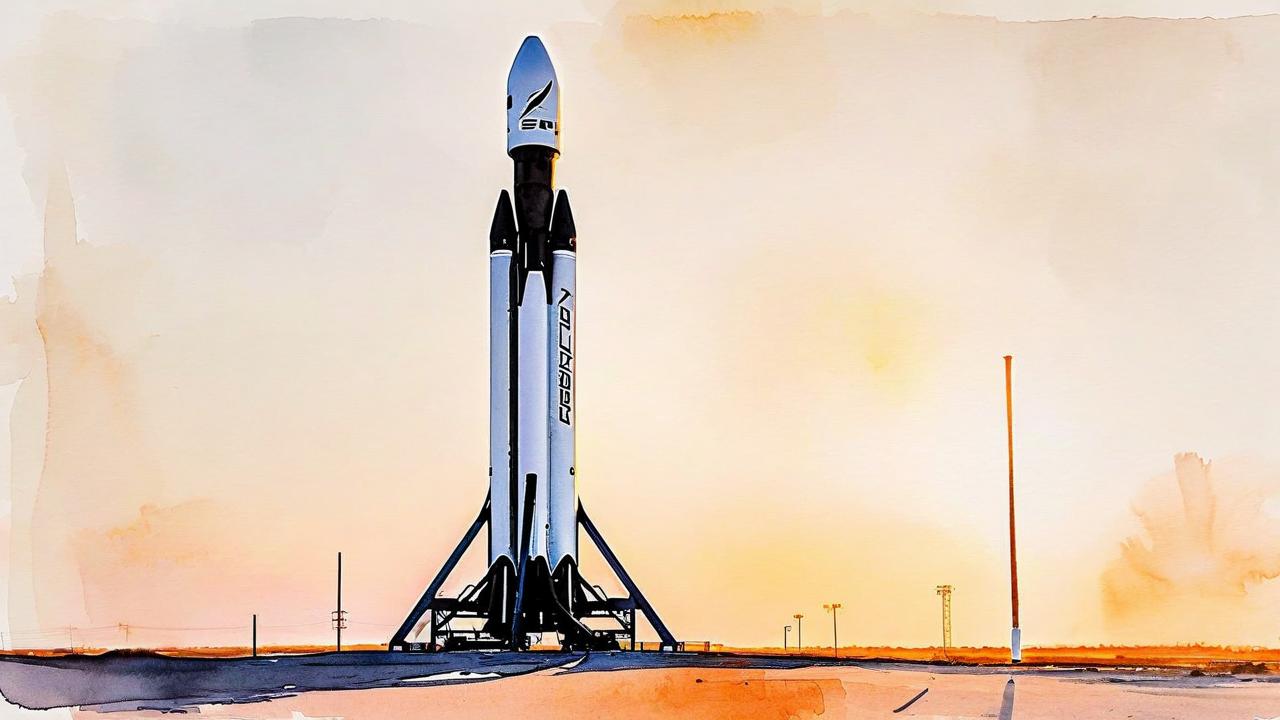

*this image is generated using AI for illustrative purposes only.
President Donald Trump signed a National Space Transportation Policy on Thursday, setting a target of at least 1,000 annual launches and reentries by 2030. This represents roughly a fivefold increase from the 178 launches recorded in 2025.
The directive mandates federal agencies to identify land for an additional reentry site within 90 days. It emphasizes a "commercial-first" approach, calling for expedited permitting, faster environmental reviews, priority airspace corridors, and adequate wireless spectrum for launches.
Infrastructure and Artemis Goals
The policy builds on a December executive order outlining plans to return Americans to the Moon by 2028 through the Artemis Program. NASA is directed to facilitate commercial transportation to the Moon and robotic access to Mars. Officials are also instructed to avoid competing with private launch providers unless national security or public safety demands it.
White House science and technology adviser Michael Kratsios stated the policy addresses "explosive growth" in the sector. He noted that U.S. orbital launches have surged tenfold in 13 years, rising from 19 in 2013 to 178 in 2025. Kratsios highlighted that most existing launch infrastructure dates back to the 1960s.
Industry Activity and Valuation
Goldman Sachs projects the global space economy will reach $1.8 trillion by 2035, citing collapsing launch costs and surging private capital. SpaceX CEO Elon Musk described this estimate as "too conservative," arguing that reusable rockets and satellite networks could push the market higher.
SpaceX, which went public in June at a valuation above $2 trillion, completed 170 launches in 2025 and deployed about 2,500 satellites. The company aims to eventually field a constellation of one million satellites to help power AI data centers from orbit. The Federal Aviation Administration’s chief said in May that SpaceX aims to hit 10,000 annual launches within five years.
Rocket Lab Corp (NASDAQ: RKLB), Lockheed Martin Corp (NYSE: LMT), Boeing Co (NYSE: BA), and 14 other companies have been selected for the Space Force’s $981 million NITE-STAR program. Rocket Lab offers a smaller but growing alternative, building a reputation on frequent, smaller-payload missions. Faster permitting and new government-identified sites would lower some of the barriers that have historically slowed newer entrants.
Market Reaction
Shares of SpaceX closed 4.05% lower on Thursday at $134. The stock lost 0.52% in extended trading. Benzinga edge rankings indicate SpaceX’s stock has a negative price trend across short, medium, and long-term periods.
What the Numbers Show
The divergence between Goldman Sachs’ $1.8 trillion market projection and Elon Musk’s characterization of it as "too conservative" highlights significant variance in industry valuation expectations. While Goldman cites collapsing launch costs as a primary driver, Musk points to specific technological advancements like reusable rockets and orbital AI computing as factors that could push the market size beyond current analyst estimates.

How might the FAA's expedited permitting process impact the competitive landscape between established players like SpaceX and emerging entrants such as Rocket Lab?
What regulatory or infrastructure bottlenecks could prevent the U.S. from achieving the ambitious target of 1,000 annual launches by 2030?
How will the 'commercial-first' directive affect traditional defense contractors like Lockheed Martin and Boeing in securing future government space contracts?
 17
17









 Create Custom Screeners
  Access 200+ Pre-built Filters
  Use 50+ Readymade Screener





