

SpaceX targets Sept 15 for Starship Flight 14 orbital mission


- SpaceX targets September 15 for Starship Flight 14, its first orbital mission
- Mission includes an orbital second stage per FCC filing
- Starlink V3 satellites offer one terabit per second downlink capacity
- Single Starship launch could add 20 times the capacity of a Falcon 9 mission
- Tower catch of upper stage likely pushed beyond Flight 14



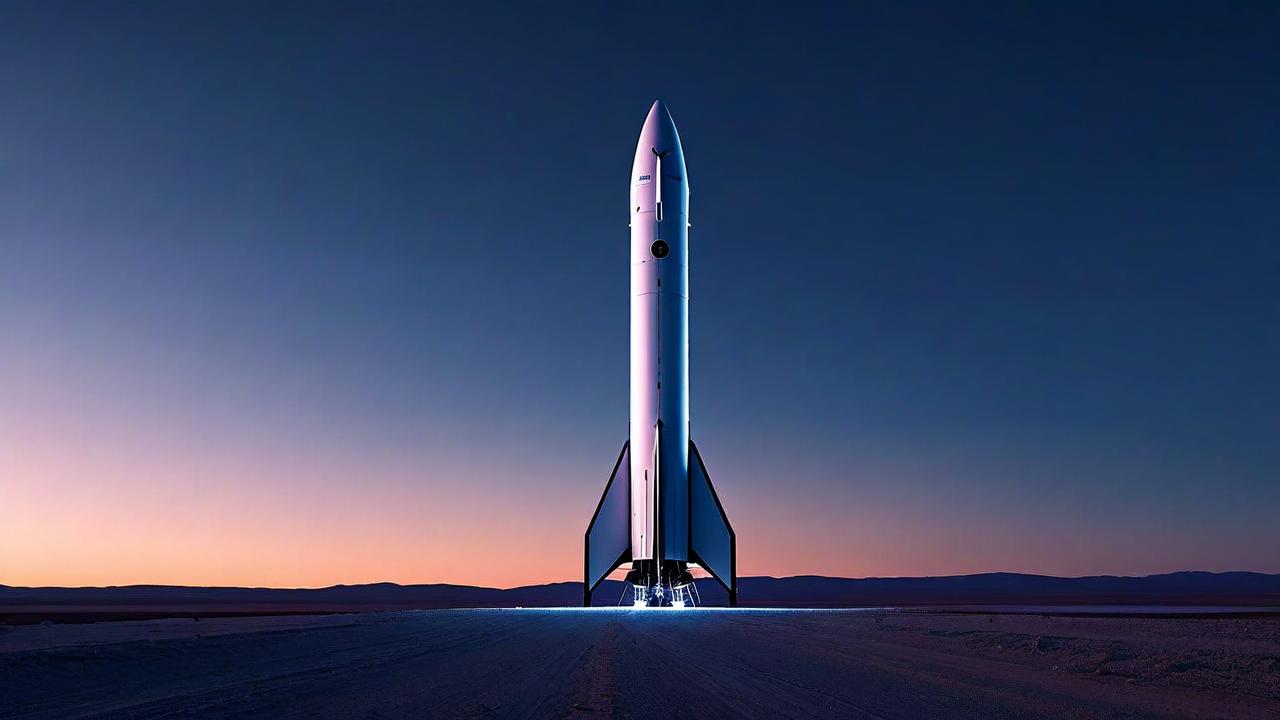
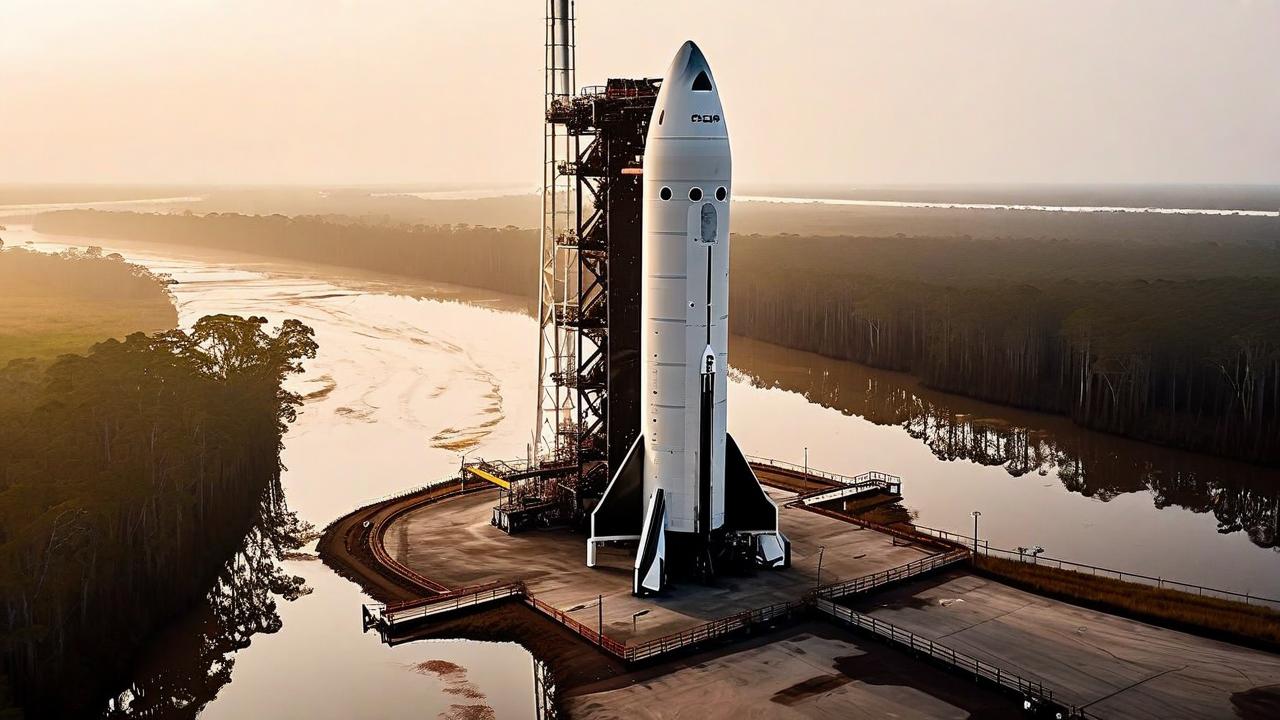
*this image is generated using AI for illustrative purposes only.
Space Exploration Technologies Corp. (NASDAQ: SPCX) is targeting September 15 for Starship Flight 14, a mission that marks the rocket’s first attempt at an orbital trajectory and the start of sustained Starlink V3 deployments.
A Federal Communications Commission filing lists September 15 as the requested start date for communications related to Flight 14. The document specifies that the mission includes an "orbital second stage," distinguishing it from previous suborbital test flights. SpaceX has not formally announced the launch date, so the target remains subject to change.
From Suborbital Tests to Orbital Operations
Flight 14 represents a significant evolution from Starship’s 13th test flight in July. That earlier mission deployed 20 functional Starlink V3 satellites but remained on a suborbital trajectory before the ship completed its reentry and splashed down intact in the Indian Ocean. CEO Elon Musk described that test as "successful."
The upcoming mission aims to transition Starship from a test vehicle to an orbital launcher. This shift is critical for accelerating SpaceX’s Starlink expansion strategy.
| Metric | Starship V3 Capability | Falcon 9 with V2 Satellites |
|---|---|---|
| Downlink Capacity per Satellite | One terabit per second | Not specified |
| Payload Capacity | Up to 60 satellites | Not specified |
| Network Capacity Impact | 20 times greater per launch | Baseline |
Each Starlink V3 satellite is designed for one terabit per second of downlink capacity. A single Starship could eventually carry up to 60 such satellites. SpaceX estimates that one Starship V3 launch could add approximately 20 times the network capacity of a Falcon 9 mission carrying current V2 satellites.
This capacity advantage supports SpaceX’s decision to end planned Falcon 9 Starlink missions from Florida. The company stated that future Florida Starlink flights will use Starship instead.
Reusability Milestones
Flight 14 also occurs as SpaceX advances toward full rocket reusability. In August, Reuters reported that SpaceX considered attempting the first tower catch of Starship’s upper stage on this mission. However, Elon Musk later indicated that the catch would likely happen "in a few months," suggesting the milestone has been pushed beyond Flight 14.
The launch tower has already successfully caught the Super Heavy booster multiple times, demonstrating progress in booster recovery. The upper stage catch remains a key objective for future missions.
What the Numbers Show
The data highlights a massive efficiency gain in satellite deployment. By comparing the payload capacity of up to 60 satellites per Starship launch against the 20 times greater network capacity relative to Falcon 9, the operational leverage of Starship becomes evident. This suggests that once orbital operations stabilize, SpaceX can deploy network infrastructure at a significantly accelerated rate compared to its current Falcon 9-based model.

How will the transition from Falcon 9 to Starship for Florida-based Starlink launches impact SpaceX's overall launch cadence and short-term revenue projections?
What regulatory or technical hurdles might delay the September 15 target date for Starship Flight 14, and how could such delays affect investor sentiment?
How might competitors like Amazon's Project Kuiper or AST SpaceMobile adjust their deployment strategies in response to Starship's 20x network capacity advantage?
 19
19











 Access Market Heat-map & Insights
  Create, Save & Share your Screener
  Use 200+ Screening Filters





