

Nvidia A100 chips retain $5,000 value, complicating Burry's depreciation warning


- Six-year-old Nvidia A100 chips retain a residual value of $4,956, remaining flat near $5,000 since late 2025.
- Michael Burry warns hyperscalers could understate depreciation by $176 billion between 2026 and 2028 by extending asset lives.
- Meta stated extending server useful lives to 5.5 years would cut 2025 depreciation expense by $2.9 billion.
- Kalshi traders assign a 74% probability of A100 rental prices finishing above $1.39 per GPU-hour year-end.
- Nvidia partners with major financial firms to mobilize over $500 billion for AI infrastructure funding.

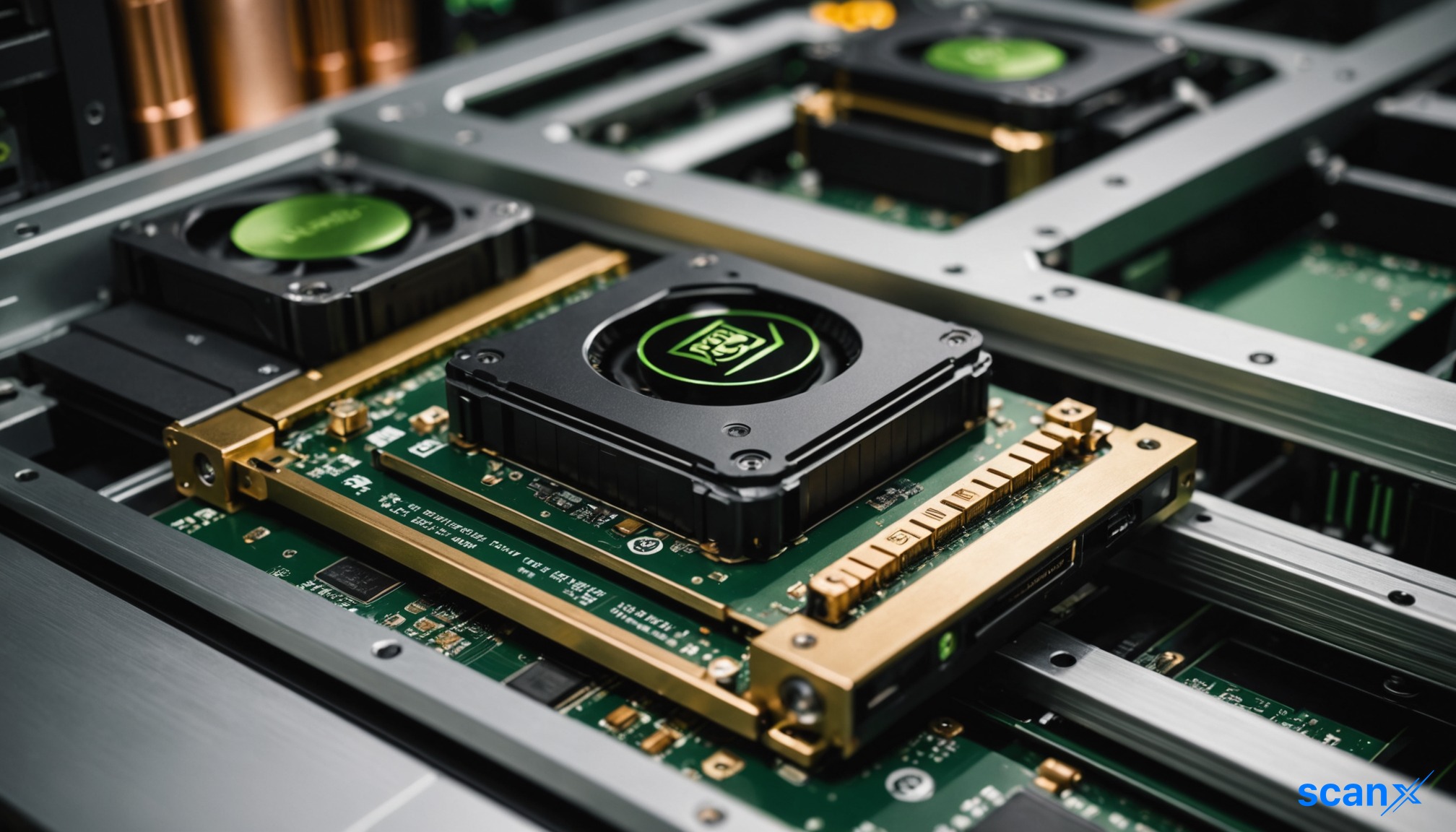

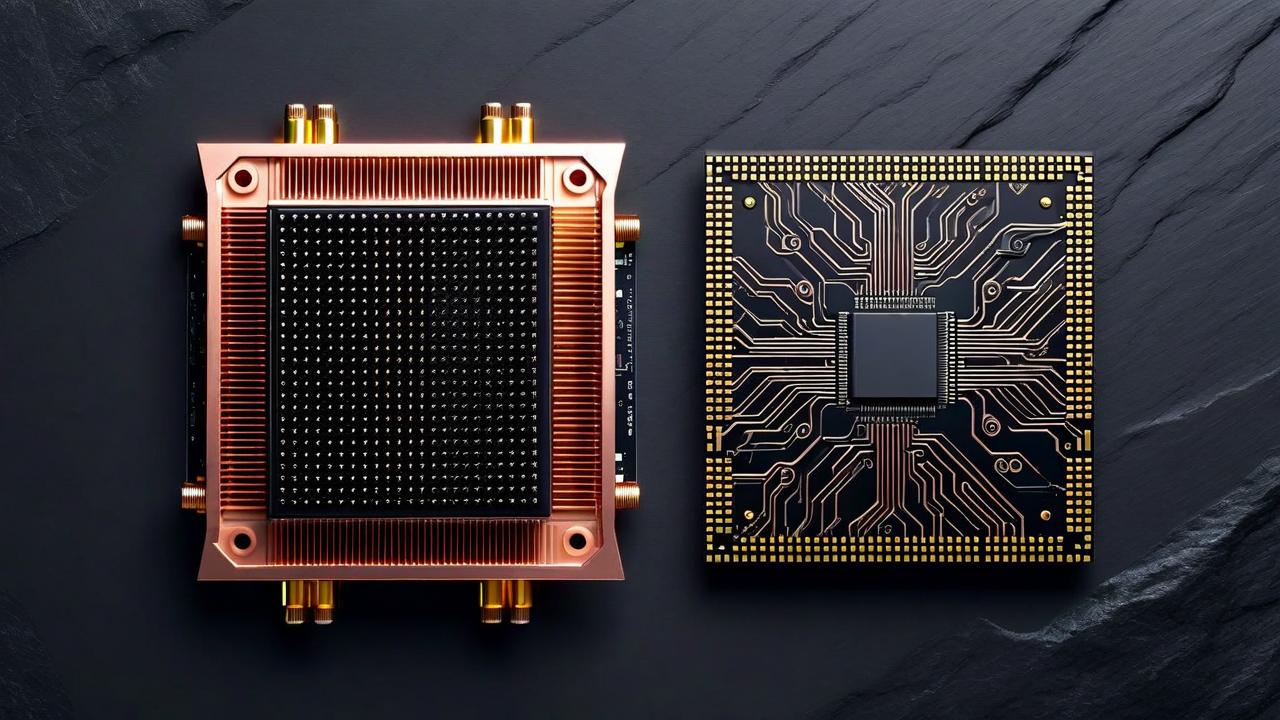
*this image is generated using AI for illustrative purposes only.
Six-year-old Nvidia Corp. (NASDAQ: NVDA) A100 chips retain a residual value of nearly $5,000 each, challenging investor Michael Burry's assertion that Big Tech firms are overstating profits by depreciating AI hardware over extended periods.
Silicon Data estimates the A100's residual value at $4,956, a figure that has remained roughly flat near $5,000 since late 2025. This stability arises because rising rental income offsets the typical decline associated with aging hardware. The estimate reflects the GPU's worth based on future rental income, factoring in utilization and operating costs, rather than second-hand sale prices.
Why Old Nvidia Chips Still Pay
Older Nvidia GPUs do not become obsolete upon the release of newer generations. Chips such as the A100 shift from cutting-edge training to inference, fine-tuning, and lower-cost workloads, extending their economic life. CoreWeave Inc. (NASDAQ: CRWV) signed a customer contract for A100 GPUs extending through 2029, nearly a decade after the architecture debuted.
Burry estimated last year that hyperscalers could understate depreciation by roughly $176 billion between 2026 and 2028 by stretching the useful lives of computing equipment. Longer useful lives reduce annual depreciation expenses. Meta (NASDAQ: META) stated in early 2025 that extending the useful lives of certain servers and network assets to 5.5 years would cut that year's depreciation expense by roughly $2.9 billion.
Burry argued in July that continued demand for older GPUs does not prove depreciation schedules are correct, noting, "A chip can rent and still depreciate very fast economically."
Market Signals and Infrastructure Funding
The economic lifespan of Nvidia's chips is critical as Wall Street mobilizes capital for AI infrastructure. Nvidia partnered with Apollo, BlackRock, Blackstone, Brookfield, Goldman Sachs, and KKR on platforms aimed at mobilizing more than $500 billion for AI infrastructure. CEO Jensen Huang stated lenders would consider utilization, cash flow, and residual value.
Kalshi traders bet on stable A100 rental prices. Kalshi's year-end market gives A100 compute about a 74% chance of finishing above $1.39 per GPU-hour, compared with a current rental price of roughly $1.29 on Silicon Data's A100 index. Kalshi Research noted in July that its A100 forward curve remained broadly flat into 2027, suggesting traders expect rental prices for the six-year-old chip to remain relatively stable. Rental prices for Nvidia's four-year-old H100 chips have also risen sharply recently.
What the Numbers Show
The divergence between Burry's depreciation warning and market data highlights a structural shift in asset valuation. While accounting rules focus on historical cost allocation over time, the secondary rental market values assets based on forward-looking cash flows. The fact that a six-year-old chip retains 99% of its initial implied value ($4,956 vs ~$5,000 baseline) suggests that the "useful life" for depreciation purposes may be decoupling from the "economic life" perceived by infrastructure investors relying on residual value metrics.

How might the decoupling of accounting depreciation schedules from actual economic residual values impact the future earnings reports of hyperscalers like Meta and Microsoft?
Will the $500 billion AI infrastructure mobilization effort led by firms like BlackRock and Apollo face liquidity risks if older GPU rental yields decline faster than projected?
Could sustained high residual values for legacy chips like the A100 reduce the urgency for Big Tech to adopt newer, more expensive architectures like Nvidia's Blackwell series?
 19
19










 Create Custom Screeners
  Access 200+ Pre-built Filters
  Use 50+ Readymade Screener





