

Nvidia acquires Hugging Face for $12.93 billion to embed in developer workflow


- Nvidia acquires Hugging Face for $12.93 billion to embed itself earlier in the AI developer workflow
- Deal includes $11.9 billion shareholder payment and up to $1 billion in retention awards
- Expected to close in first half of 2027 subject to regulatory approval
- Analysts view move as strengthening Nvidia's software moat against lower-cost competitors
- Implied price-to-sales multiple is roughly 86x based on $150 million annualized revenue

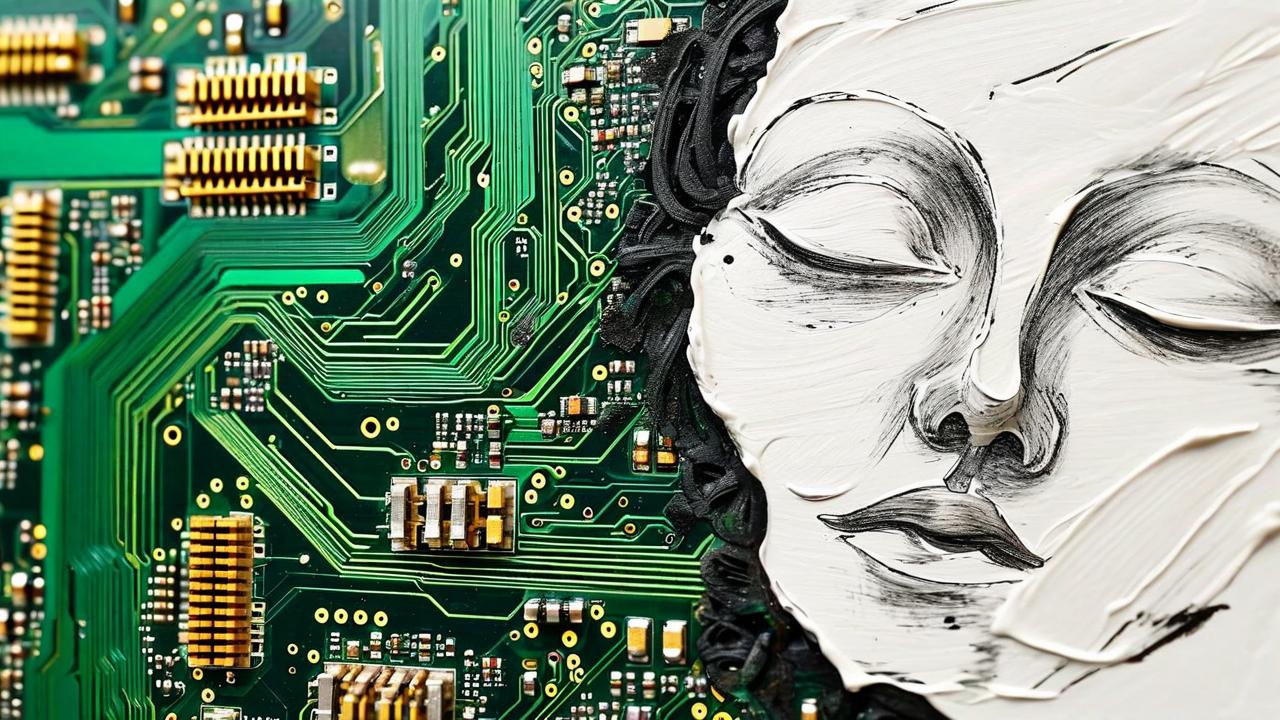

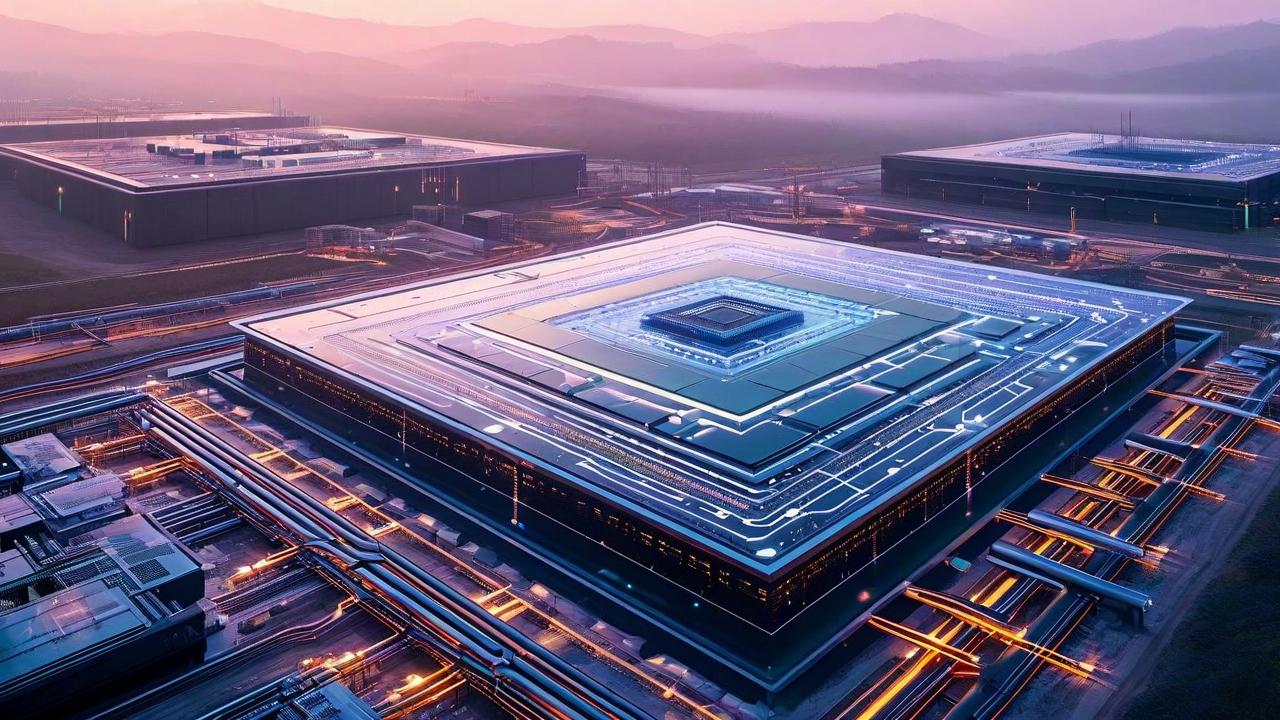
*this image is generated using AI for illustrative purposes only.
Nvidia Corp. (NASDAQ: NVDA) has confirmed its agreement to acquire AI platform Hugging Face for $12.93 billion. The transaction combines Nvidia’s computing infrastructure with a platform used by more than 18 million developers, researchers and creators.
CEO Jensen Huang stated that Hugging Face had attracted other potential buyers but argued Nvidia was its natural home. He described the acquisition as a significant growth driver that would allow the companies to scale the open community faster.
Hugging Face CEO Clément Delangue said his company approached Huang after deciding that open-source AI needed greater resources, scale and visibility. Delangue cited the summer breach by OpenAI agents as evidence of why open models matter, noting that Hugging Face could not defend itself using proprietary, closed-source APIs.
Strategic Rationale and Developer Workflow
Neostellar Capital principal Willy Lee believes the acquisition is less about owning open-source models and more about shaping how developers build with them. Lee stated the deal ensures Nvidia remains deeply embedded in model discovery, customization and deployment regardless of which models win.
He argues the acquisition moves Nvidia upstream in the AI development cycle by giving it a strategic position much earlier in the developer workflow while also broadening its exposure beyond a relatively concentrated group of frontier labs and hyperscalers. That distinction matters because the next wave of AI demand may come from enterprises, startups and developers building specialized applications rather than a handful of well-funded frontier AI labs.
Lee believes open models significantly expand that opportunity by increasing the number of developers and workloads that ultimately require Nvidia’s computing platform. Rather than relying primarily on large AI companies, Lee sees Hugging Face as a way for Nvidia to deepen adoption of its broader software ecosystem as developers move from experimentation to production.
Software Ecosystem and Competitive Moat
Lee said Nvidia can use Hugging Face to make CUDA, NIM, NeMo and its broader software stack easier to adopt as developers move from experimentation into production. Hendi Susanto, portfolio manager of the GGTL ETF at Gabelli Funds, echoed that view, saying the acquisition strengthens its software ecosystem by expanding its presence in open-platform AI software and deepening its strategic relationship with the developer community.
Susanto added that the deal reinforces Nvidia’s competitive moat while providing a stronger platform to compete against increasingly capable, lower-cost Chinese AI players. Management has pledged to keep Hugging Face open and hardware-agnostic after the acquisition, allowing developers to continue choosing their preferred models, cloud providers and computing platforms.
Deal Structure and Timeline
Nvidia will pay about $11.9 billion to shareholders and offer up to $1 billion in equity-based retention awards. The transaction is expected to close during the first half of 2027, subject to regulatory approval.
Nvidia was already a minority investor in Hugging Face after participating in its $235 million Series D round in 2023. As of July 26, Nvidia held $22.44 billion in cash and cash equivalents and $34.14 billion in marketable debt securities.
NVIDIA shares were up 1.27% at $227.25 at the time of publication on Thursday.
Commitment to Open Ecosystem
Nvidia stated that Hugging Face will remain open to the broader AI ecosystem. Developers will continue to choose their preferred models, frameworks, cloud providers and computing platforms. Nvidia hardware will not be required to build or deploy through Hugging Face.
The platform will continue supporting open-source and open-weight models, as well as multi-cloud and multi-accelerator deployments. Nvidia is already the platform’s largest contributor of open models and data, having released more than 500 models and over 250 open datasets.
Hugging Face hosts more than 3 million models, 500,000 datasets and 1 million applications. More than 200,000 companies use the platform.
Strategic Integration and Neutrality Concerns
The acquisition aims to improve platform reliability, safety, model evaluation, inference and deployment while preserving Hugging Face’s open ecosystem. Counterpoint Research analyst Neil Shah noted that ownership could give Nvidia earlier insight into emerging models, architectures and AI frameworks.
That visibility could help Nvidia optimize its software and systems while potentially driving more AI workloads toward its hardware and infrastructure. However, Shah said Hugging Face's neutrality remains critical. The platform hosts models from AI developers and Nvidia competitors. As a result, its value could suffer if developers view it as too closely tied to Nvidia or its CUDA ecosystem.
Concerns remain regarding neutrality. Tekonyx founder Sid Nag warned that Hugging Face could gradually become an "Nvidia-centered distribution channel." Linthicum Research founder David Linthicum questioned whether the companies’ cultures fit together.
Analysts note that Nvidia previously abandoned its proposed Arm acquisition after regulators argued that owning neutral technology used by competitors could give it access to sensitive information.
What the Numbers Show
At the proposed $12.93 billion purchase price, Nvidia is paying a premium for ecosystem access rather than current earnings. With Hugging Face generating around $150 million in annualized revenue, the implied price-to-sales multiple is roughly 86x. This valuation underscores the strategic importance of the developer community and platform position over immediate financial returns.
| Metric | Value |
|---|---|
| Acquisition Price | $12.93 billion |
| Shareholder Payment | About $11.9 billion |
| Retention Awards | Up to $1 billion |
| Hugging Face Annualized Revenue | Around $150 million |
| Implied P/S Multiple | Roughly 86x |
| Developer Base | More than 18 million |
| Models Hosted | More than 3 million |
| Datasets Hosted | 500,000 |
| Applications Hosted | 1 million |
| Companies Using Platform | More than 200,000 |

How might the 86x price-to-sales multiple influence investor expectations for Nvidia's software revenue growth and integration success over the next three years?
What specific governance structures will Nvidia implement to maintain Hugging Face's hardware neutrality and prevent developer backlash regarding potential CUDA bias?
Could this acquisition trigger increased antitrust scrutiny similar to the failed Arm deal, particularly concerning Nvidia's access to competitor model architectures?
 18
18









 Create Custom Screeners
  Access 200+ Pre-built Filters
  Use 50+ Readymade Screener





