

Nvidia AI Demand, Jackson Hole Rate Risks Shape ETF Strategies


- Nvidia A100 rental prices rose 15% in three months and 20% year-to-date
- Fed officials cite persistent inflation and deficits as key policy drivers
- Analysts recommend floating-rate and short-duration ETFs for rate risk
- Semiconductor ETFs SOXX and SMH remain key plays for AI infrastructure
- Nvidia aims to mobilize $500 billion in third-party capital for AI



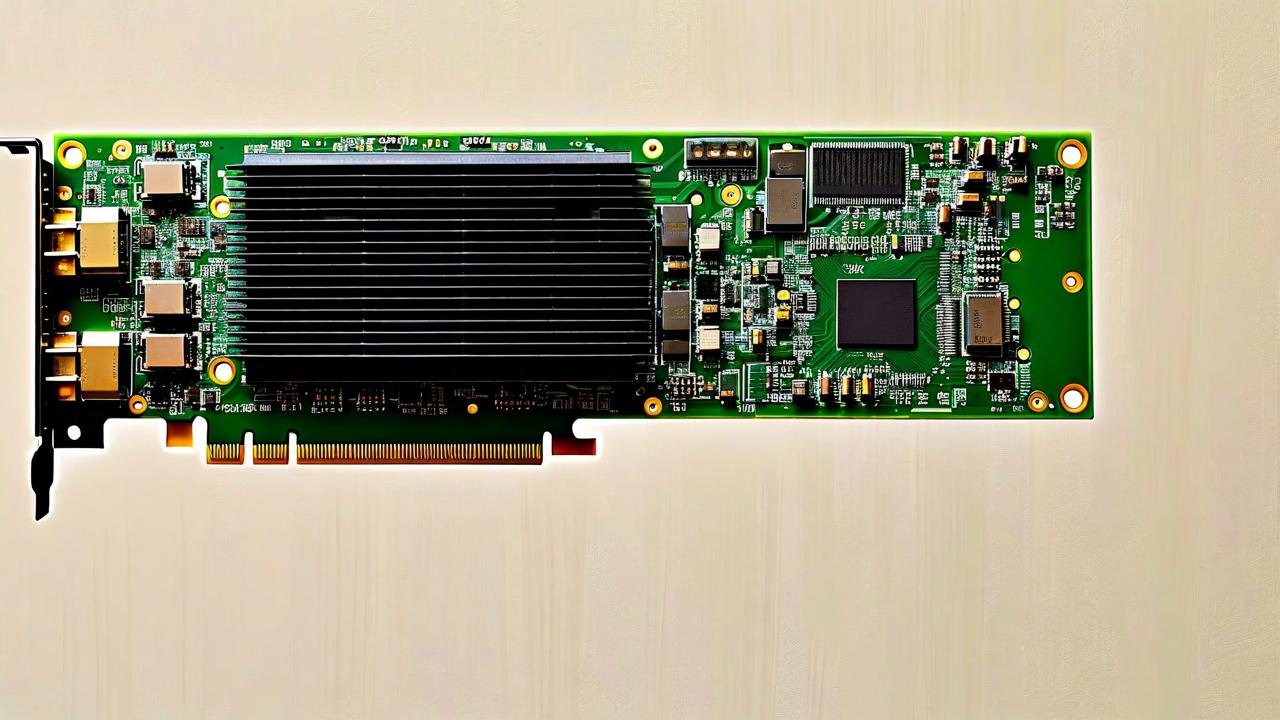
*this image is generated using AI for illustrative purposes only.
Nvidia Corp’s upcoming earnings and the Federal Reserve’s Jackson Hole meeting are defining a dual-theme week for ETF investors, balancing artificial intelligence growth against higher-for-longer interest rates.
Nvidia Keeps AI ETFs in the Spotlight
Nvidia’s results serve as a test for the sustainability of the AI spending boom. John Belton, portfolio manager at Gabelli Funds, expects Nvidia to beat guidance, citing an "extremely tight" supply/demand environment for AI computing infrastructure.
Belton highlighted rising costs for cloud-based computing, noting that Nvidia A100 rental prices at major public clouds have risen about 15% over the past three months and 20% since the start of the year.
This backdrop supports semiconductor ETFs. The iShares Semiconductor ETF (NASDAQ: SOXX) offers diversified exposure to the chip cycle, while the VanEck Semiconductor ETF (NASDAQ: SMH) provides a concentrated basket of leaders.
Nancy Tengler, CEO and CIO at Laffer Tengler, described Nvidia as a long-term holding with "insatiable" demand. She pointed to the company’s efforts to mobilize $500 billion in third-party capital for AI infrastructure, suggesting benefits extend beyond chips to "pick and shovel" beneficiaries like Amazon and Eaton.
Jackson Hole Raises the Rate-Risk Question
Larry Holzenthaler, senior portfolio manager at Catalyst Funds, called this year’s Jackson Hole gathering "one of the more meaningful" in recent times due to persistent inflation, large deficits, and Fed policy uncertainty.
Holzenthaler noted that inflation remains above the Fed’s target and deficits are a renewed focus. He highlighted market anxiety over Fed Chair Warsh’s comments describing Jackson Hole as a "blank piece of paper" and recent high dissent rates at the Fed.
His advice for bond investors is to position for rates "higher than most people have been used to post the GFC." This creates an advantage for floating-rate and short-duration ETFs over long-duration Treasury funds.
ETFs Positioned for Higher-For-Longer Rate Regime
Holzenthaler suggested "staying shorter on the curve" using floating-rate assets and credit to sidestep volatility in longer-duration bonds.
| ETF Name | Ticker | Focus |
|---|---|---|
| SPDR Blackstone Senior Loan ETF | SRLN | Floating-rate/credit; low duration |
| Invesco Senior Loan ETF | BKLN | Large, liquid floating-rate loans |
| iShares Floating Rate Bond ETF | FLOT | Floating-rate corporate bonds |
| iShares 1-5 Year IG Corporate Bond ETF | IGSB | Short-duration corporate credit |
| Vanguard Short-Term Corporate Bond ETF | VCSH | Short-duration investment-grade |
What the Numbers Show
The divergence between rising AI infrastructure costs and fixed income strategies highlights a bifurcated market approach. While A100 rental prices rose 20% year-to-date, signaling strong operational demand in tech, bond managers are explicitly avoiding long-duration assets to mitigate rate risk. This suggests investors are segmenting portfolios: aggressive growth via semiconductors versus defensive income via short-duration credit.

How might a dovish or hawkish surprise from the Jackson Hole meeting impact the valuation multiples of high-growth AI semiconductor ETFs like SMH and SOXX?
If Nvidia's earnings confirm sustained demand but signal margin compression due to rising infrastructure costs, which 'pick and shovel' beneficiaries are best positioned to capture value?
Could the shift toward short-duration and floating-rate ETFs accelerate if Federal Reserve dissent rates continue to rise, potentially causing a liquidity crunch in long-duration Treasury markets?
 18
18











 Create Custom Screeners
  Access 200+ Pre-built Filters
  Use 50+ Readymade Screener





