SpaceX shares rise 5.4% to $147.55, face resistance at $150

scanx
Reviewed by
Ritika DScanX News Team
Key Highlights

SpaceX shares climbed 5.39% to $147.55 on Monday, rising over 40% from an August 6 low. The stock faces resistance near $150, a level that previously acted as support in June and July. Selling pressure at this threshold arises from traders seeking breakeven exits after the support broke, highlighting the influence of trading psychology on near-term price action.

powered bylight_fuzz_icon
48531415

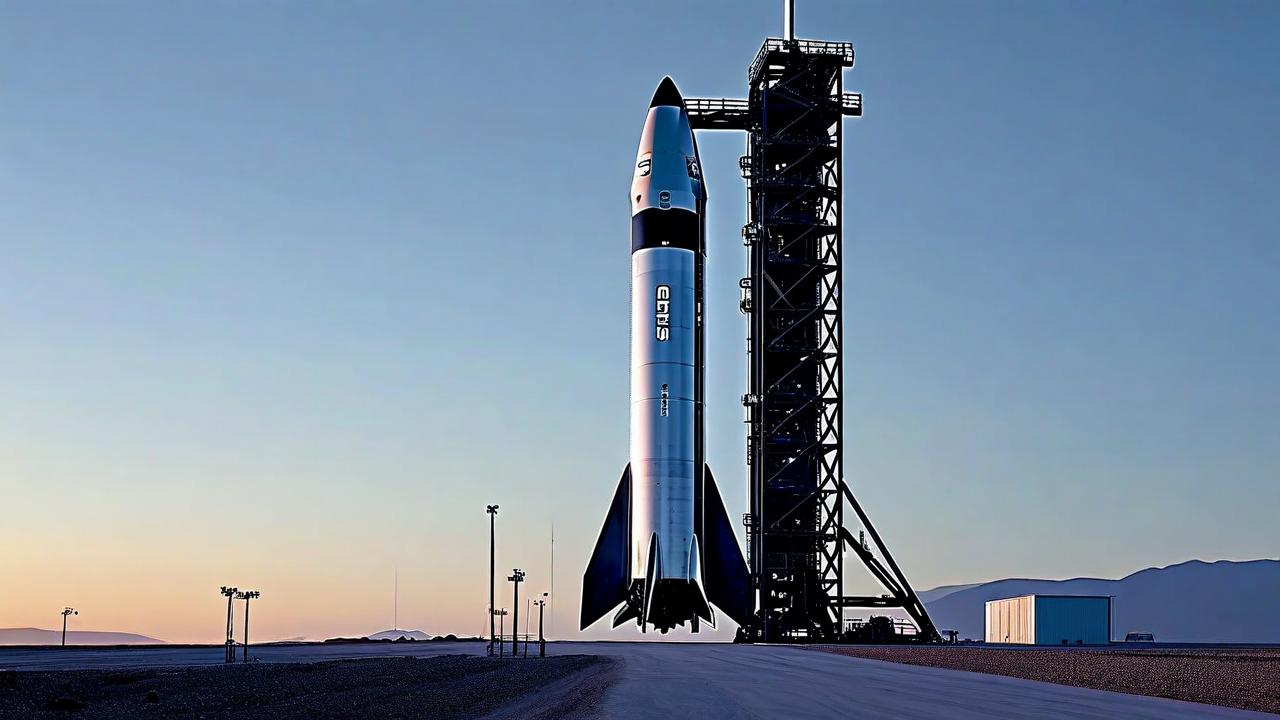
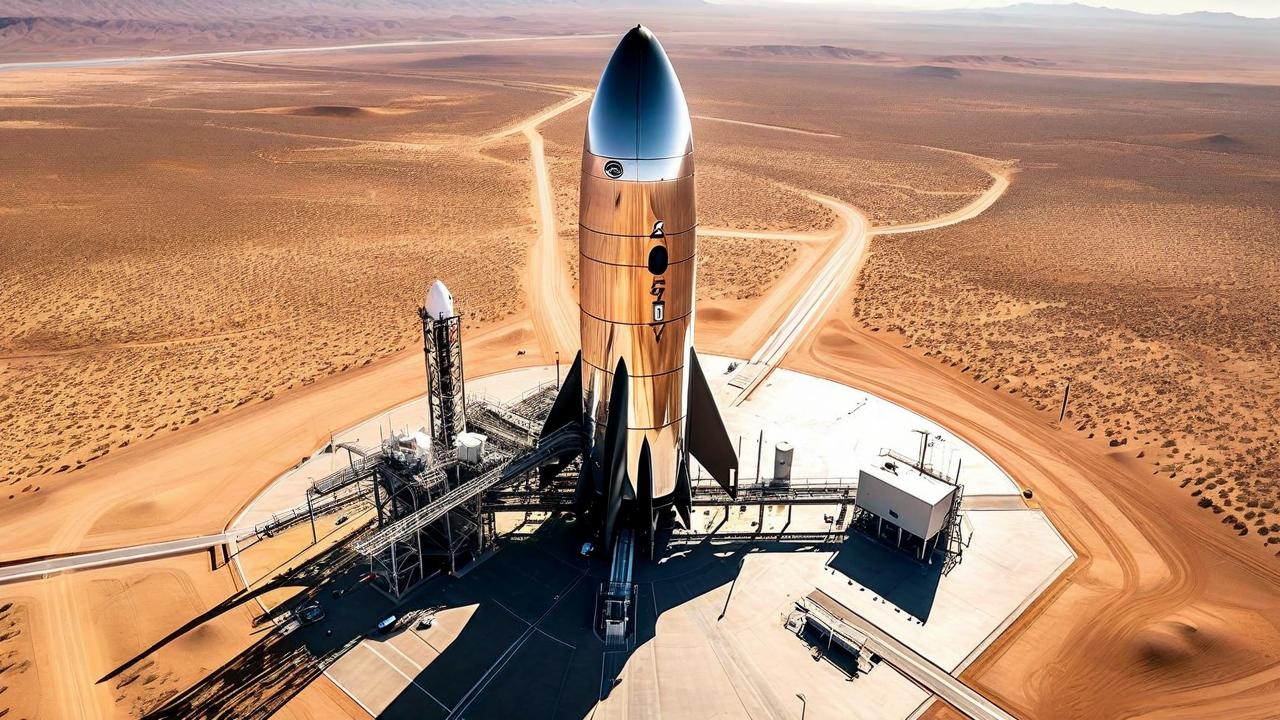
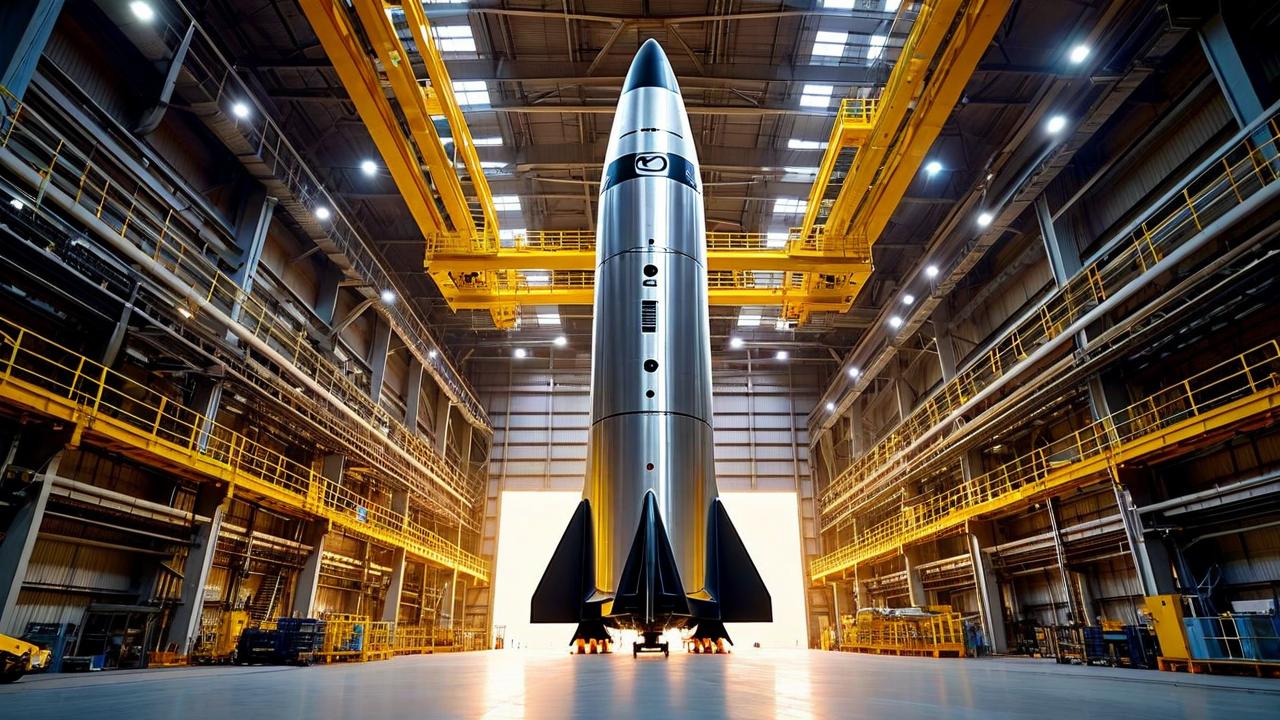
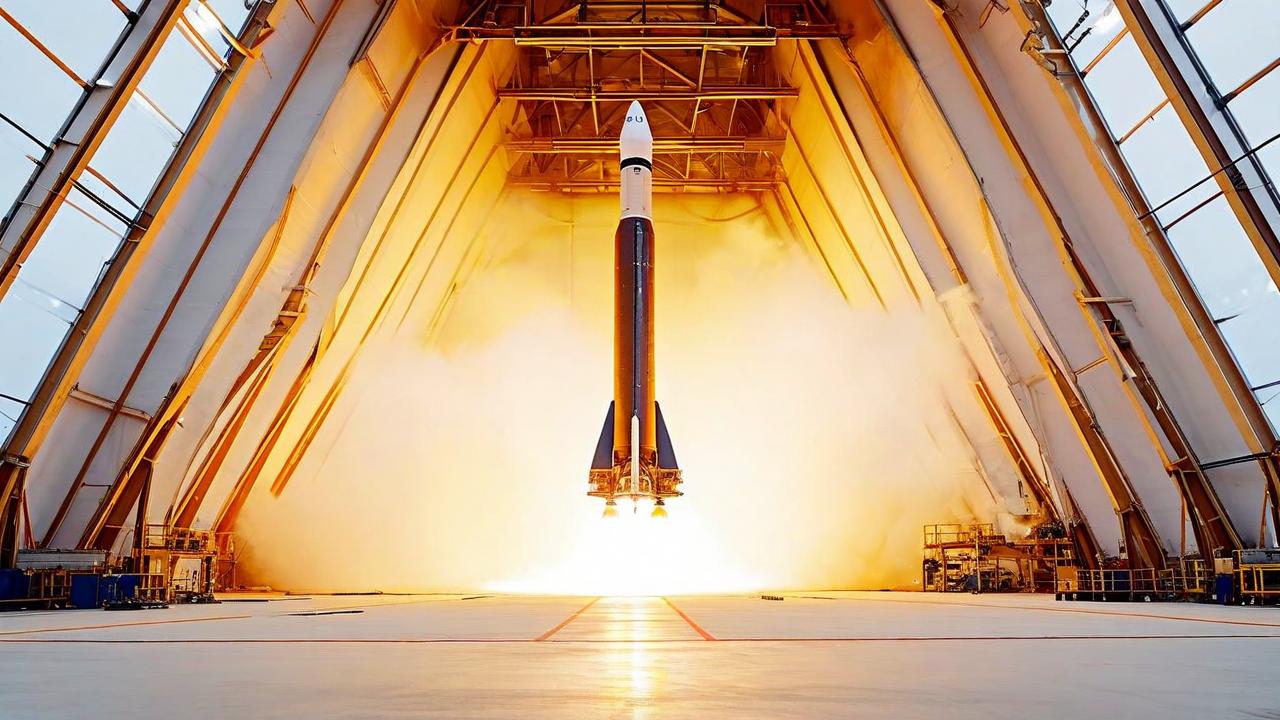
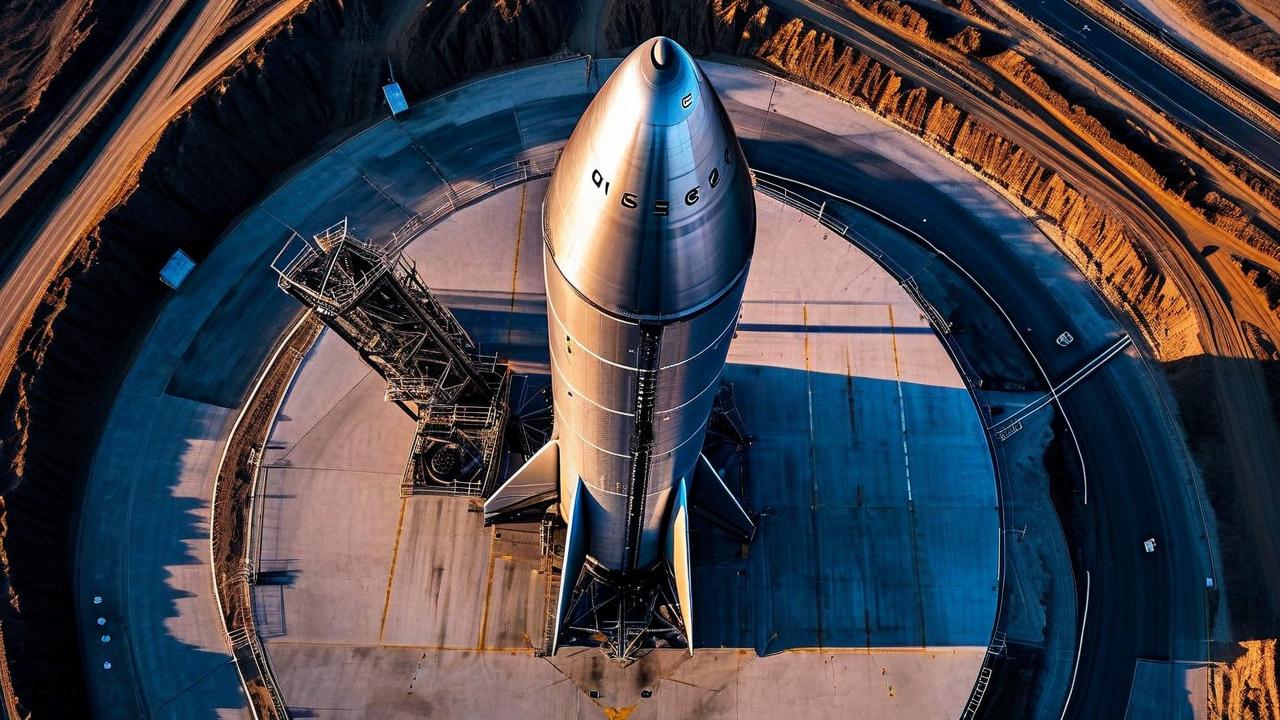
*this image is generated using AI for illustrative purposes only.

Space Exploration Technologies Corp. (NASDAQ: SPCX) shares advanced 5.39% to close at $147.55 on Monday, continuing a strong upward trajectory that has seen the stock gain more than 40% since hitting a low on August 6. Despite the momentum, the shares are nearing a critical technical resistance level around $150, which may trigger consolidation or reversal as traders react to historical price action.

The resistance at $150 stems from previous market structure. This level served as support in June and early July before breaking downward. Trading psychology suggests that investors who purchased shares near this price point during the support phase now view their entry as a mistake following the subsequent drop. Consequently, these holders are placing sell orders near $150 to exit positions at breakeven, creating a wall of supply that impedes further upside.

What the Numbers Show

The divergence between the stock's fundamental narrative and its technical behavior highlights the role of sentiment in short-term pricing. While SpaceX is widely regarded as revolutionary in the aerospace sector, the current price action is driven by trader psychology rather than fundamental metrics such as P/E ratios or corporate news. The proximity to the $150 resistance level indicates that immediate price movement will depend on whether buying pressure can overcome the sell orders from remorseful buyers seeking to break even.

Metric Value
Current Price $147.55
Daily Change +5.39%
Low Date August 6
Gain Since Low >40%
Resistance Level ~$150

Market participants are closely monitoring this level, as stocks often sell off after reaching established resistance. Sellers who created the resistance may become impatient, potentially lowering their offer prices to attract buyers willing to purchase at the lowest available price. This dynamic underscores that while the long-term outlook for SpaceX and AI-related stocks remains promising, short-term volatility is dictated by the emotions and decisions of active traders rather than future prospects alone.

What specific volume indicators or breakout patterns would confirm that SpaceX shares have successfully overcome the $150 resistance level rather than facing a reversal?

How might upcoming SpaceX launch schedules or Starlink revenue reports influence trader sentiment and help break through the current technical ceiling?

If the $150 resistance holds, what is the next likely support level where buyers might step in, and how deep could a potential correction extend?

like15
dislike

SpaceX launches two rockets 38 minutes apart, setting new record

scanx
Reviewed by
Naman SScanX News Team
Key Highlights

SpaceX achieved a new record by launching two Falcon 9 rockets 38.5 minutes apart, significantly reducing its previous best of 65 minutes. The missions, carrying payloads for Globalstar and the US Space Force, both resulted in successful booster recoveries, bringing the total count to 650. Prediction markets assign a 78% probability to SpaceX exceeding 150 launches in 2026.

powered bylight_fuzz_icon
48527319

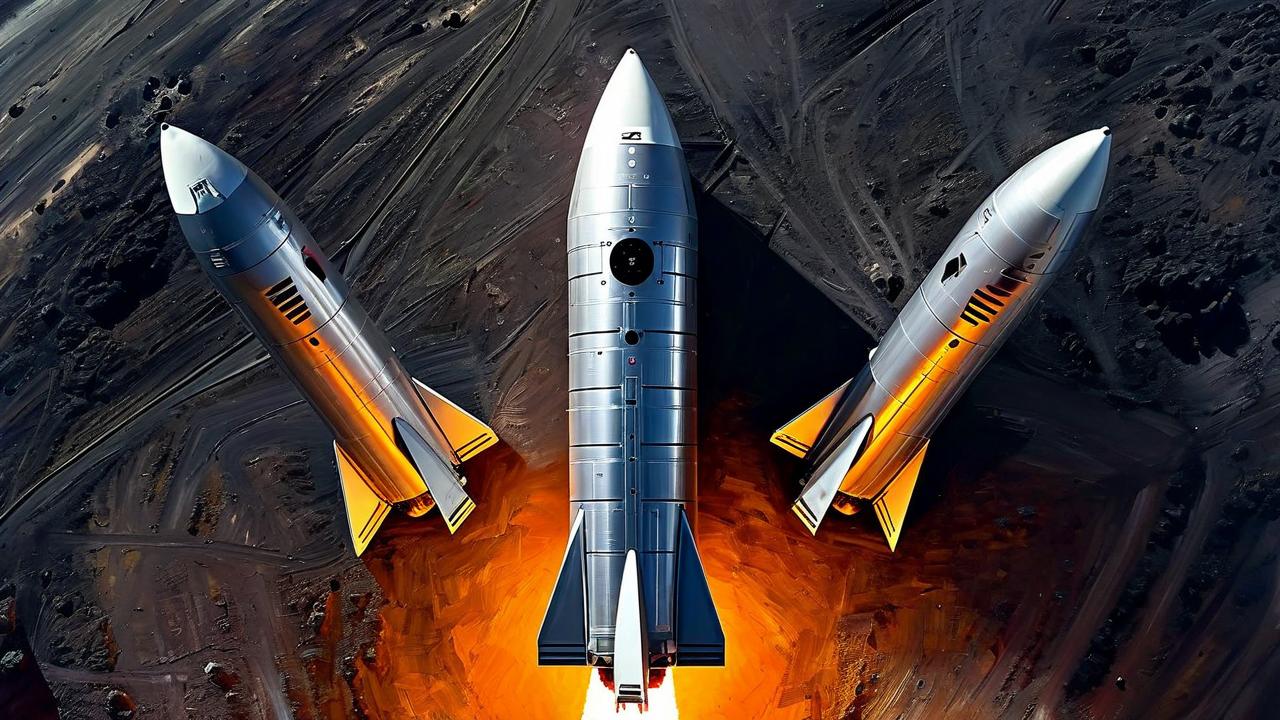
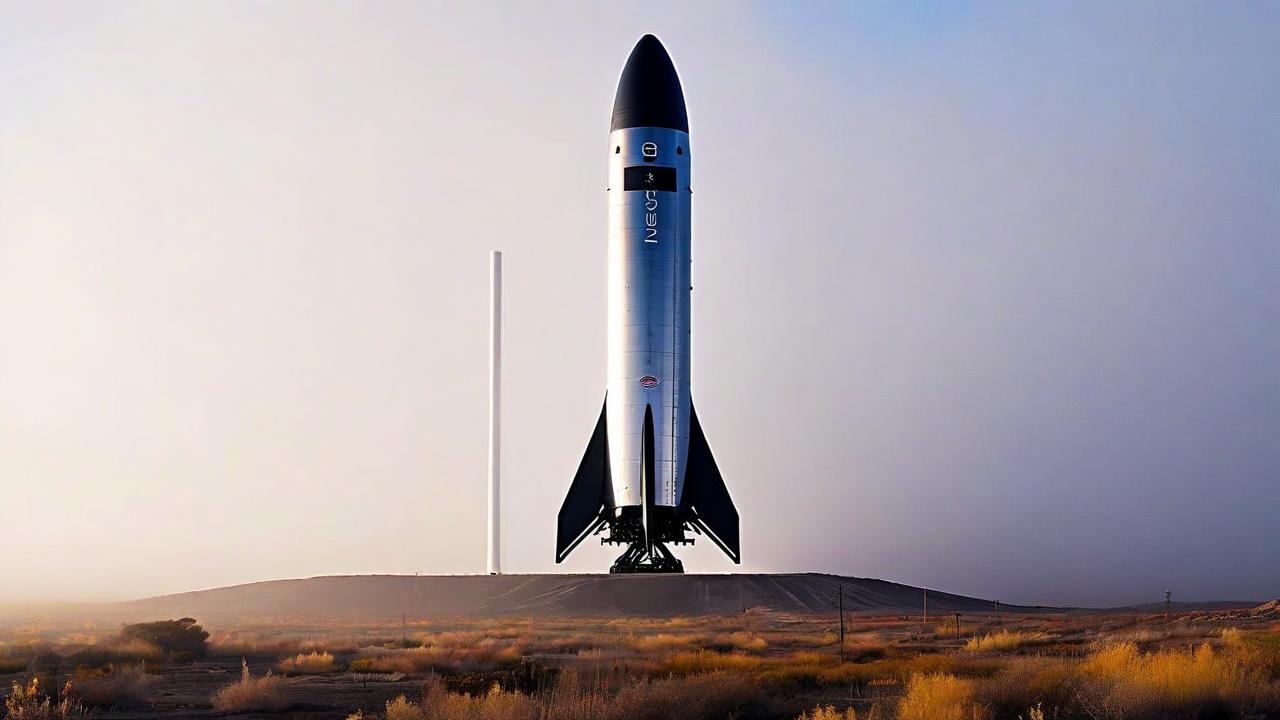
*this image is generated using AI for illustrative purposes only.

SpaceX (NASDAQ: SPCX) set a new record for operational tempo by launching two Falcon 9 rockets just 38.5 minutes apart on Saturday night. The doubleheader cut roughly 27 minutes off the company's previous record of 65 minutes, which was established in August 2024.

The first Falcon 9 lifted off from Cape Canaveral Space Force Station in Florida at 9:12 pm EDT, carrying eight satellites for telecom company Globalstar Inc. (NASDAQ: GSAT). At roughly 9:50 pm EDT, a second Falcon 9 launched from Vandenberg Space Force Base in California with USSF-366, a classified mission for the U.S. Space Force. The gap was so short that the first rocket had not yet released its payload when the second left the pad.

What the Numbers Show

The rapid turnaround highlights the efficiency of SpaceX's reusable launch system. Both first-stage boosters from Saturday's flights were recovered successfully. The Globalstar booster landed at Cape Canaveral after its 14th flight, while the USSF-366 booster touched down on a SpaceX recovery ship in the Pacific after its 18th. That second landing marked SpaceX's 650th Falcon booster recovery, according to Spaceflight Now.

Metric Value
Time between launches 38.5 minutes
Previous record 65 minutes
Total Falcon booster recoveries 650th
Falcon 9 launches in 2026 so far 95th and 96th

Market Expectations and Future Missions

Prediction market traders expect another significant year from SpaceX. The company conducted a record 170 launches in 2025. Kalshi currently prices a roughly 78% chance the company will top 150 launches again in 2026, while putting the odds of exceeding 160 at around 34%.

SpaceX is also preparing for the next Starship test flight, a key step in the company's effort to dramatically increase how much cargo it can carry to orbit. Elon Musk said earlier this month that SpaceX is aiming to launch Starship Flight 14 before the end of August. Kalshi traders are more skeptical, putting the odds of a launch before Sept. 1 at just 7%, compared with 84% before Sept. 18.

Roughly 75% of this year's Falcon 9 missions have carried Starlink satellites, helping expand a broadband constellation that now numbers nearly 11,000 spacecraft.

How might SpaceX's ability to execute sub-40-minute launch turnarounds impact its competitive advantage against emerging rivals like Rocket Lab or Blue Origin in the commercial satellite deployment market?

With prediction markets pricing a 78% chance of over 150 launches in 2026, what specific operational bottlenecks or regulatory hurdles could prevent SpaceX from exceeding the 160-launch threshold?

Given that Starship Flight 14 is targeted for late August but has low odds for an early September launch, how could a delay in this test flight affect investor sentiment regarding SpaceX's heavy-lift cargo capabilities?

like18
dislike

More News on SpaceX