

SpaceX shares rise 7% after triple-launch including Google AI test


- SpaceX shares rose 7.21% to $158.75 following three successful launches in 13 hours
- Missions included NASA Crew-13, classified NRO payload NROL-97, and Google's Project Suncatcher
- Google tested Tensor Processing Units in orbit to assess AI computing viability in space
- Starship Flight 14 deployed 26 production Starlink V3 satellites, marking first orbital payload delivery
- Market odds for a one-megawatt orbital data center by 2035 stand at 36% per Kalshi traders

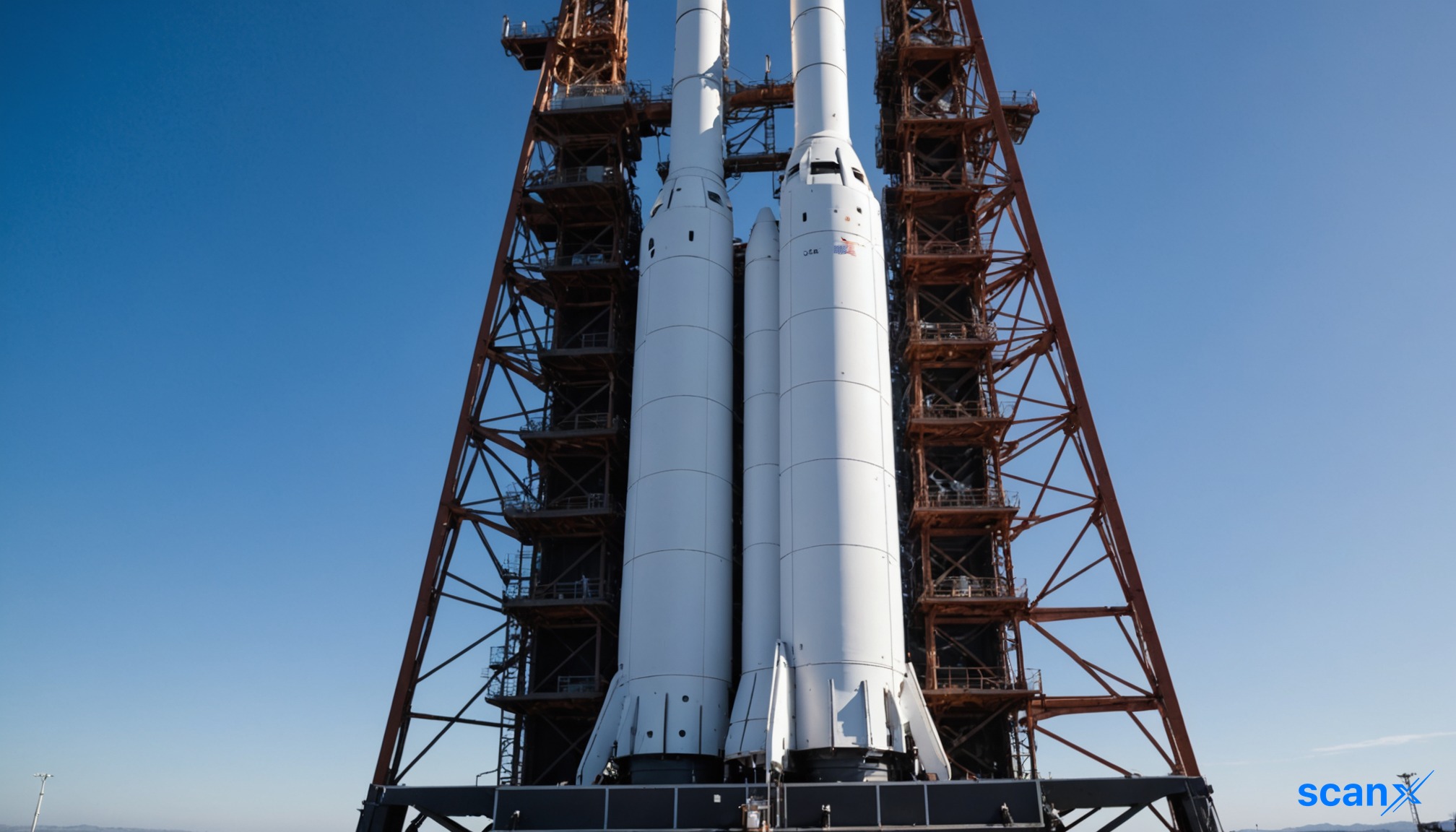

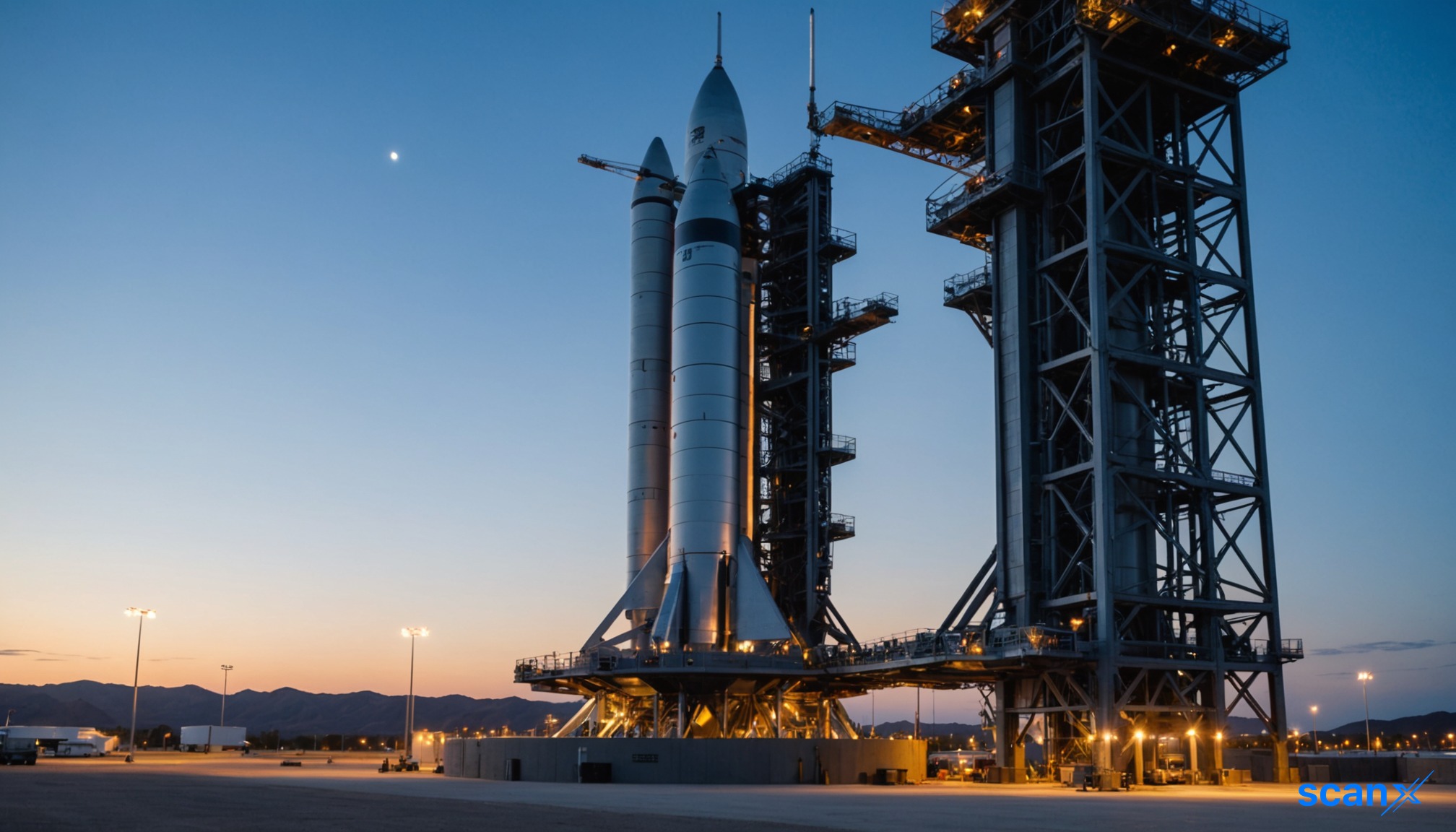
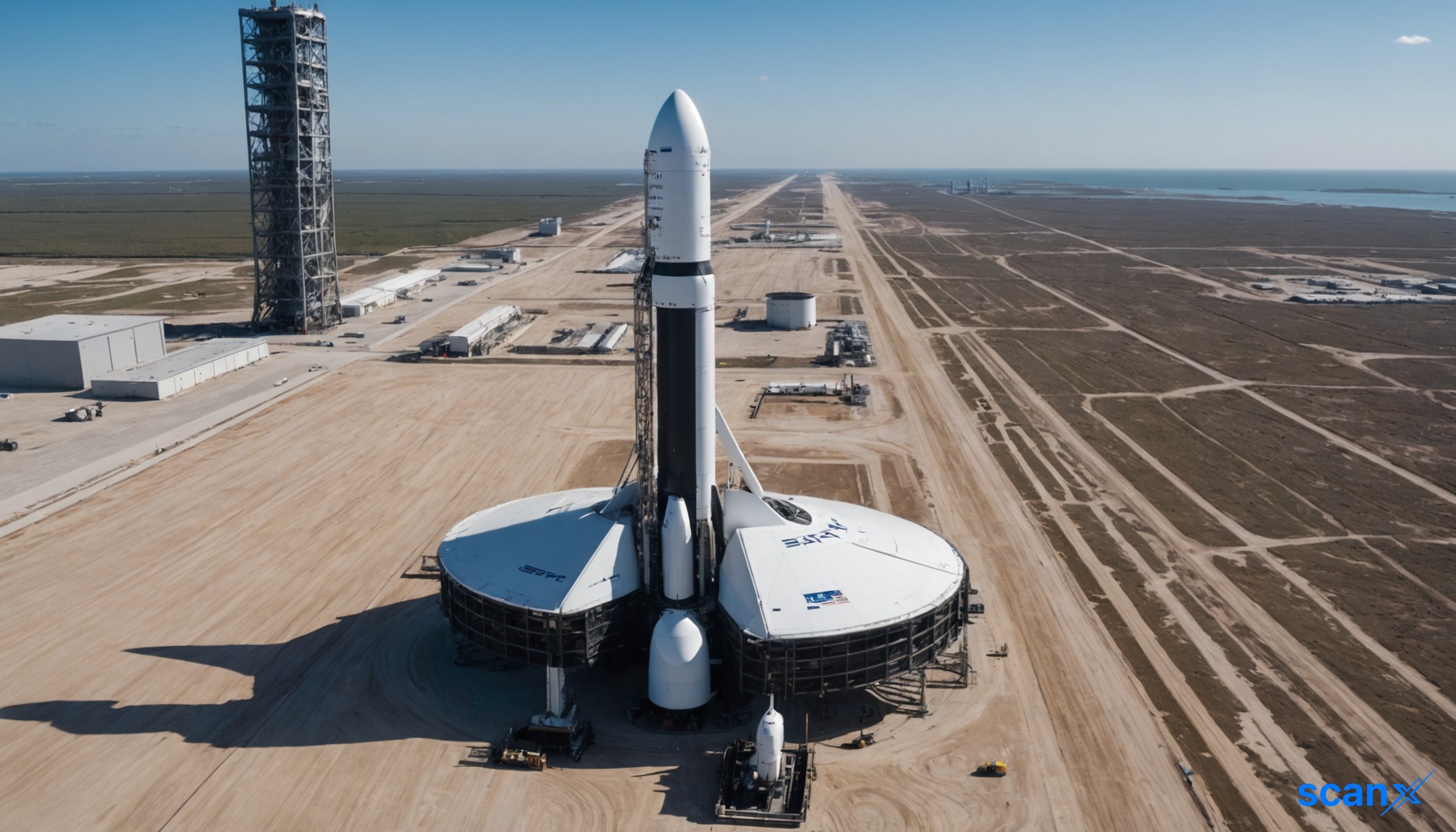
*this image is generated using AI for illustrative purposes only.
Space Exploration Technologies Corp. (NASDAQ: SPCX) shares jumped 7.21% to $158.75 on Friday, fueled by the completion of an ambitious triple-launch schedule. The rally follows SpaceX’s successful execution of three distinct missions within a single 13-hour window on Thursday, including Google’s first orbital AI experiment.
The launch streak included NASA’s Crew-13 mission, which achieved the fastest-ever American spacecraft trip to the International Space Station, and Starship Flight 14, the first time the giant rocket reached orbit with production satellites. Analysts view this sustained activity as a validation of SpaceX’s ability to scale both human spaceflight and heavy-lift commercial deployments simultaneously.
Triple-launch window and operational milestones
SpaceX packed three separate launches into a single 13-hour stretch Thursday. One sent four astronauts toward the space station as part of NASA’s Crew-13 mission. Another, Transporter-18, scattered 130 different payloads into low-Earth orbit on behalf of various customers. A third carried a classified National Reconnaissance Office payload, NROL-97, into space aboard a Falcon Heavy rocket. This was the first NRO payload to fly aboard Falcon Heavy.
Records confirm both Transporter-18 and NROL-97 flew successfully, with Transporter-18 lifting off October 1 from California and NROL-97 following a day later from Florida. Up next, SpaceX plans to launch a Falcon 9 from California on October 5 carrying a payload for the Space Development Agency’s fourth Tranche 1 batch.
Google tests orbital AI computing
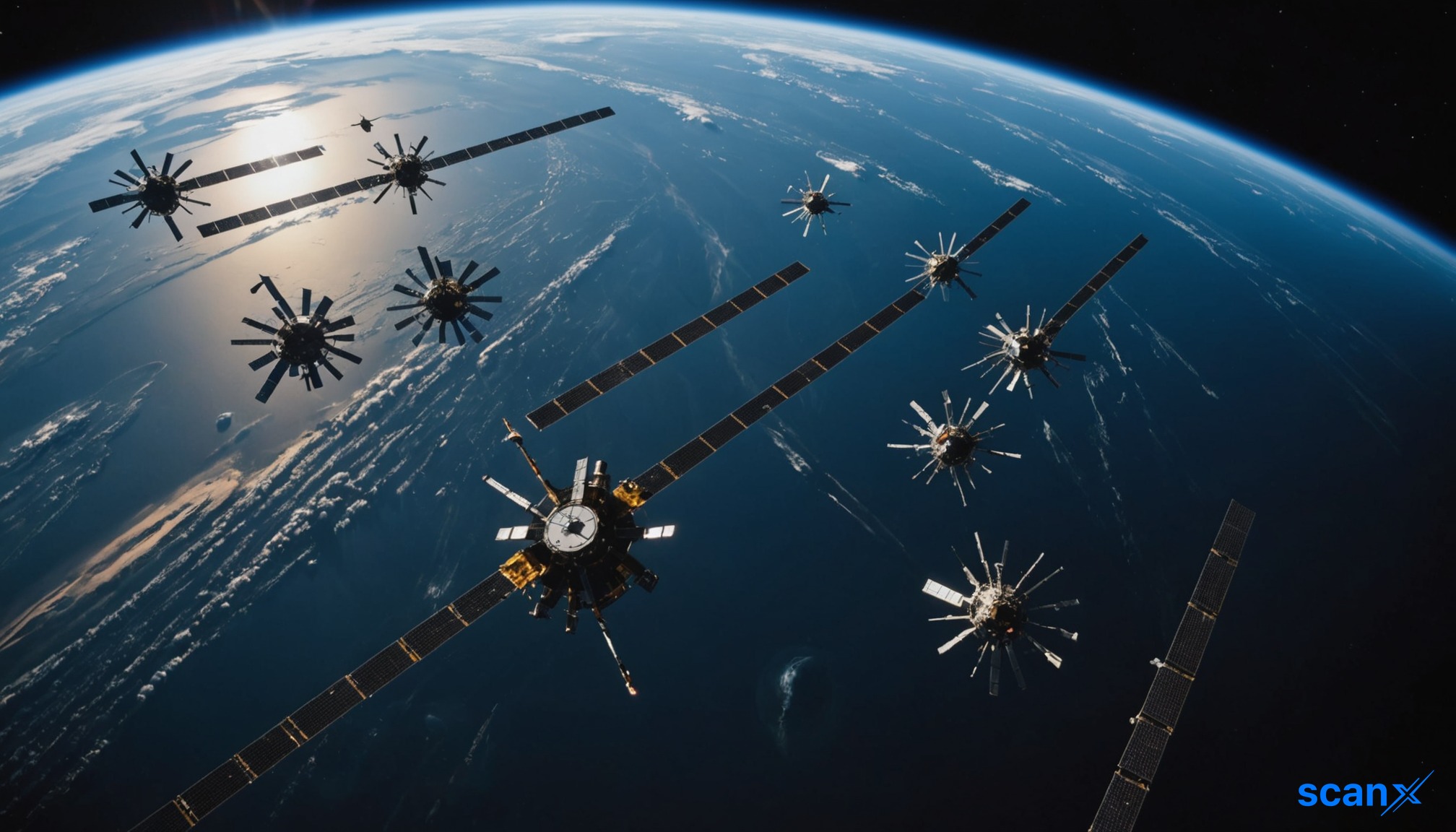
Among Transporter-18’s payloads was a prototype satellite for Project Suncatcher, an orbital AI experiment from Alphabet Inc. (NASDAQ: GOOGL). Google is testing whether the chips used to run AI systems can eventually operate at scale in orbit. The company said Thursday it had made contact with the satellite and that it was operating as expected.
The mission will test how four of Google’s Tensor Processing Units, its in-house AI chips, handle launch, radiation and extreme temperatures in space. SpaceX is pursuing the same opportunity itself. Elon Musk said this week that SpaceX’s planned Starmind satellites could eventually carry more than 250 kilowatts of solar power, more than the International Space Station. SpaceX is also working with Nvidia Corp. (NASDAQ: NVDA) on an optimized version of Nvidia’s Vera Rubin AI hardware.
That could give SpaceX two ways to benefit if orbital computing takes off: launching other companies’ hardware and operating AI infrastructure of its own. However, prediction-market traders remain unconvinced that orbital data centers are close. Kalshi traders put the chance of a one-megawatt data center going live in orbit before 2035 at 36%.
Crew-13 sets docking record
The four-person Crew-13 team made it inside the space station early Friday, floating through the hatch roughly 25 minutes after it opened between the outpost and their Dragon capsule, named Grace, at 9:43 pm EDT Thursday. Crew-13 docked with the station just 7 hours and 55 minutes after liftoff, the fastest trip any American spacecraft has ever made to reach the ISS.
NASA astronaut Jessica Watkins, who commands the mission, spoke during the welcome ceremony that followed, saying, "It is hard to believe that we're already here, but we are super glad to be here. We are happy to join you guys and get to work as soon as possible."
Starship orbital insertion and satellite deployment
This stretch of launches built on Monday’s Starship Flight 14 mission out of Starbase, Texas, the first time the giant rocket actually reached orbit and carried something useful there, namely 26 production Starlink V3 satellites. Despite an engine failure that briefly appeared to derail the mission, the vehicle pressed on, released its satellite payload, and brought itself back down into the Pacific Ocean under control.
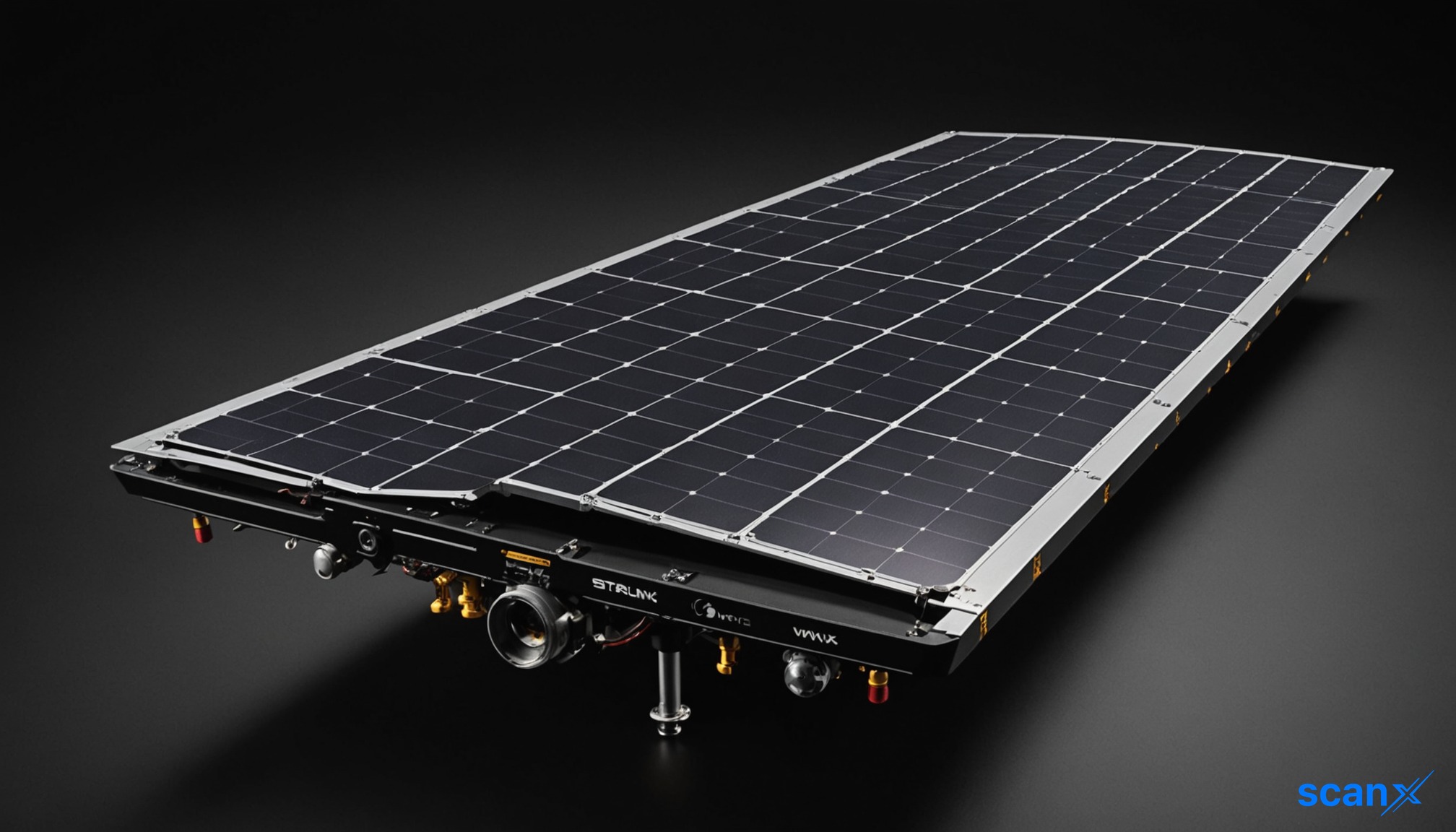
SpaceX states each V3 satellite provides about 1 terabit per second of downlink capacity, meaning this batch could eventually add roughly 26 Tbps to the network. Munster noted that Starlink speeds should roughly quadruple with the V3 satellites, with average download speeds rising from about 150 Mbps to about 600 Mbps. A mature vehicle could carry as many as 60 V3 satellites in one mission, adding more than 20 times the network capacity of a Falcon 9 Starlink launch.
Reusability concerns and market reaction
Reusability remains central to SpaceX’s economic advantage. Pivotal Research analyst Jeffrey Wlodarczak noted this month that SpaceX’s roughly $2 trillion investment case “rests almost entirely” on solving Starship reusability. Polymarket traders put the chance of a successful splashdown at about 86% Monday morning.
Andrew Bonwick, VP of product development and innovation at specialty insurer Relm Insurance, told Benzinga that the "really big thing" is getting the second stage reusable on a timeline that makes it commercially viable. Bonwick described Starship as "still a science experiment," noting that while he is convinced Elon Musk will achieve reusability, it is not there yet. He suggested external customers with high-value payloads might want to see around "10 successful launches in a row" before trusting Starship, leaving Falcon 9 as the safer option for now. Bonwick also stated this week that AI in space was likely "overestimated," saying a one-megawatt orbital data center was plausible but deployment at scale was another matter.
Prior to this milestone, SpaceX leveraged ETFs had faced pressure. Defiance Daily Target 2X Long SpaceX ETF (BATS: SPCU) and ProShares Ultra SpaceX (NYSE: SPCF) had declined over 6% in the preceding week amid broader stock weakness. This volatility coincided with a $52.55 million share sale by President and COO Gwynne Shotwell, executed under a Rule 10b5-1 trading plan.
| Metric | Value | Context |
|---|---|---|
| Share Price Change | +7.21% | Closed at $158.75 |
| Crew-13 Docking Time | 7h 55m | Fastest US record |
| Transporter-18 Payloads | 130 | Low-Earth orbit deployment |
| Starship Satellites | 26 | Production Starlink V3 |
| Added Capacity | ~26 Tbps | Estimated downlink |
| Max Payload (Future) | 60 | V3 satellites per mission |
| Splashdown Odds | 86% | Polymarket prediction |
| Orbital Data Center Odds | 36% | Kalshi prediction for pre-2035 |
| Starmind Power Cap | >250 kW | Solar power per satellite |
What the numbers show
The combination of a record-breaking crewed mission and the first orbital Starship flight demonstrates SpaceX’s ability to manage high-frequency operations across different vehicle classes. While the 7.21% share gain reflects immediate market approval of the triple-launch success, the underlying tension remains between operational capability and reusability economics. The transition from suborbital tests to orbital insertion with payload deployment shifts Starship from a development project to a revenue-generating asset, yet insurer Relm’s caution regarding reusability timelines suggests that the full economic benefit remains contingent on successful return-to-earth operations.
The inclusion of Google’s Project Suncatcher alongside traditional payloads highlights a strategic pivot toward dual-use infrastructure. While Kalshi traders assign only a 36% probability to orbital data centers before 2035, Musk’s claim that Starmind satellites could exceed 250 kilowatts of power suggests SpaceX is positioning itself to capture value from both launch services and potential future AI hosting. The divergence between high operational success rates (such as the 86% splashdown odds) and lower market confidence in long-term orbital computing adoption indicates that investors currently value SpaceX primarily for its transport capabilities rather than its nascent space-based compute ambitions.

How will the successful orbital insertion of Starlink V3 satellites impact SpaceX's timeline for achieving commercial viability with Starship reusability?
What are the projected revenue implications for SpaceX if Google's Project Suncatcher proves that Tensor Processing Units can withstand long-term orbital radiation and thermal stress?
Will the 36% market probability of pre-2035 orbital data centers constrain SpaceX's ability to secure external investment for its Starmind satellite infrastructure?
 20




 Access Market Heat-map & Insights
 Create, Save & Share your Screener
 Use 200+ Screening Filters





